
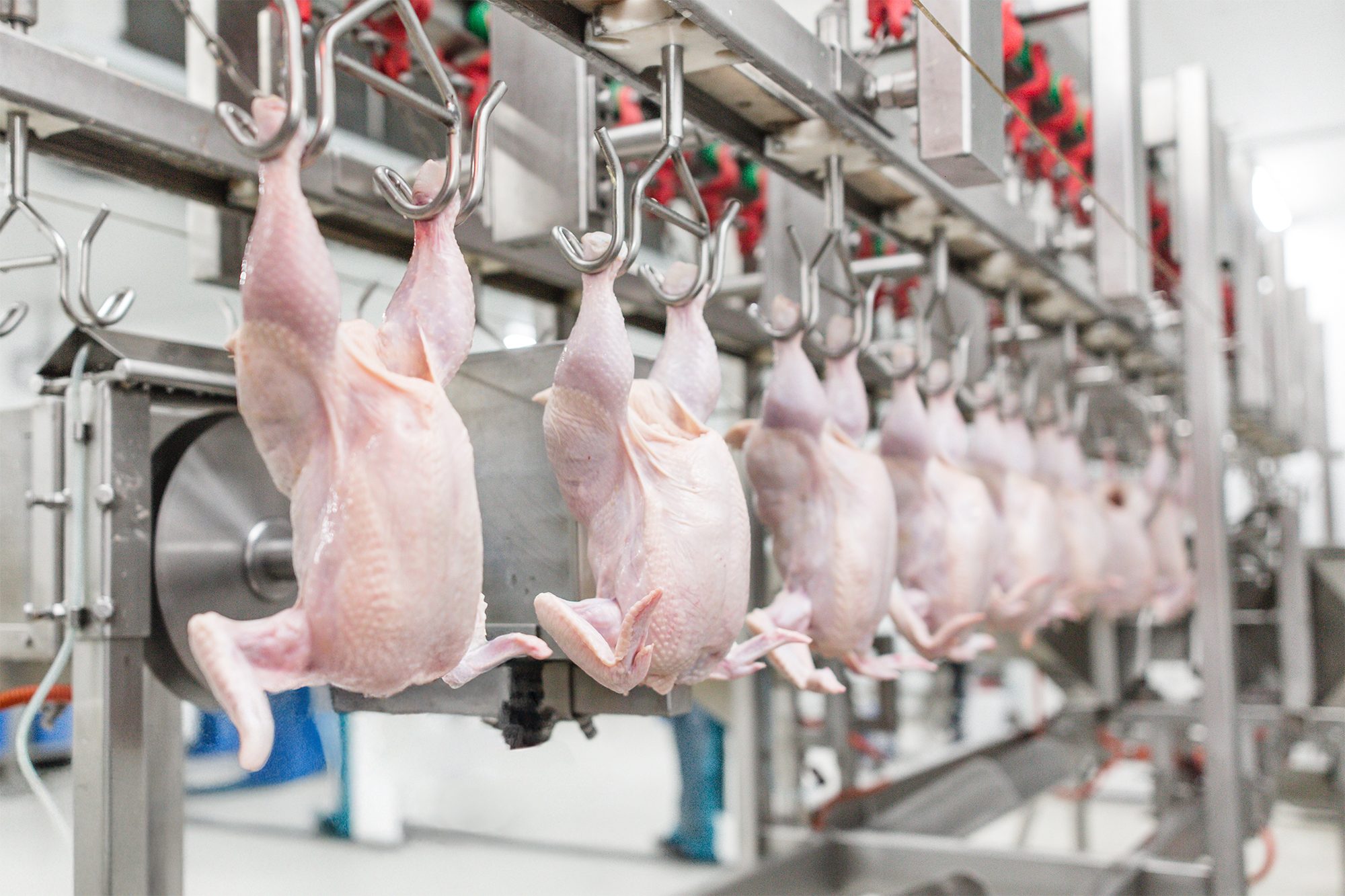
How to Detect Foreign Objects and Defects in Poultry Processing at Line Speed
At 175 birds per minute, human inspectors have only 0.34 seconds to identify each defect—here’s why that’s beyond human capability and how top poultry processors are addressing the challenge.
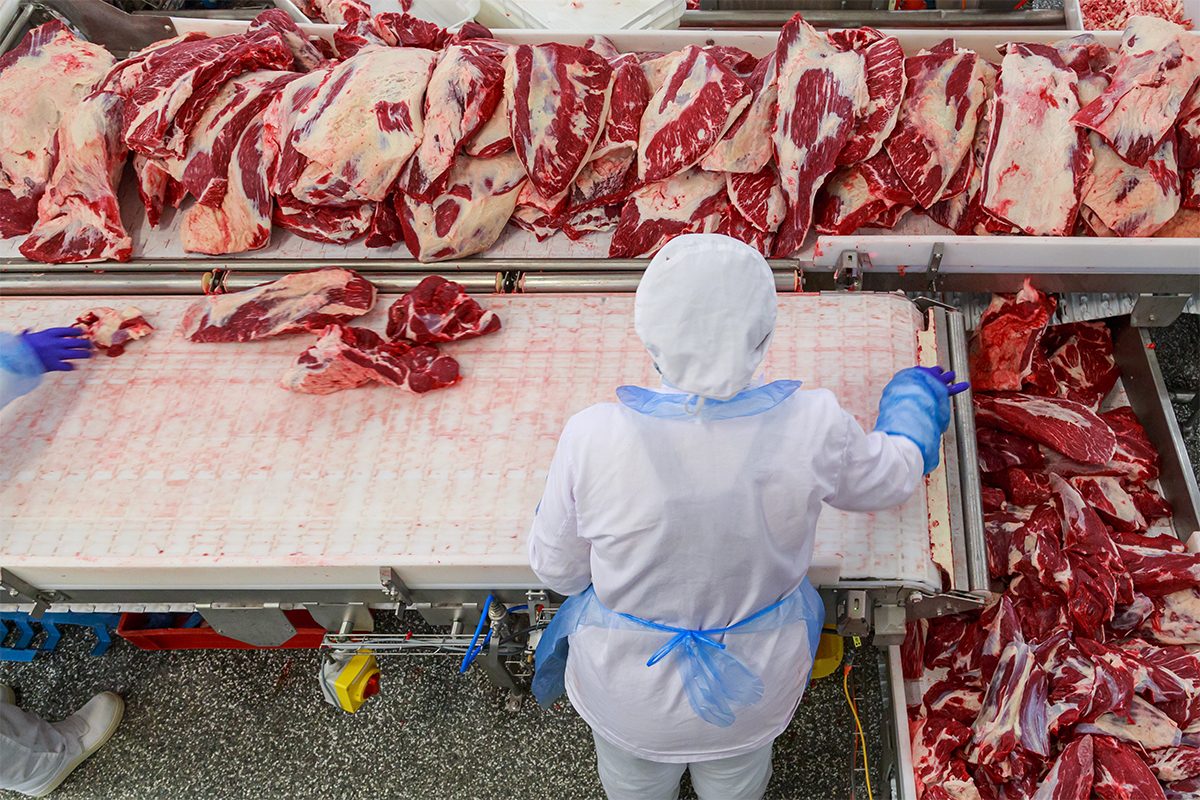
3 Steps to a 1.5% Meat Processing Yield Improvement
A steady 1–1.5% meat processing yield improvement can mean the difference between a narrow quarter and a profitable one. In facilities operating on thin margins, incremental gains accumulate rapidly.
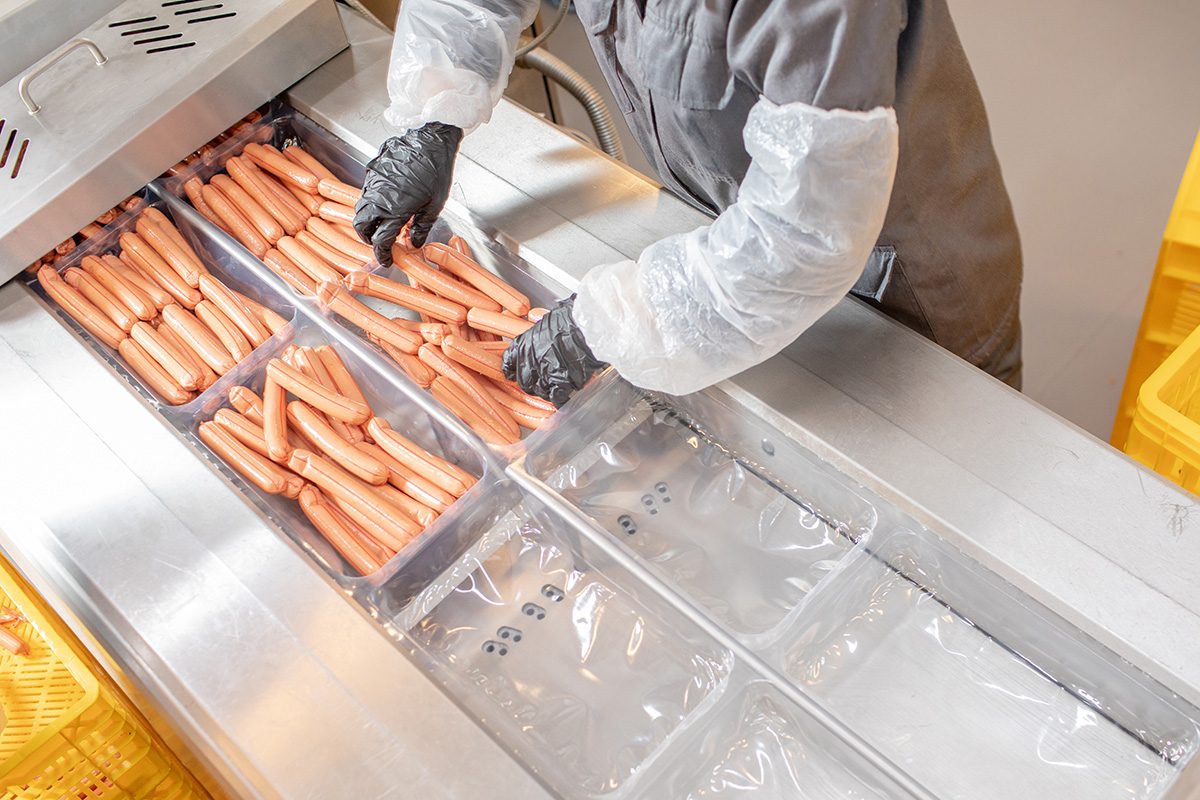
Improve Quality Control in the Food Industry and Strengthen FSQA Compliance
In contemporary food production, quality control serves as the benchmark for safe, uniform, high-quality output. As supply chains expand and consumer expectations increase, teams require systems that provide transparency, traceability, and speed from raw materials to the shelf.
This article covers Food Safety and Quality Assurance (FSQA) fundamentals, the difficulty of maintaining consistency, and how AI advances quality control beyond manual visual inspection.
Why Supply Chain Visibility Matters in Today’s Food Production
Maintaining smooth food production lines is more demanding than ever. Late materials, inconsistent suppliers, and narrow delivery windows can disrupt even the most carefully planned schedules. What begins as a minor setback—such as packaging arriving behind schedule—can rapidly result in waste, rework, or additional labor. In fact, approximately 30% of all food produced for human consumption is wasted or lost throughout the supply chain.
How Poultry Production Varies Across the Globe
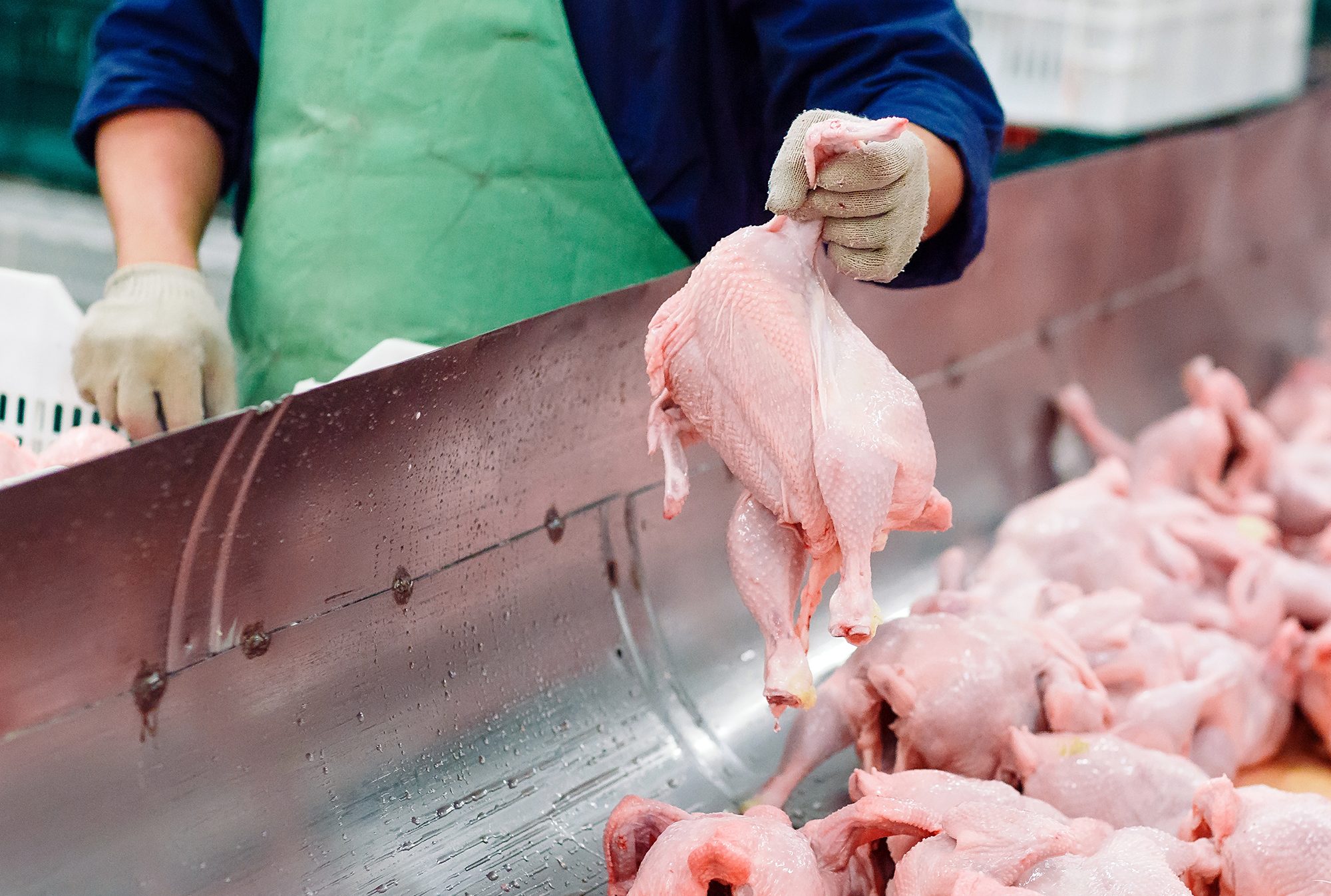
Poultry production varies across every region of the globe, influenced by culture, technology, and regulatory frameworks. From advanced facilities in North America to smaller-scale operations in Asia and Africa, regional methods affect everything from yield to food safety.

How Food Processors Can Increase Throughput and Maximize Efficiency
For food processors, throughput equals profit. The capacity to handle more heads per hour, pounds per minute, or cuts per second without sacrificing quality has a direct effect on profitability. Yet bottlenecks, human error, equipment downtime, and quality control challenges can reduce production speed, driving up costs and lowering yield.
How to Safeguard Against Food Production Staffing Challenges
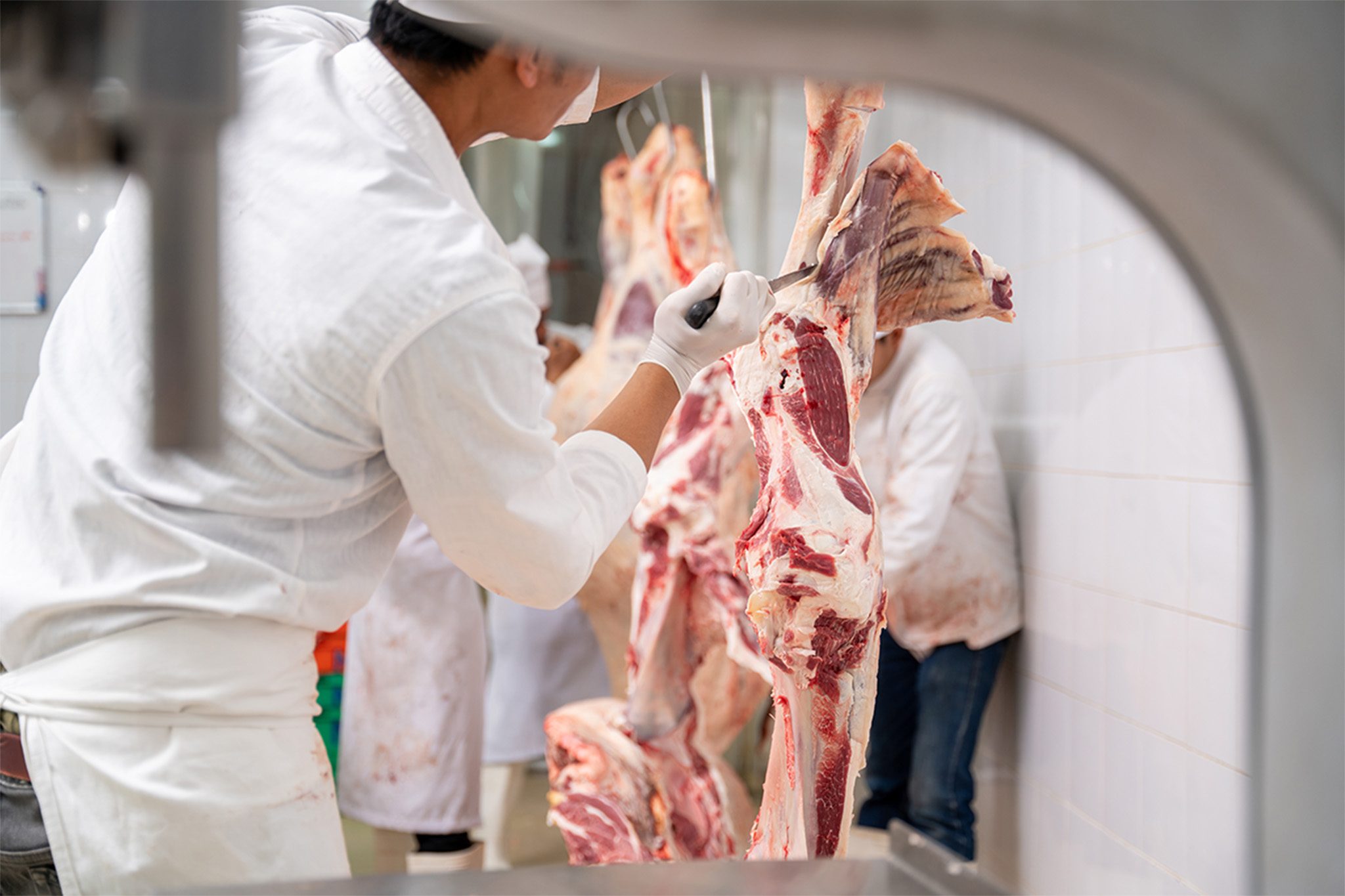
In today’s rapid food production environment, staffing difficulties are more than an inconvenience—they can directly affect productivity, quality, and safety. Amid labor shortages, elevated turnover rates, and growing demands on production lines, managers must adopt comprehensive strategies that maintain seamless operations and effective workforce management.
Methods of Beef Production Across the Globe
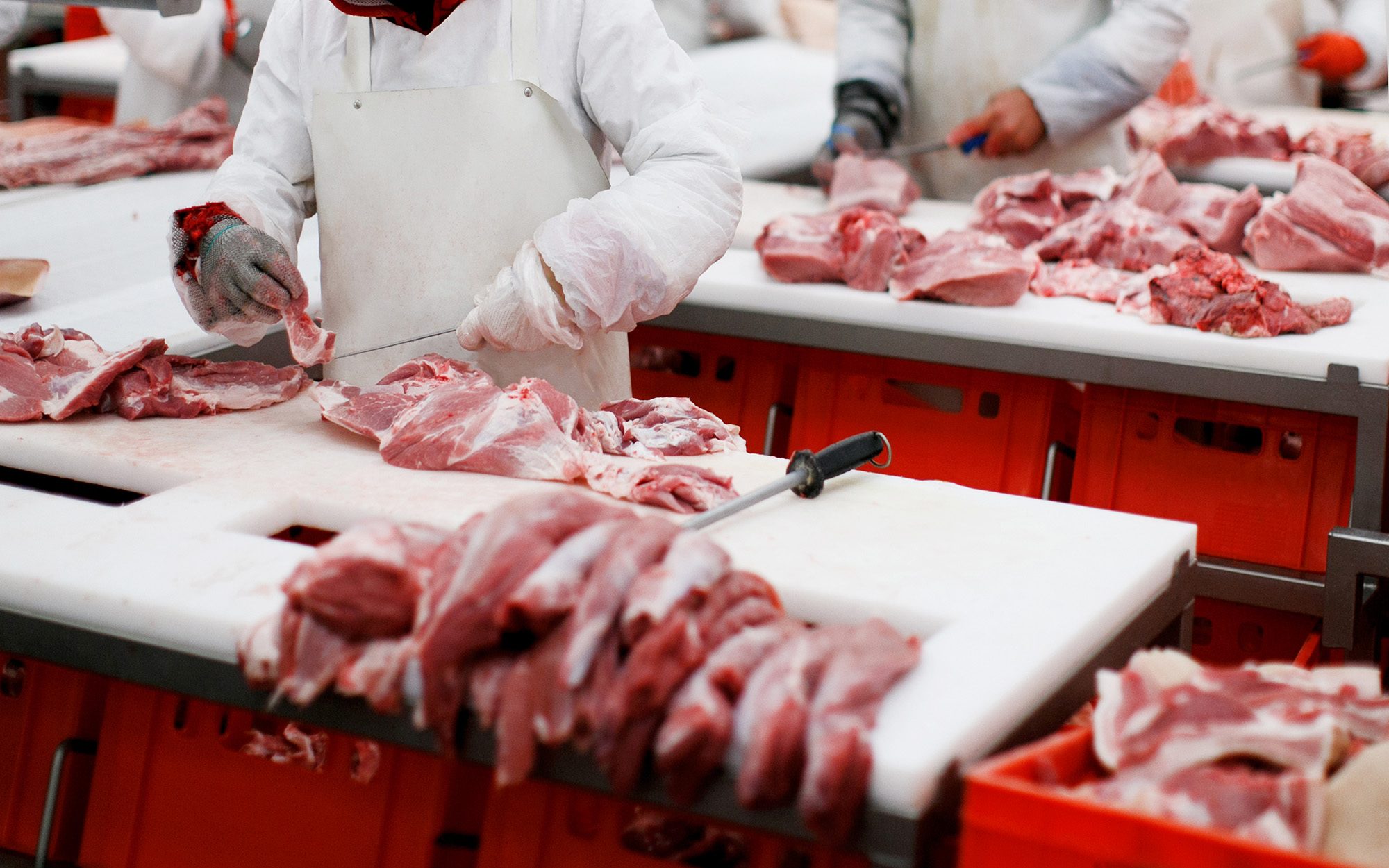
Beef has long been a staple in diets across the globe, and every region has cultivated its own methods for raising, processing, and distributing it. Discover how beef production varies worldwide and how technological innovations are enabling the industry to address both global and regional challenges.

Critical Human Errors in the Food Production Industry
The food production industry is an intricate network of processes where even a small mistake can result in significant consequences. Every stage demands precision to ensure uniform product quality while maintaining efficiency and safety. Despite strict protocols, human errors remain a persistent challenge affecting profitability, safety, and reputation – and according to the Annals of Operations Research, human error accounts for 10.9% of all food waste. Below, explore frequent human errors in the food industry, their consequences, and approaches to reduce them.

Revolutionizing Sustainable Food Production with Food Technology and Quality Control
In the current landscape, sustainable food production has become an urgent priority. As global populations expand, rising food demand places enormous strain on our food systems. By harnessing food technology and quality control tools such as AI and computer vision, the food industry can lessen its environmental footprint and build a more efficient and sustainable future.
5 Proven Strategies to Streamline Poultry Processing Lines
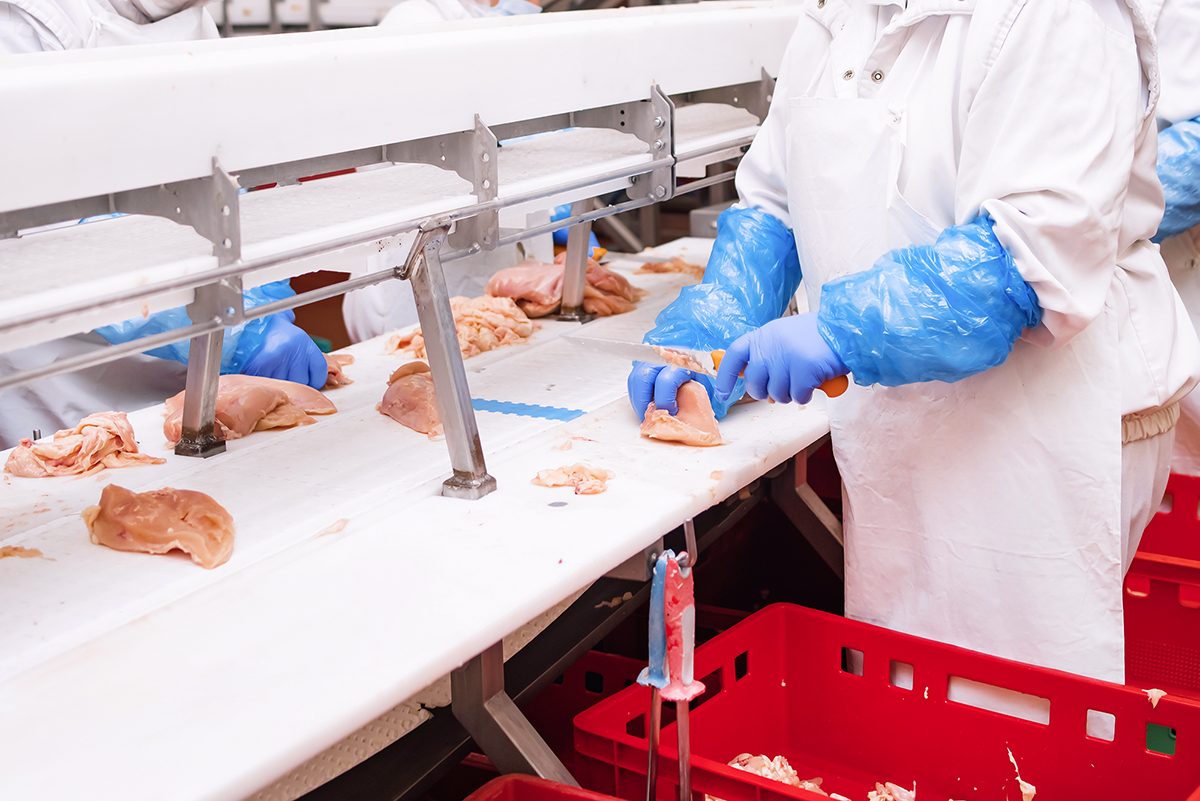
In 2020, poultry production accounted for nearly 40% of global meat output. Operational efficiency is essential for sustaining profitability, preserving product quality, and meeting demand in the competitive poultry sector. Optimized processes can meaningfully boost yield, minimize waste, and elevate overall operational performance. Poultry processors can leverage proven strategies including automated quality scans, standardized trimming procedures, strategic production scheduling, by-product allocation, and visual management to enhance efficiency and strengthen their bottom line.
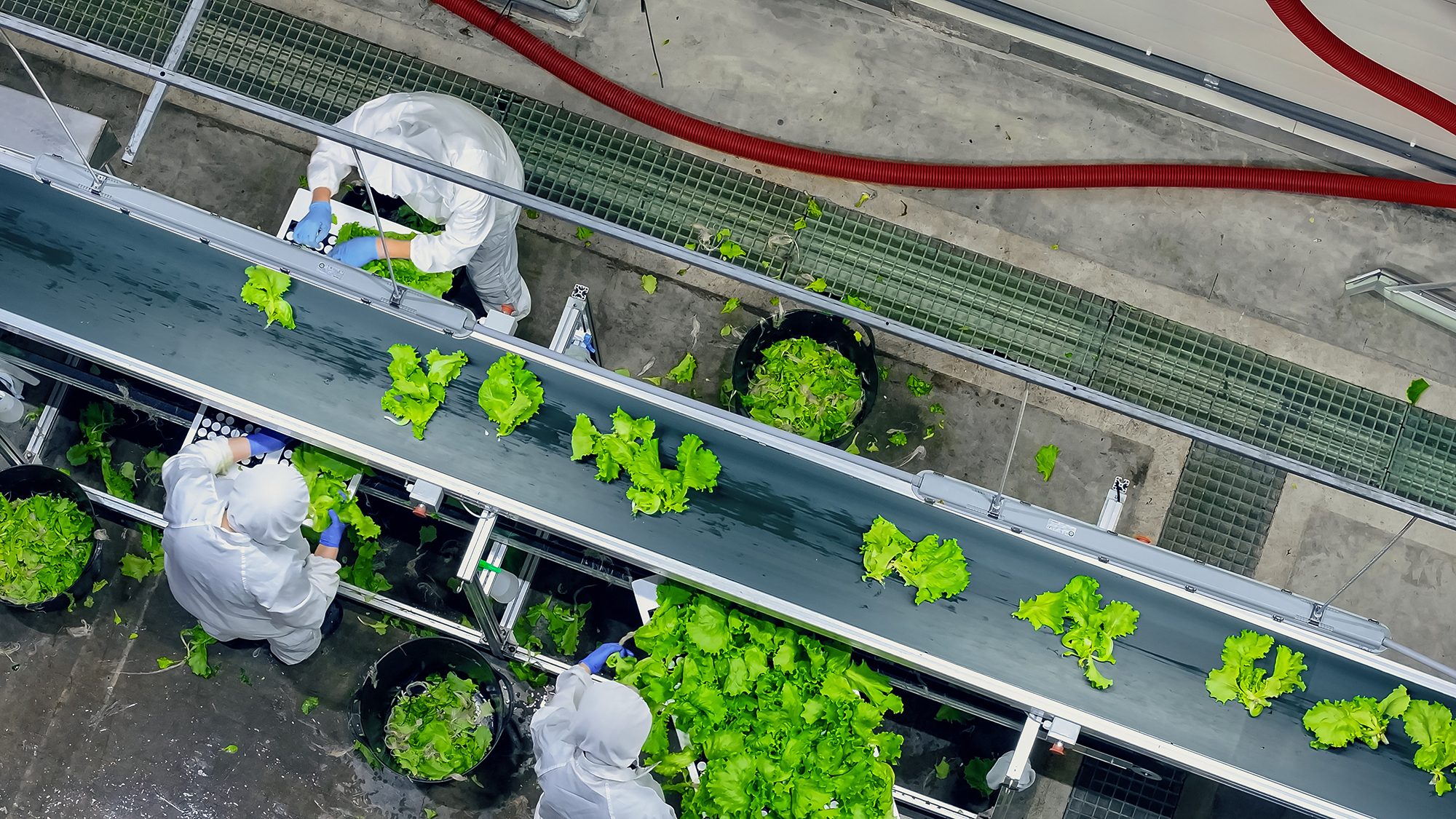
AI in Food Industry Operations: Transforming Farming, Production, and Retail
Artificial Intelligence (AI) is transforming operations across numerous industries, and the food sector is leveraging it to propel meaningful change. From streamlining production processes to improving consumer experiences, AI in food industry applications is reshaping how food is produced, processed, transported, and consumed.
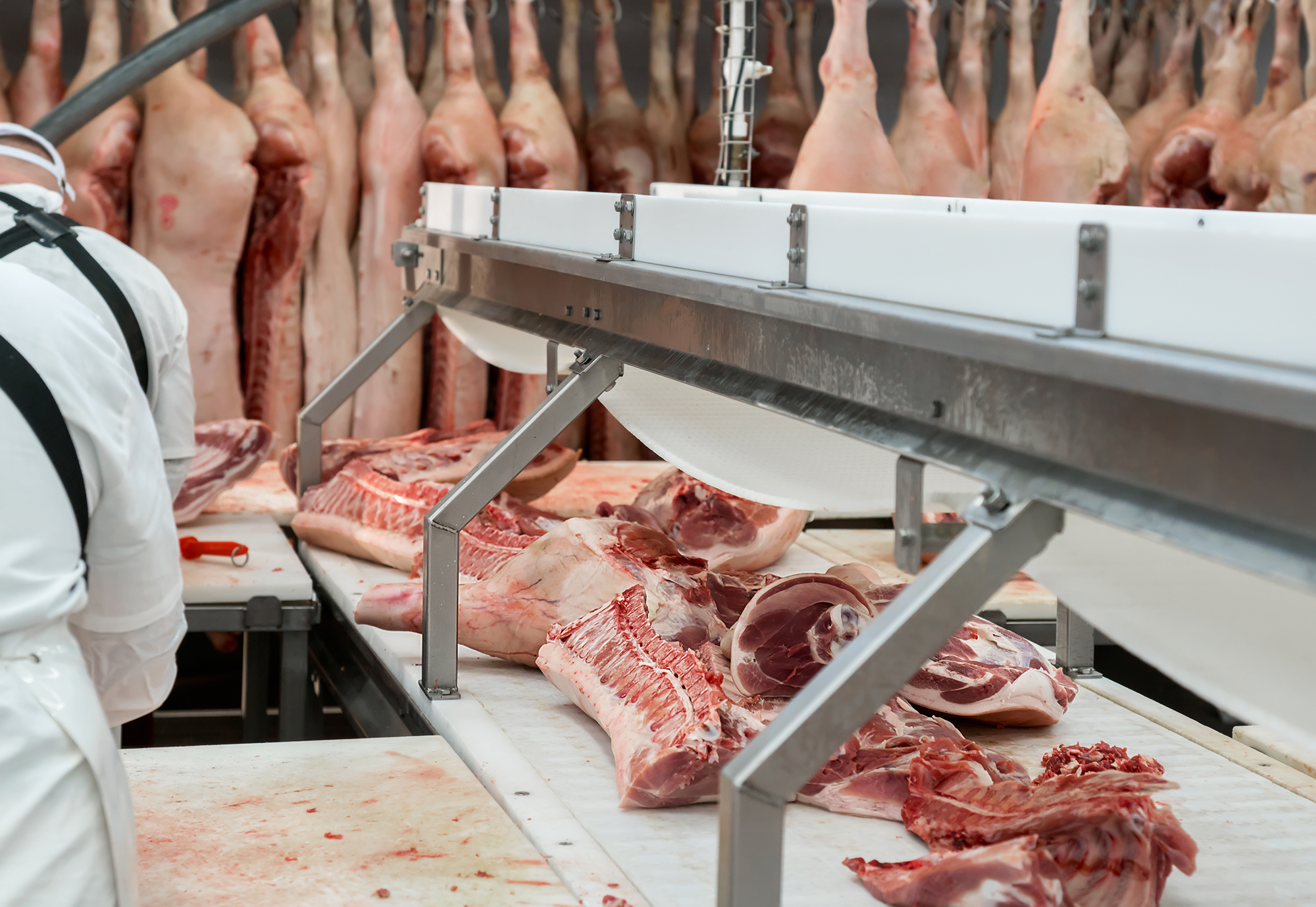
Cutting Losses: Strategies for Reducing Yield Loss in Pork Processing
In the fiercely competitive pork processing industry, yield—the proportion of usable product derived from raw material—is a vital metric that directly influences profitability. Pork processors frequently encounter challenges that can lead to considerable yield loss, impacting their financial performance.

Maximizing Yield: The Role of AI in Food Quality Control
The demand for robust food quality control measures in the food processing industry is greater than ever. Issues such as imprecise processing, overproduction, and diverse quality problems contribute to substantial food waste, resulting in both economic losses and environmental damage.
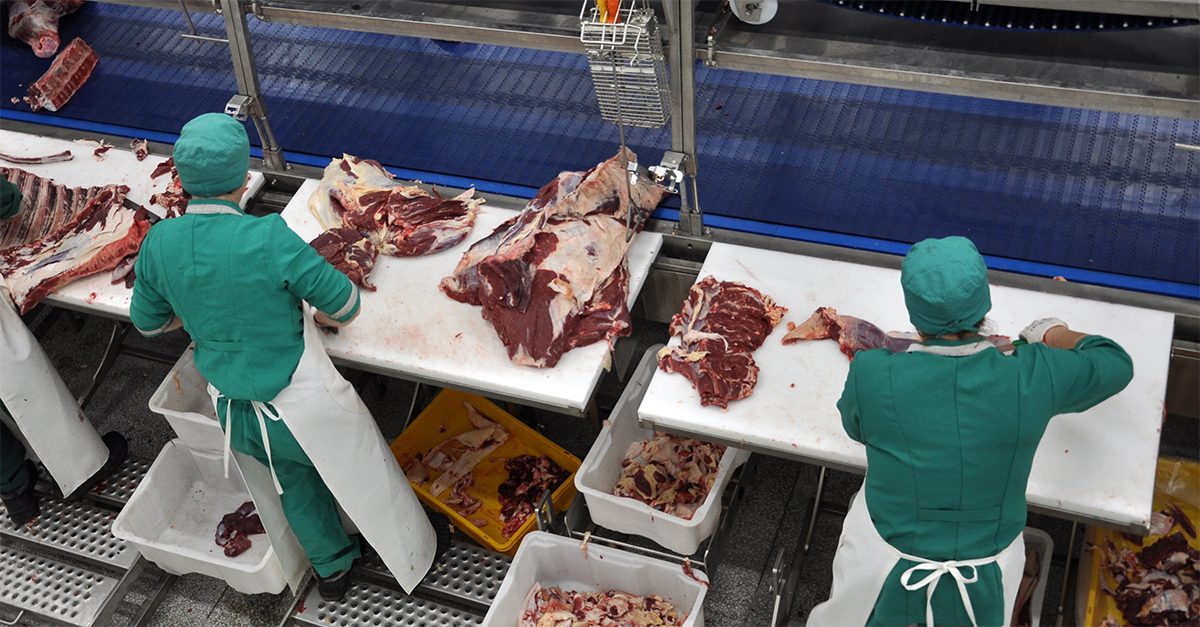
How AI is Transforming the Meat Industry
Artificial Intelligence carries significant implications for cost reduction, operational efficiency, and decision-making in fast-paced, manual processes such as meat production.
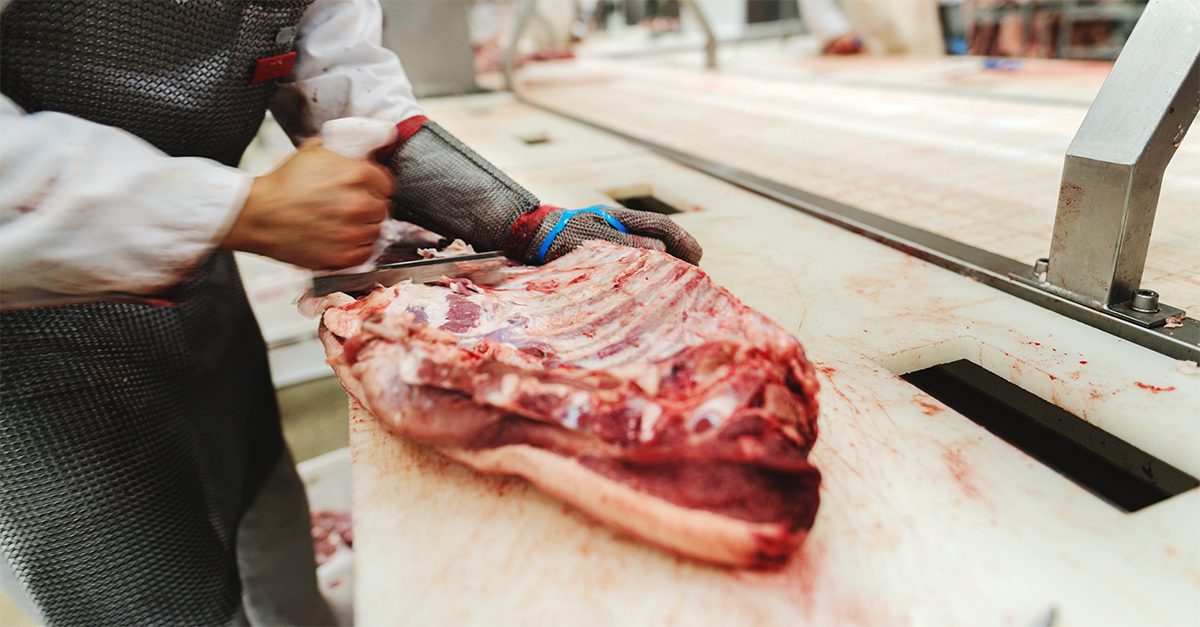
How American Beef Processors Maximize Throughput
Meat processing techniques differ across various regions, influencing how butchers carry out their work and the speed and precision with which the product is handled.

Delicacy or Disgusting? Beef’s Most Controversial Cut
Rump cap, also referred to as picanha, is a widely favored beef cut in Brazil, prized for its tenderness and robust flavor.
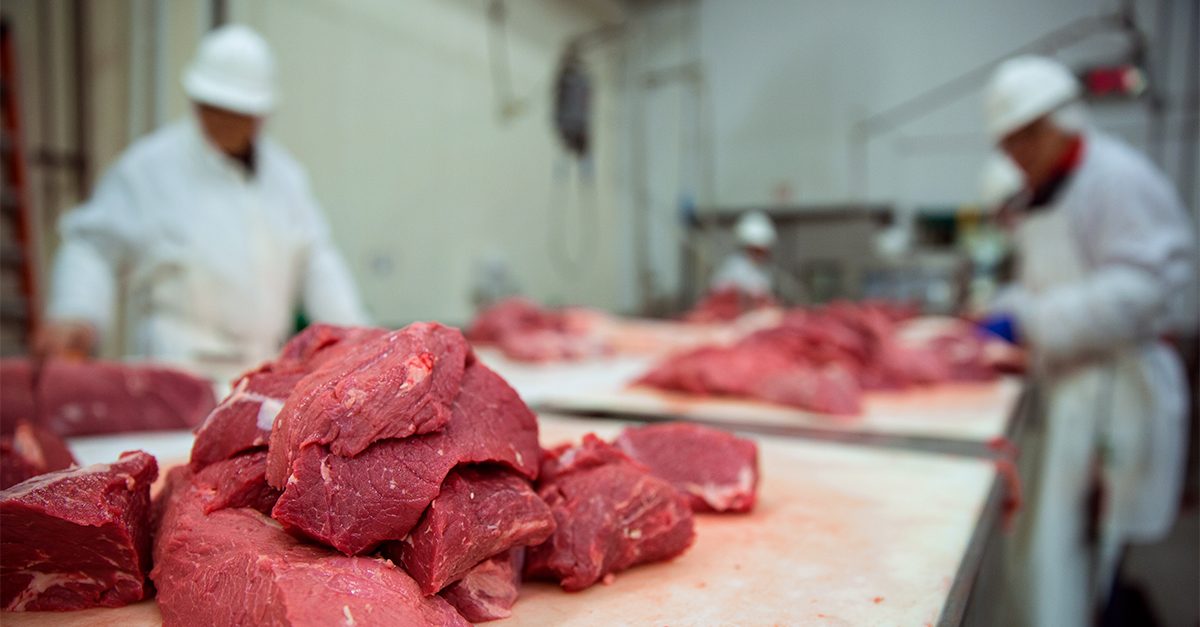
How Does American Meat Processing Differ from the Rest of the World?
Meat processing plants in the United States focus primarily on throughput, meaning the quantity of product that can be handled within a specific timeframe.
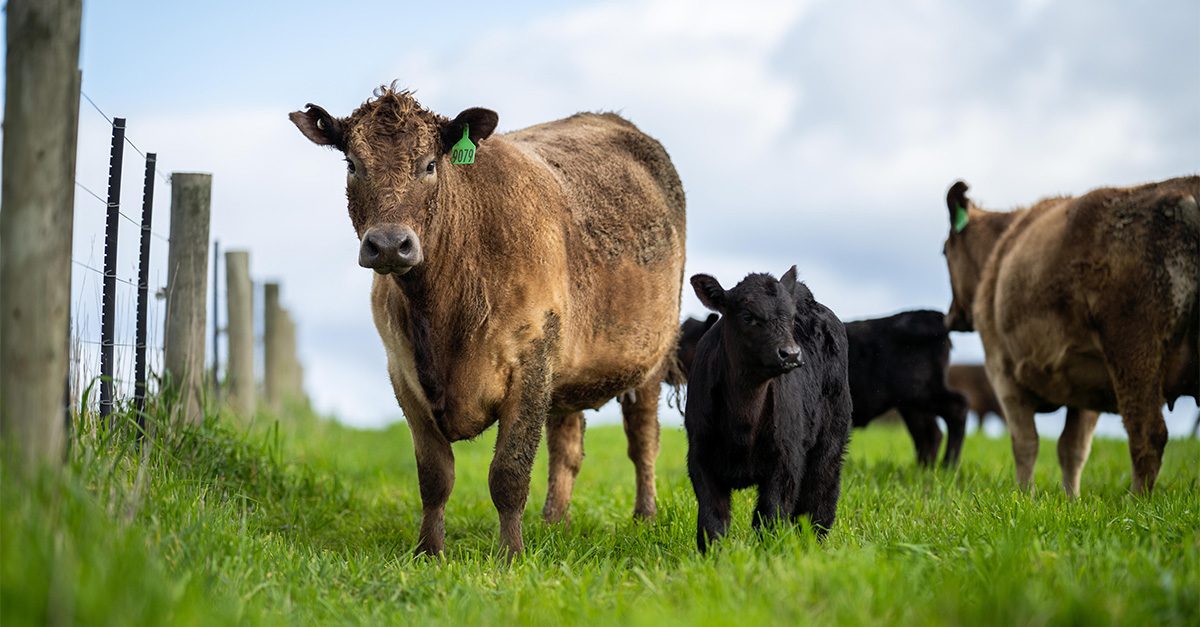
Grass-Fed Beef: Health Benefits, Sustainability, and Animal Welfare
Grass-fed beef has grown increasingly popular in recent years owing to its perceived health advantages and environmental sustainability.
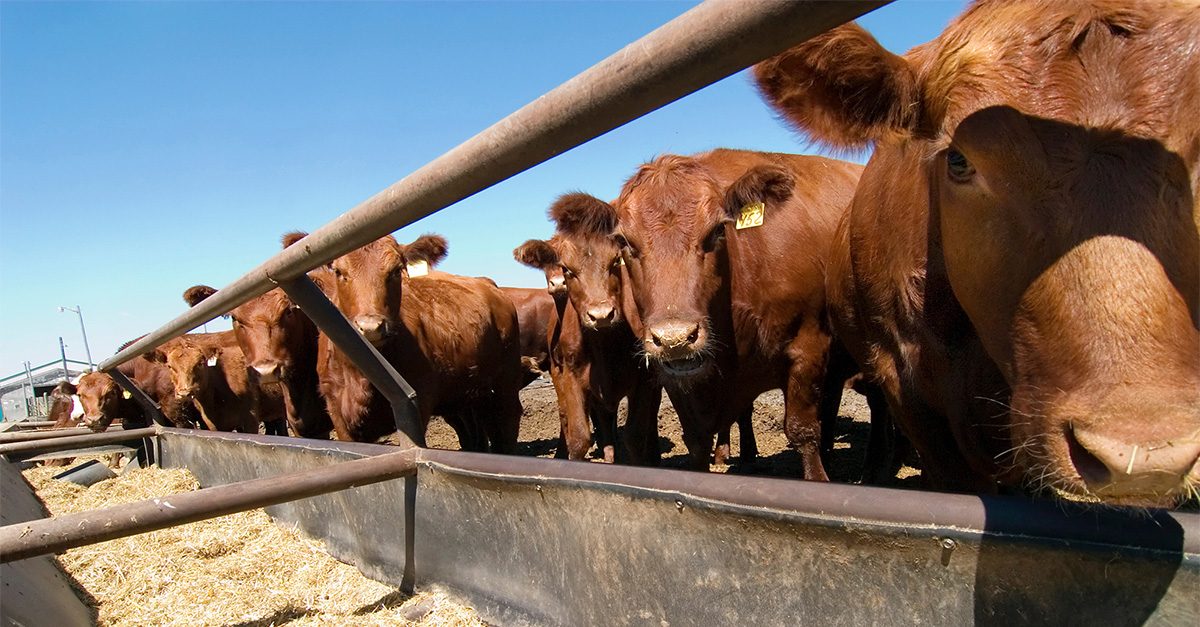
Grain-Finished vs. Grain-Fed Cattle
Grain-finished cattle receive a grain-based diet (such as corn or soybeans) for a shorter duration, typically several months, toward the end of their lives to increase weight and enhance the flavor and tenderness of their meat.
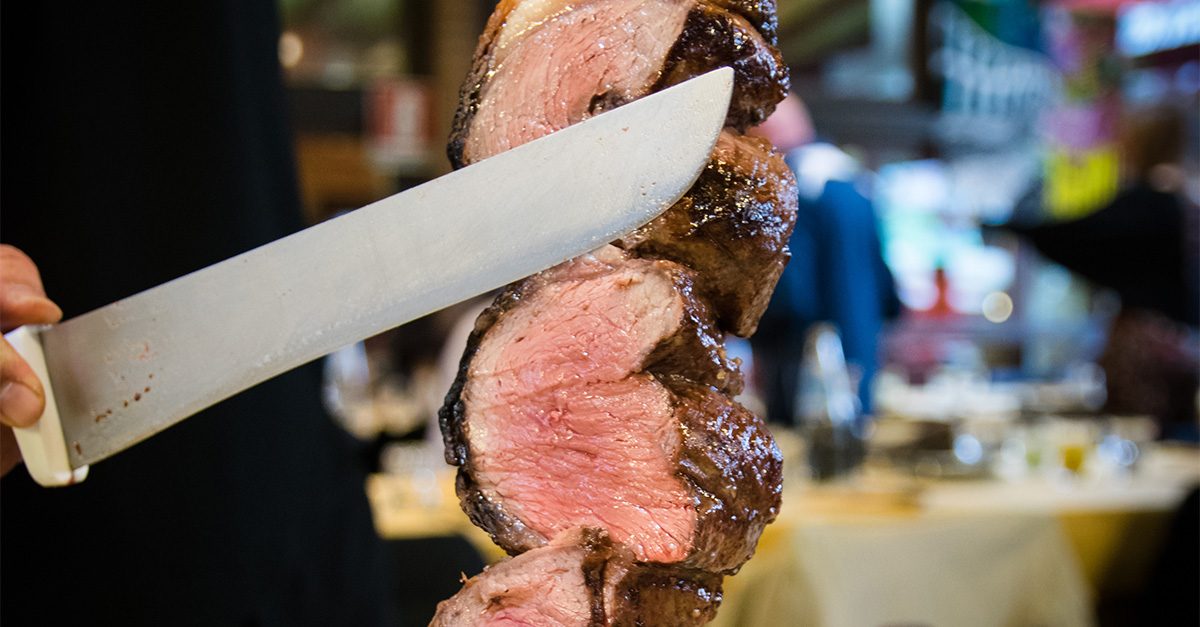
Rump Cap in Brazil: Picanha
Rump cap, also referred to as picanha, is a widely favored beef cut in Brazil, prized for its tenderness and robust flavor.
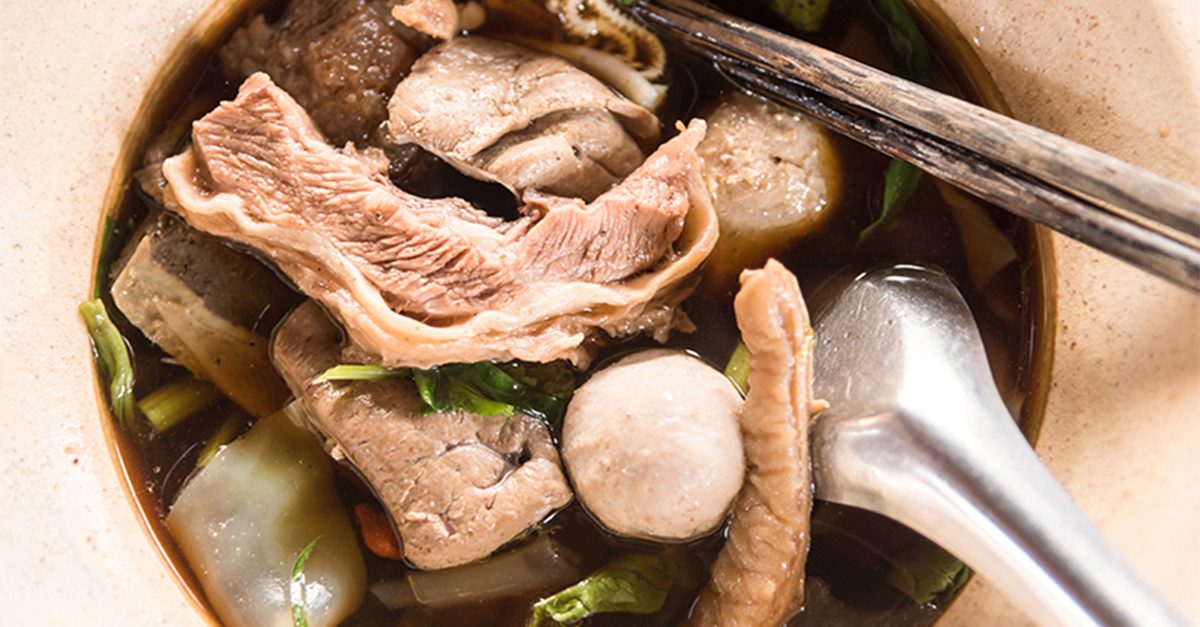
Where Does Ofall Have the Most Value?
In certain cuisines, beef offal serves as a more economical protein source relative to other cuts of meat.

Is Your Third Party Equipment Food Safety Compliant? Cleaning vs. Sanitizing
In food and beverage processing, cleaning and sanitizing are distinct processes that safeguard against product contamination and protect employee safety.
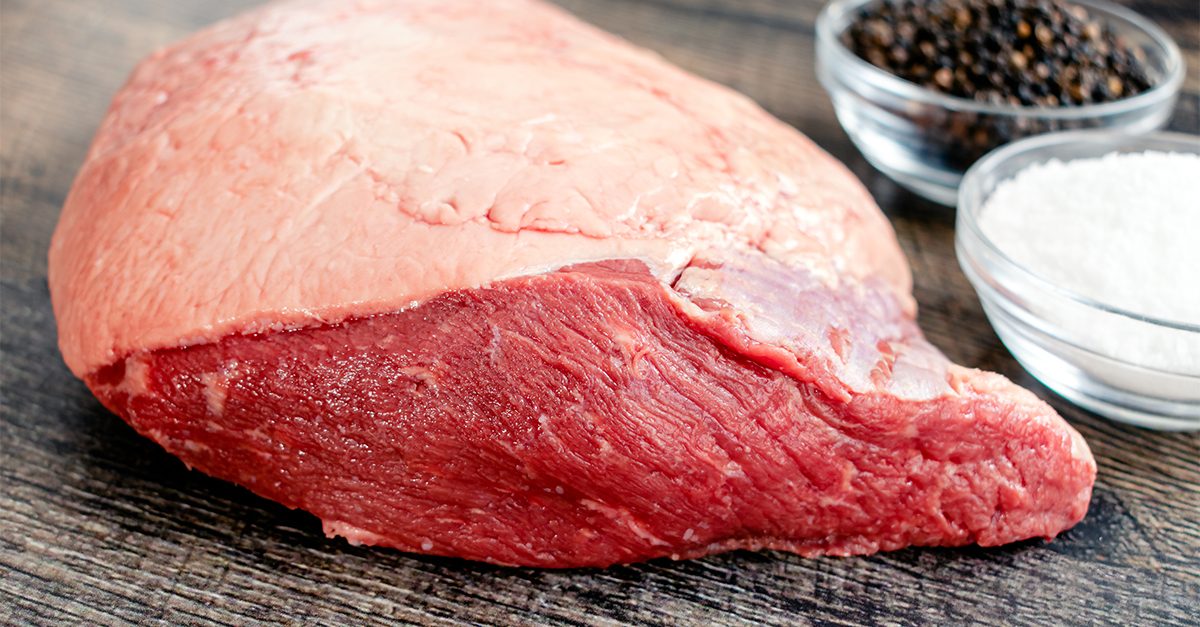
Global Beef Cuts: Rump
In America, rump is generally referred to as the round. It is a muscular beef cut taken from the hindquarters of the cow. It’s a comparatively lean cut that can be tougher than others, yet remains tender when cooked properly.
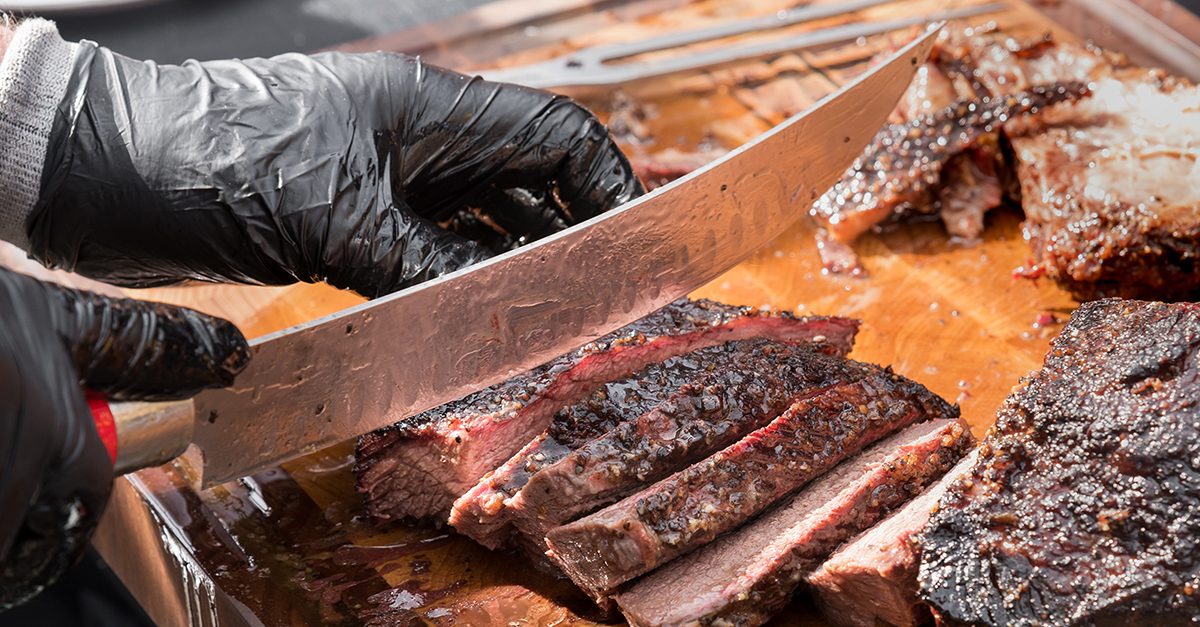
Where Does Brisket Have the Most Value?
In America, brisket is regarded as a premium, high-value cut of meat. It is a sizable portion that can serve a large group, and the popular slow-cooking technique used in barbecue renders the brisket exceptionally tender and flavorful.

Is Your Third Party Equipment Food Safety Compliant? Clean In Place vs. Clean Out of Place
In meat production facilities, equipment and instruments are categorized as either Clean In Place (CIP) or Clean Out of Place (COP).

Is Your Third Party Equipment Food Safety Compliant? Harborage Points
Harborage points refer to any location within equipment that fosters an environment conducive to bacterial growth.
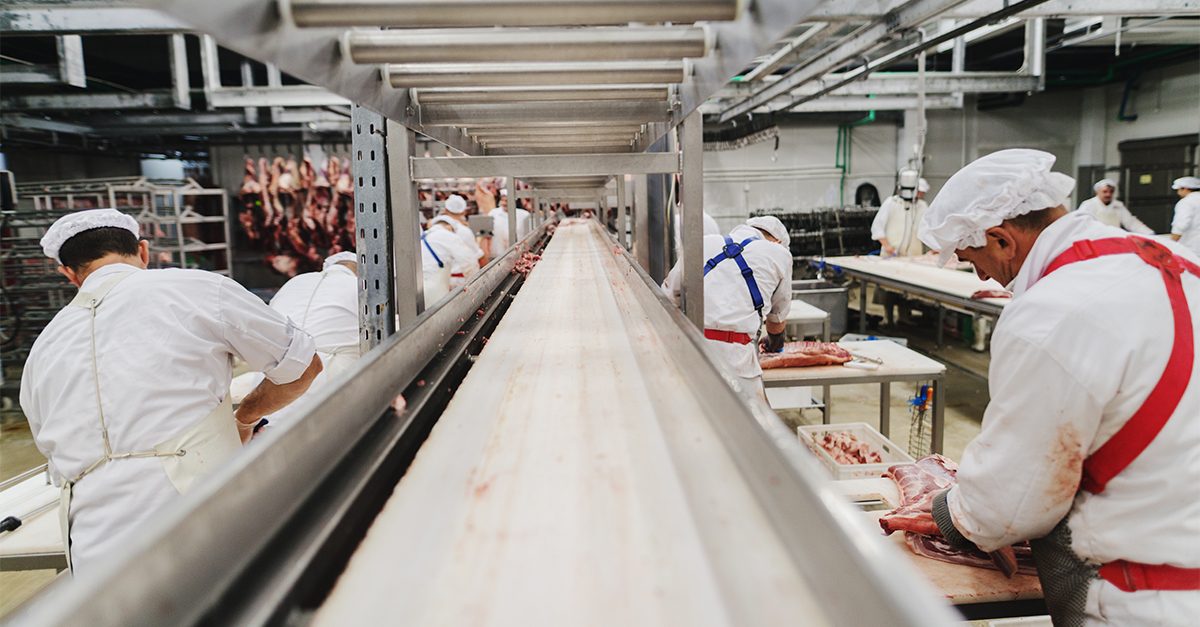
Is Your Third Party Equipment Food Safety Compliant? Hygienic Design
Hygienic design in meat processing equipment is not only mandated for compliance with food regulatory agencies but also enhances production safety, product quality, and cleaning efficiency.

How Protein Processors Can Leverage Aggregated Data: Production Processes
Numerous processes in meat production demand optimization to obtain the most valuable and highest quality product, an objective achievable through aggregated data.

How Protein Processors Can Leverage Aggregated Data: Trimming Performance
Aggregated data enables protein processors to obtain performance metrics on their production that would otherwise be challenging to quantify.
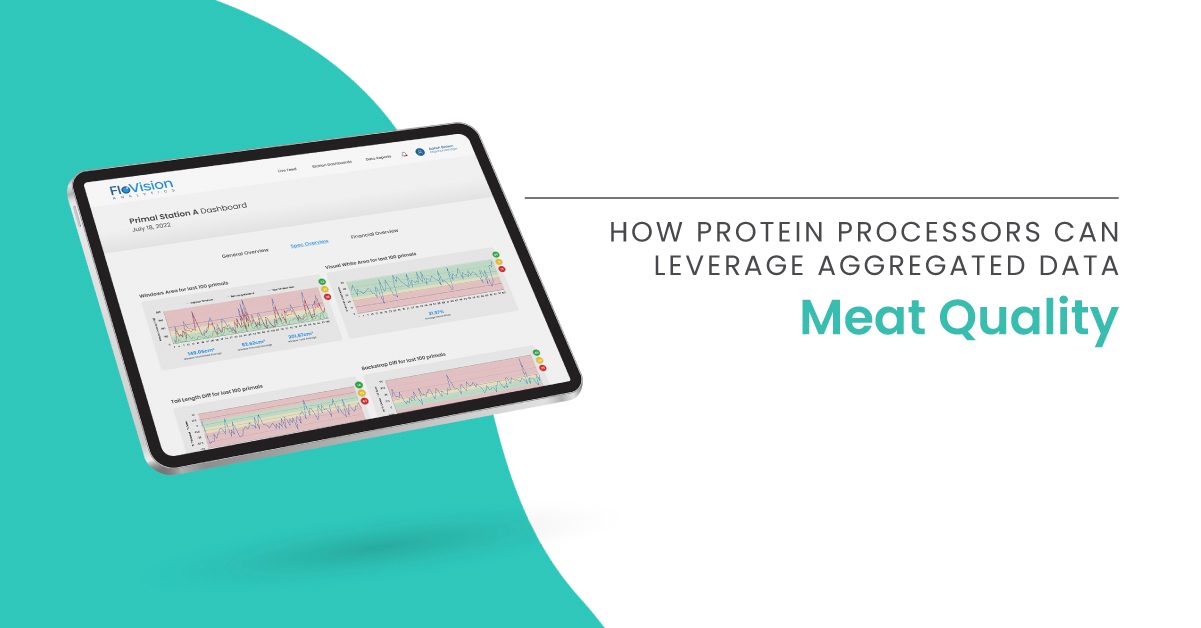
How Protein Processors Can Leverage Aggregated Data: Meat Quality
For protein processors, aggregated data proves especially valuable for identifying trends in an industry where every product is distinct. Gathering this aggregated data on meat quality, trimming performance, and production processes helps meat processors reclaim yield and deliver higher quality products.

Is Your Third-Party Equipment Food Safety Compliant? Contact Surfaces
Regarding contact surfaces, meat processors must verify that all third-party equipment and technology hardware meets food safety compliance standards.

How a Connected, Automated System Improves Protein Processing Yield
In the protein processing industry, yield is paramount. That’s why an increasing number of processors are adopting connected, automated systems to help enhance their production yields.
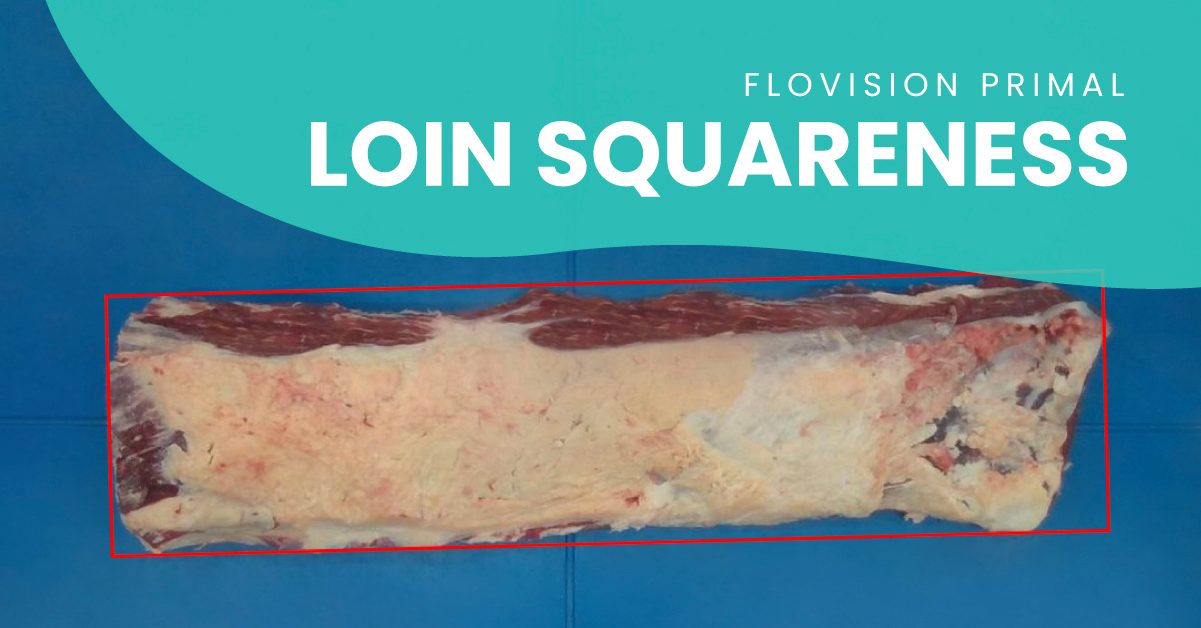
FloVision Primal: Loin Squareness
Loin squareness is a finer measurement in the primal butchering method, but at FloVision AI, we are committed to precision. Our solution evaluates loin squareness on primal lines in real-time to verify butchers are positioning primals correctly for trimming and to confirm backstraps, chump angle, and wing angle meet customer spec.
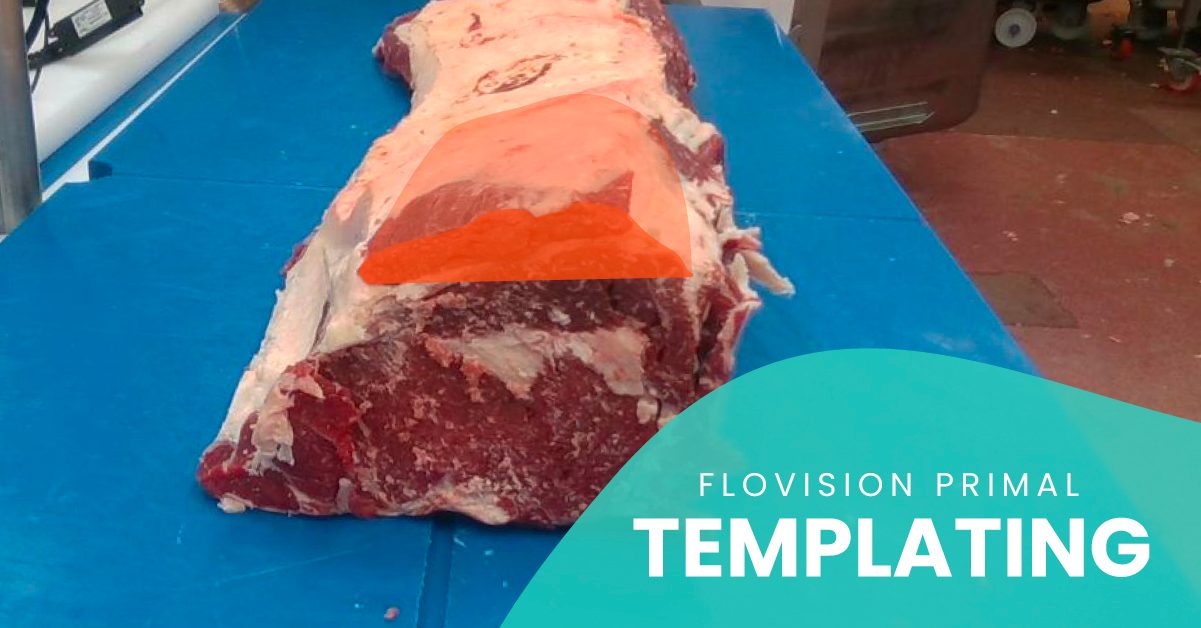
FloVision Primal: Templating
Templating consumes valuable time during the primal butchering process. FloVision AI delivers automated, accurate primal measurements that save meat processors time, yield, and revenue.
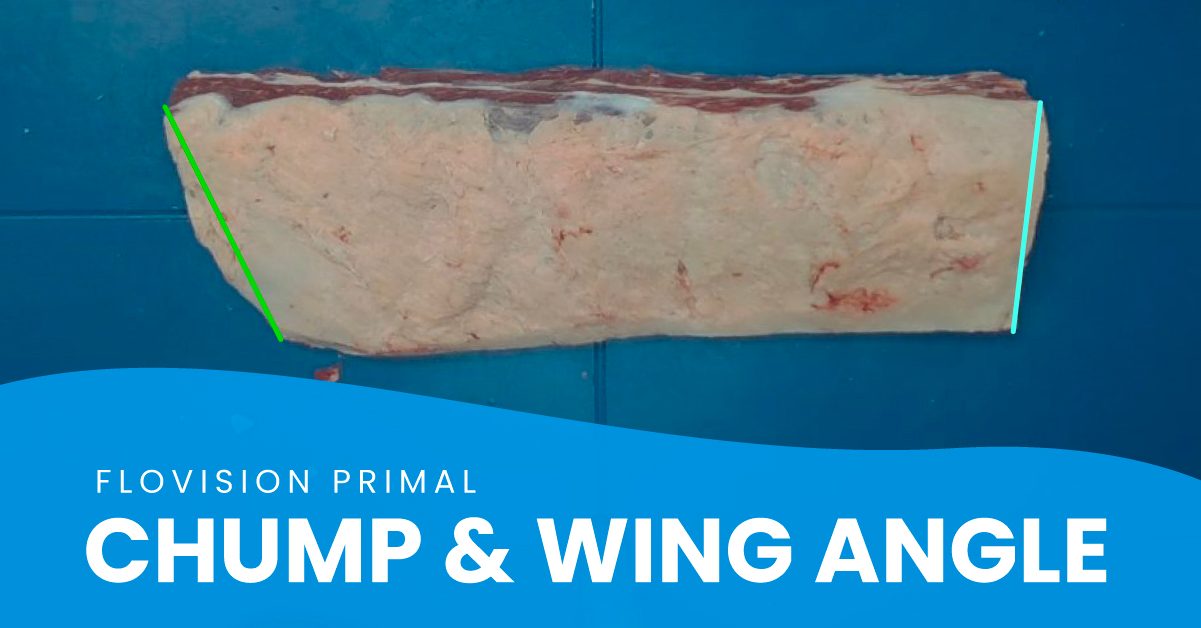
FloVision Primal: Chump & Wing Angle
Inaccurate cuts to both chump and wing angle can lead to diminished sirloin primal value. Based on customer spec, chump angles should stay natural at approximately 15°, or squared at 4°, and wing angles should be squared at 0°. Deviation from these angles causes yield loss to lower-value primals or trimmings diverted to visual lean lines.

FloVision Primal: Leanside Visual White
Maximizing fat retention on the lean side of a primal is a critical profit driver for industrial beef processors. Fat and lean left attached to the bone after deboning represents lost yield, destined for a rendering plant; when preserved on the primal, it boosts primal weight and value.
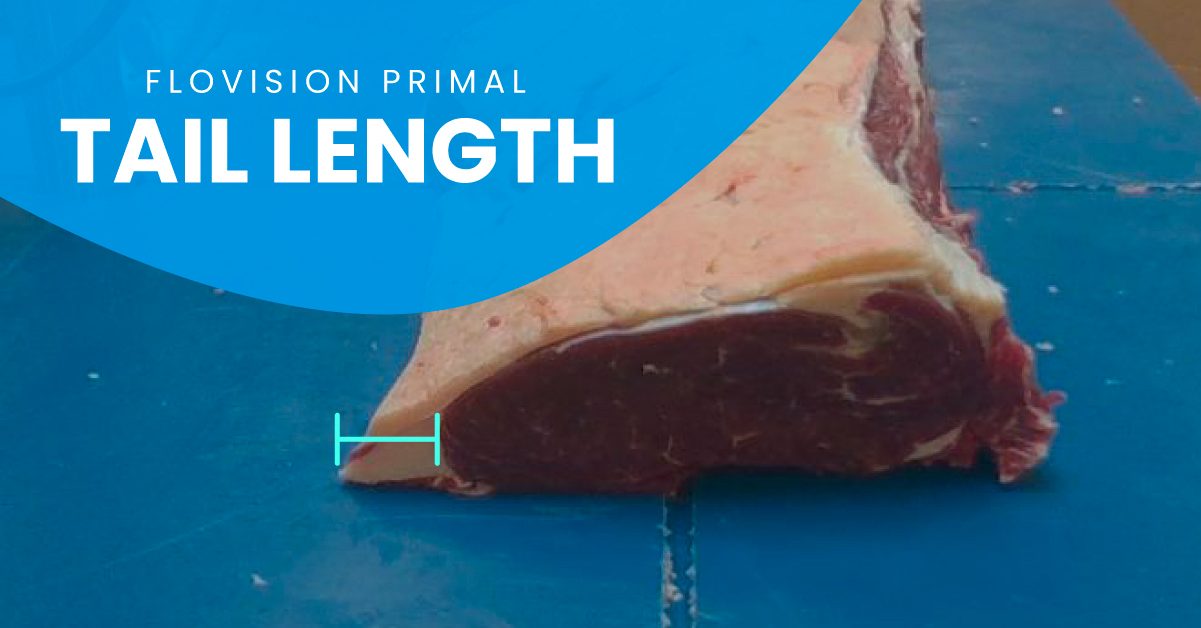
FloVision Primal: Tail Length
Meat processors are forfeiting yield on tail length trimming – roughly $3.60 per head. Given the variability in both spec and untrimmed tail length, precise cuts can be challenging to execute in real time, and inaccurate cuts can substantially affect the final value of a primal.

FloVision Primal: Backstrap
Primal backstraps are tough and essential to remove for customer quality assurance; the removal spec is generally set to a maximum width, e.g. 25mm. Trimming inconsistencies exceeding the spec lead to considerable yield and profit loss on each primal.

FloVision Primal: Windows
Meat processors sacrifice the greatest primal yield through excess fat removal (“windows”). On average, each head loses $4.54 from fat stripped away during hide removal or imprecise primal cuts on the trimming table.
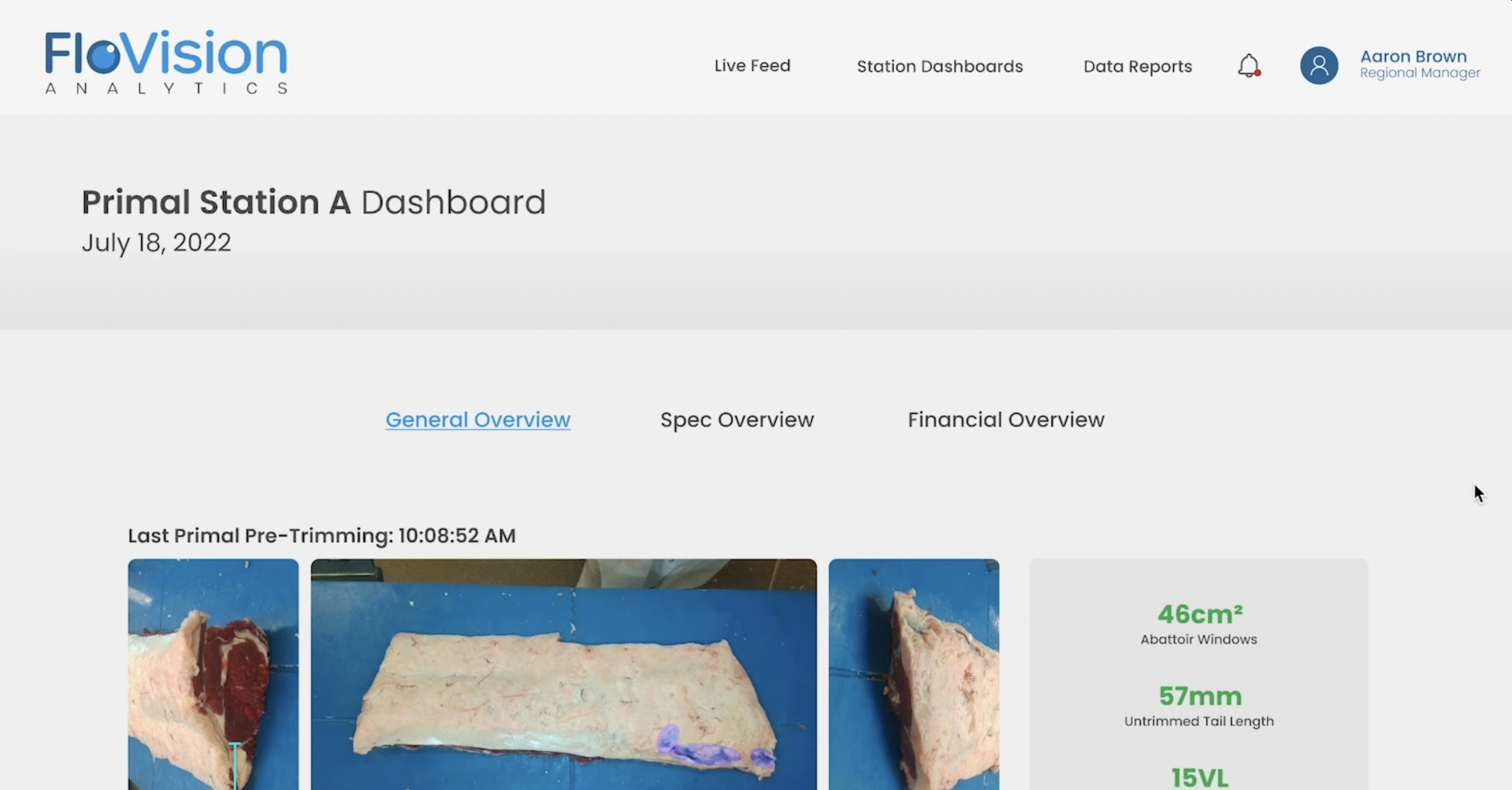
FloVision Primal: How Meat Processors Are Leveraging Technology to Recover Millions Annually
A concise overview of the technology enabling industrial meat processors to recapture millions in profit from lost primal yield.

How to Leverage Body Fat and Lean Value Shifts
Amid supply chain disruptions and shifting consumer demand starting in 2020, the meat processing industry has witnessed a sharp rise in value for an unexpected product – body fat. Since 2019, fat had held steady at approximately $0.71 [€0.62] per kilogram on average; in April 2021, this figure began to climb consistently, with the latest reporting showing a nearly 250% increase to $1.68/kg [€1.48/kg].
