The Imperative for Sustainable Food Production
Traditional food production methods frequently result in excessive resource consumption and elevated waste levels, which contribute to environmental concerns. Globally, 25–30% of total food produced is lost or wasted and food waste is estimated to account for 8-10% of total human-caused greenhouse gas emissions. As the food industry transitions toward more sustainable practices, integrating technology becomes essential. Food technology and quality control plays a central role in addressing these challenges, enabling more efficient and ecologically sound production methods.
Sustainability in food production extends beyond fulfilling current demands; it also means ensuring that future generations retain access to adequate, safe, and nutritious food. This calls for a shift toward practices that minimize environmental impact, optimize resource utilization, and curtail waste. Technologies such as AI and computer vision are instrumental in reaching these goals, providing innovative solutions that enhance food yield and quality without additional human effort.
The Role of AI and Computer Vision in Food Production
AI and computer vision stand among the most transformative technologies in food industry applications. AI, or artificial intelligence, refers to the capacity of machines to learn from data, make decisions, and refine their performance over time. Computer vision, a branch of AI, involves deploying cameras and algorithms to interpret and comprehend visual information from the surrounding environment.
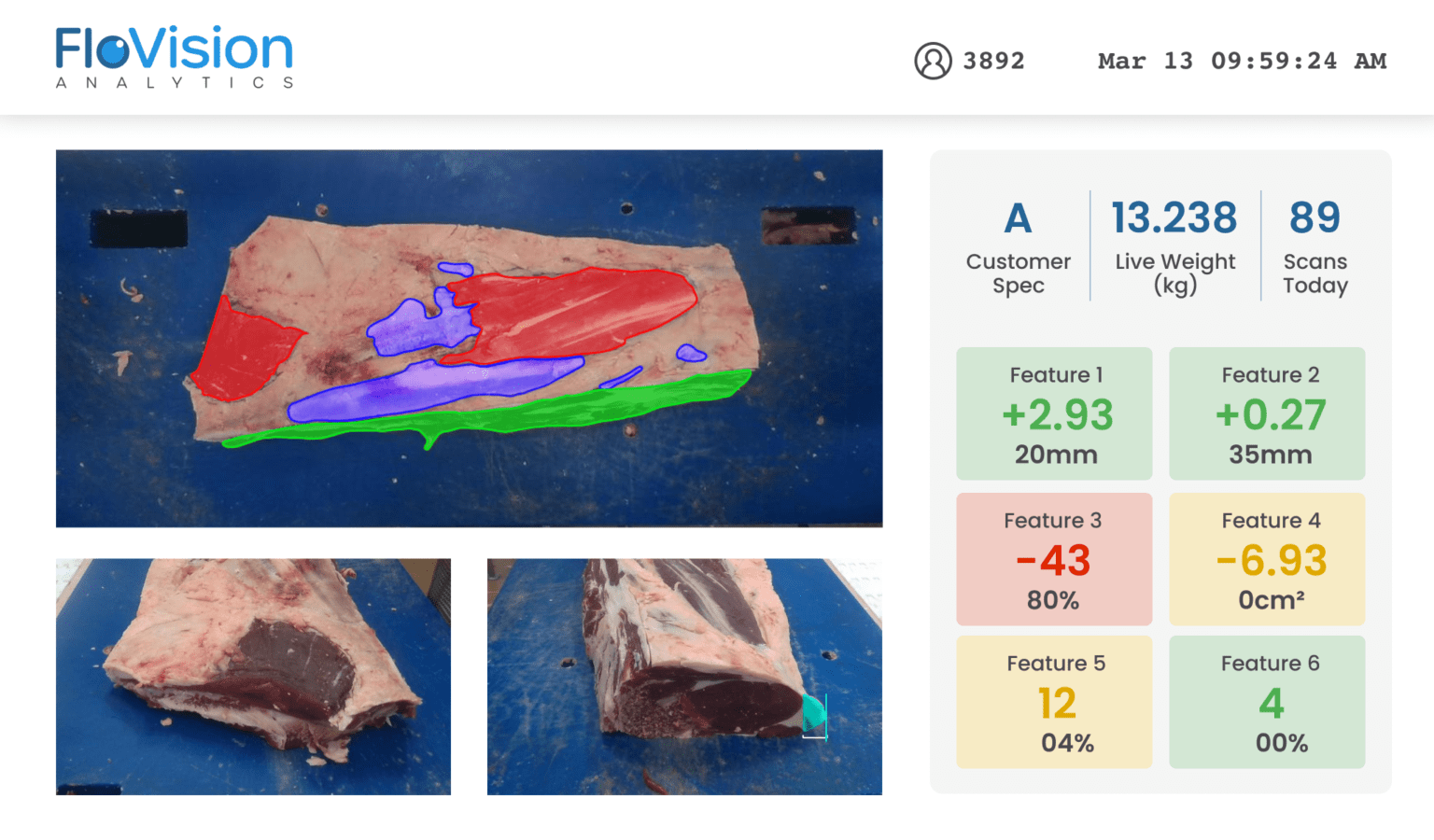
These technologies are deployed at multiple stages of food production, from sorting and grading raw materials to monitoring and verifying the quality of finished goods. For example, AI algorithms can analyze data from sensors and cameras to detect defects, classify products, and optimize facility resources. Computer vision systems can inspect food items in real time, spotting imperfections and confirming they satisfy quality standards. Together, AI and computer vision make food production more efficient and dependable.
Sustainability in food production extends beyond fulfilling current demands; it also means ensuring that future generations retain access to adequate, safe, and nutritious food.
Boosting Yield Through Food Technology and Quality Control
One of the greatest advantages of integrating AI and computer vision into food production is the capacity to enhance yield and decrease waste. In conventional food production, a substantial amount of produce is discarded because of imperfections or inefficiencies in sorting and grading processes. With AI and computer vision, however, products can be sorted with greater accuracy and imperfections can be readily identified and resolved. These advances in food technology and quality control ensure that more food reaches consumers while keeping waste to a minimum. The financial and environmental gains from reducing waste are considerable. Less waste translates to fewer resources required for production, resulting in lower costs and a reduced carbon footprint. An estimated 840 million people will face severe food insecurity by 2030, an increase from roughly 746 million people in 2019. By maximizing yield, producers can meet this demand more efficiently and contribute to food security and sustainability.Strengthening Quality Control and Safety
Guaranteeing that products satisfy rigorous quality standards and are safe for consumption is fundamental to preserving consumer trust and safeguarding public health. Through real-time monitoring capabilities, AI and computer vision systems can detect quality issues as they arise, enabling immediate corrective measures. For example, these technologies can identify contaminants, spoilage, or defects in food products, ensuring that only premium items reach consumers. This degree of precision and speed is unrivaled by traditional methods, positioning AI and computer vision as an indispensable component of food technology and quality control. Additionally, these technologies support compliance with regulatory standards. By supplying detailed and accurate data on product quality, they help producers fulfill the requirements established by food safety authorities and avert recalls. According to the Grocery Manufacturers Association in the U.S., 52% of all recalls cost over $10M and 23% cost over $30M. Deploying these technologies helps companies prevent such expensive recalls and reputational harm.Efficient Resource Utilization
Another essential dimension of sustainable food production is the efficient use of energy and resources. AI-driven optimization plays a crucial role in attaining this objective. By analyzing data from production processes, AI can identify areas where resources are being consumed inefficiently and recommend improvements. For instance, AI can determine where water and energy are utilized in food processing plants, then highlight areas to decrease consumption and reduce costs.
By minimizing waste and optimizing resource use, AI and computer vision contribute to lowering greenhouse gas emissions, bolstering global efforts to address climate change. This convergence of food technology and quality control with environmental sustainability underscores the transformative potential of these tools.
Traceability and Supply Chain Transparency
In today’s marketplace, traceability and transparency hold growing importance for consumers. According to a recent study, 72% of consumers consider transparency important when selecting food brands and retailers. People want to understand where their food originates, how it was produced, and whether it meets ethical and environmental standards. AI and computer vision technologies strengthen traceability by providing comprehensive information about the entire production process.
From farm to table, these technologies can track and record every step of production. This satisfies consumer expectations and enables producers to identify and resolve issues more rapidly. Enhanced traceability simplifies pinpointing the source of any problems, highlighting the role of food technology and quality control in delivering safe and reliable food production.
Obstacles in Food Technology and Quality Control
Despite the numerous benefits, deploying AI and computer vision in food production involves challenges. These can include upfront costs, the requirement for new equipment, and resistance to change within the industry. Nevertheless, solutions exist to address these obstacles.
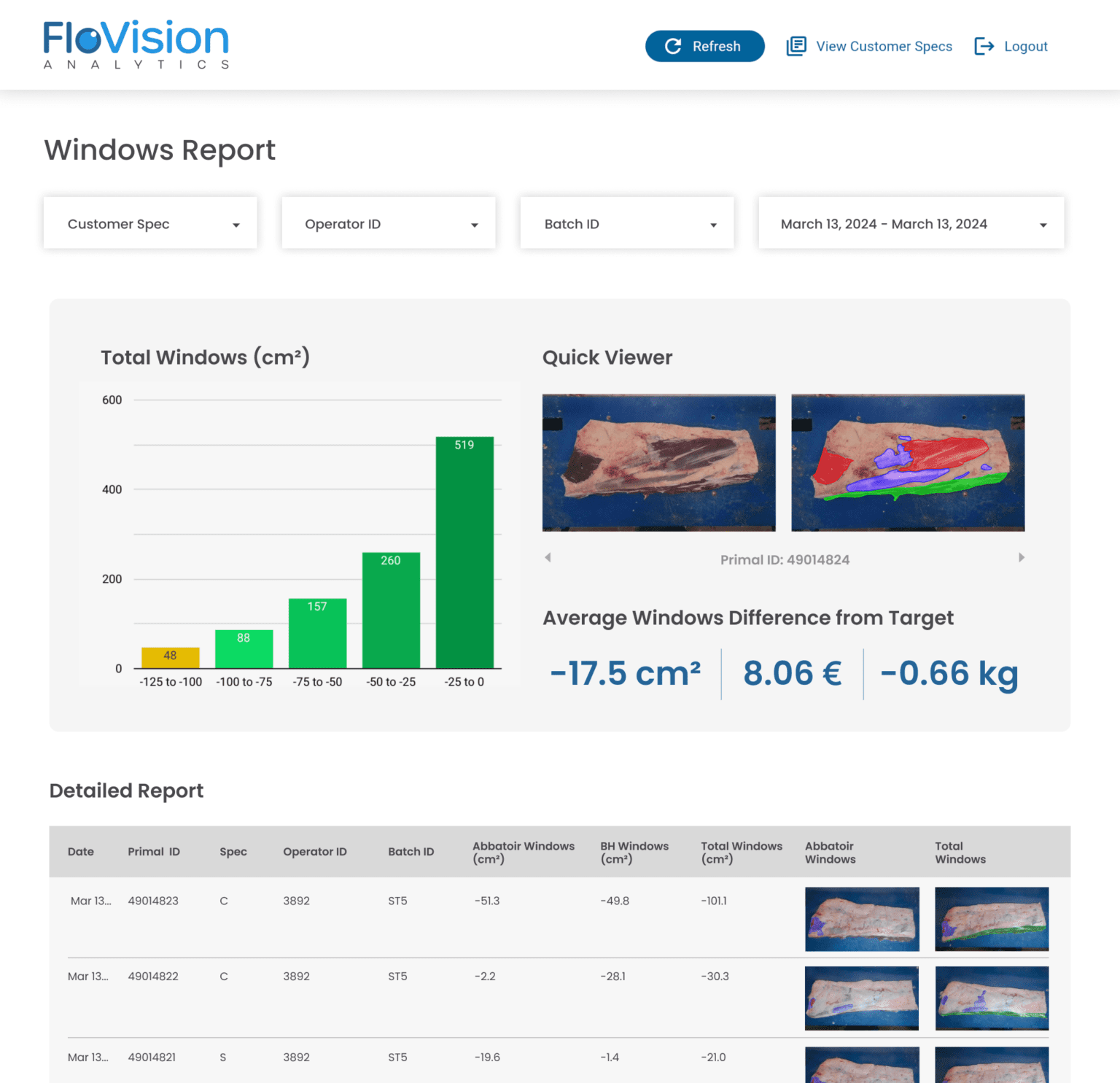
For example, companies can begin with pilot projects to validate the value of these technologies before scaling up. Processors can deploy solutions with a near-zero footprint in their facilities, such as FloVision Nano, which attaches to existing facility equipment to deliver AI and computer vision analysis on throughput. Partnerships with technology providers can supply ongoing support and innovation, enabling smoother integration of these technologies.
According to a recent study, 72% of consumers consider transparency important when selecting food brands and retailers.
Emerging Directions in Food Technology and Quality Control
Looking ahead, several emerging trends and developments in AI and computer vision are poised to further advance food production sustainability. Progress in machine learning algorithms, enhanced sensor technologies, and deeper data integration across the supply chain are all on the horizon with these evolving technologies.
For instance, future AI technology may harness predictive analytics to forecast and avert production or product issues before they arise. Enhanced sensors and imaging technologies will improve the accuracy and speed of quality control measures. Deeper data integration will provide more comprehensive, real-time insights into production processes, fueling continuous improvements in efficiency and sustainability. In the “AI in Agriculture” sector alone, the global market is expected to grow from 1.5B USD in 2023 to 10.2B USD by 2032.
By making food production more efficient, sustainable, and transparent, AI and computer vision can help tackle some of the most urgent challenges confronting the global food industry today.
Driving Food Industry Sustainability with AI and Computer Vision
AI and computer vision technologies are reshaping food production by strengthening sustainability and reducing environmental impact. Through improved yield, decreased waste, enhanced quality control, and greater resource efficiency, these technologies are transforming the industry. By adopting emerging technologies, producers can secure a more sustainable and efficient future for food production.
Going forward, it is vital for industry stakeholders to continue investing in and embracing these advanced technologies. The advantages are evident: improved sustainability, superior quality control, and a more resilient food production system. Collectively, we can build a future where food technology and quality control pave the way to a more sustainable and efficient food industry.
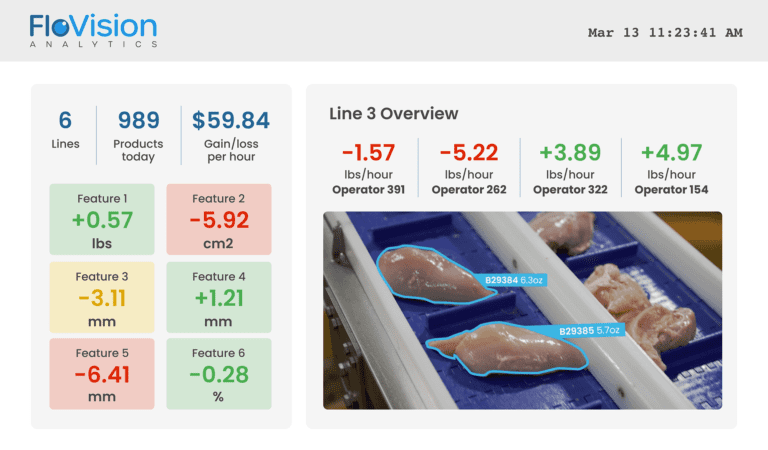
FLOVISION NANO
Compact AI sensor to measure yield and quality at production speed.