Utilize Automated Poultry Quality Inspections
Quality control in poultry processing guarantees that products are free from defects, production errors, and foreign objects. Quality standards must satisfy customer expectations and adhere to strict regulatory requirements. Upholding these standards can be difficult at the rapid pace of production, currently approved by the USDA to reach 175 birds per minute, and manual inspections remain susceptible to human error and inconsistencies.
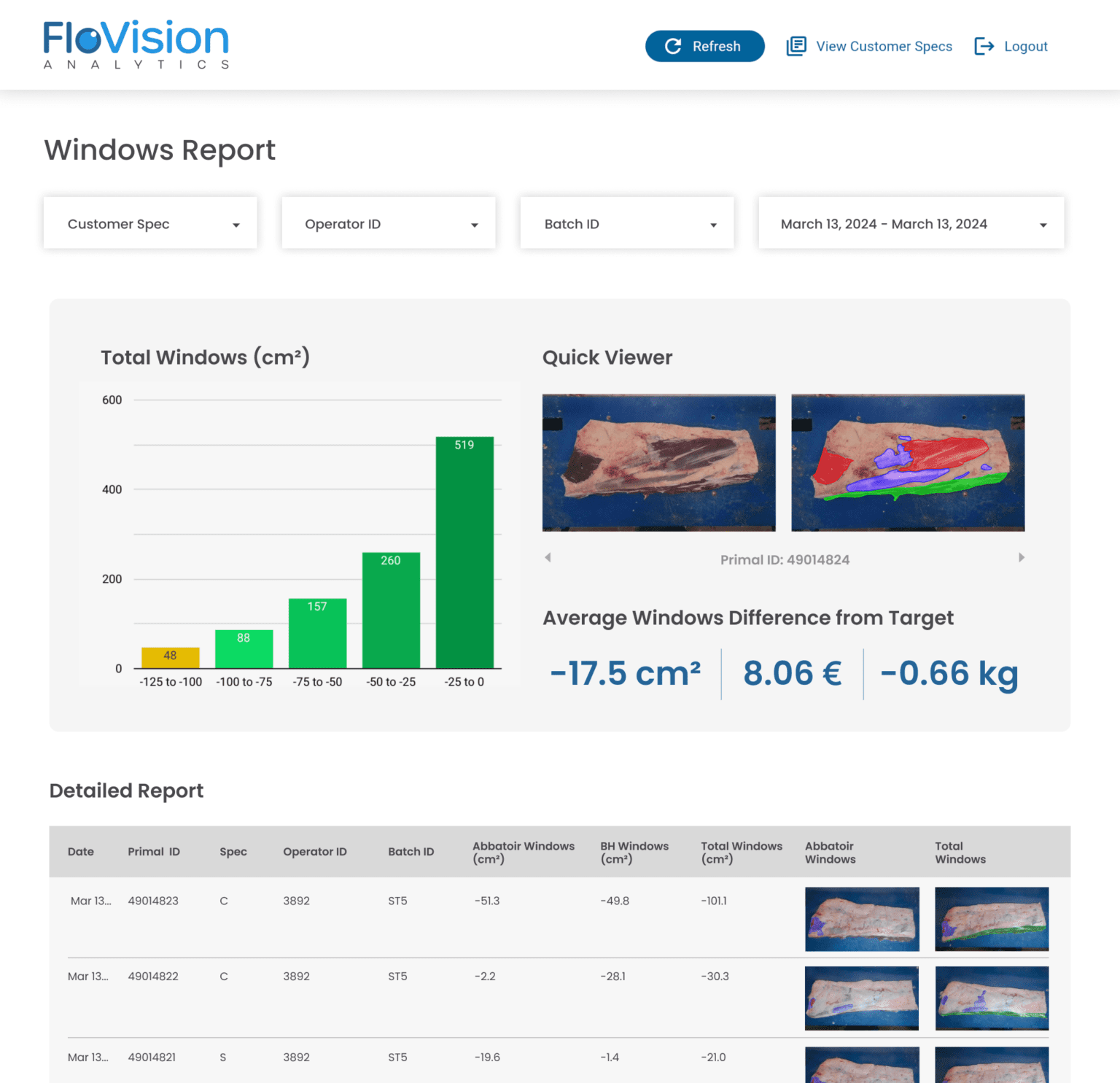
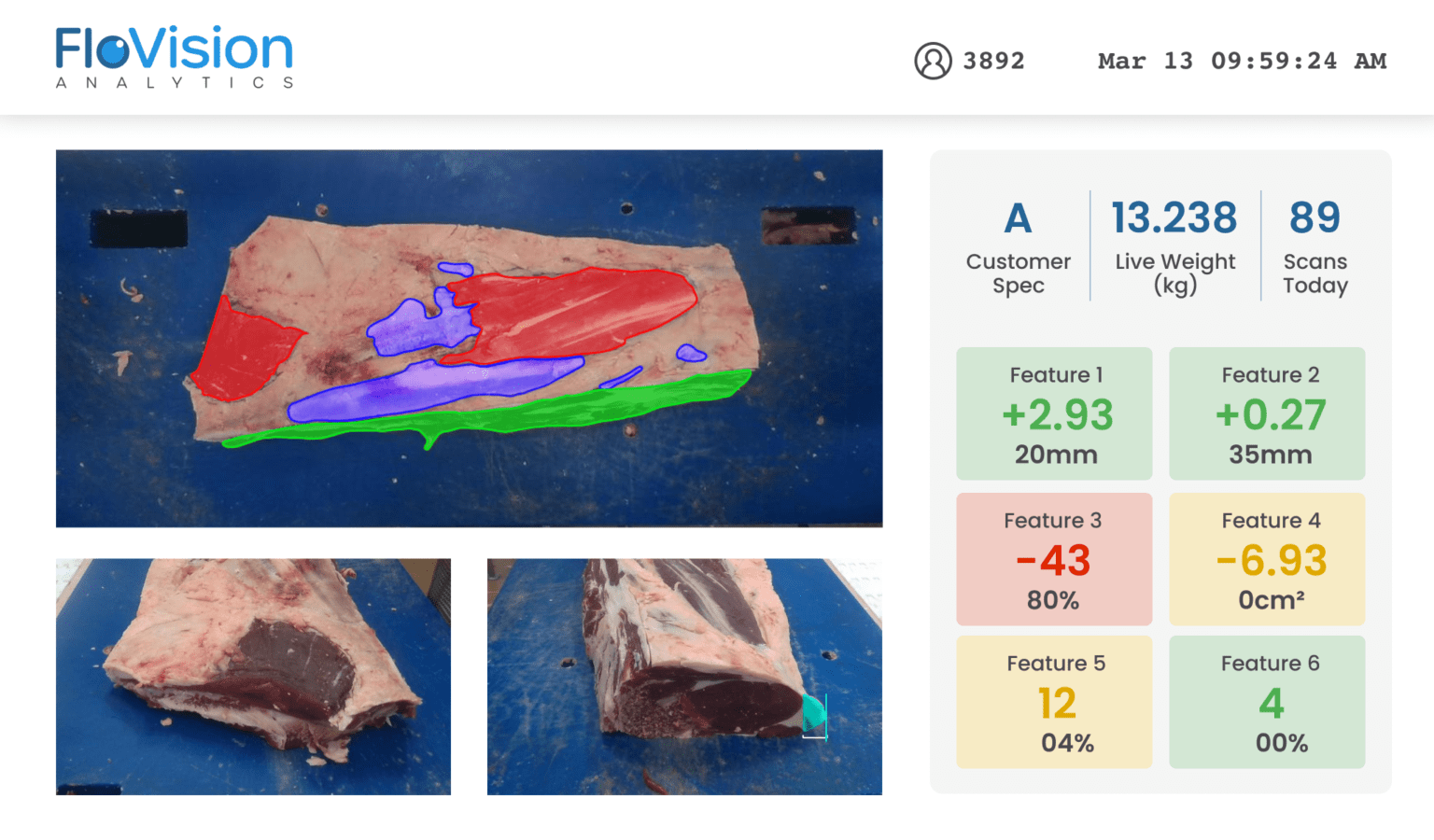
Automated scanning technology can be deployed at multiple stages of the processing line to conduct quality inspections. For example, products can be scanned following feather removal, evisceration, and trimming to identify defects, foreign objects, and deviations from quality benchmarks. By automating the inspection process, poultry processors can minimize the risk of manual mistakes, maintain product consistency, and prevent contamination. This technological advancement not only elevates product quality but also ensures the final product aligns with customer specifications, boosting consumer satisfaction and loyalty.
Build Staff Training Programs for Faster Poultry Production
Poultry production is inherently complex, demanding precise and efficient operations to sustain high yield and quality. A critical component of this process is trimming, which directly influences the volume of sellable meat and the overall quality of the poultry.
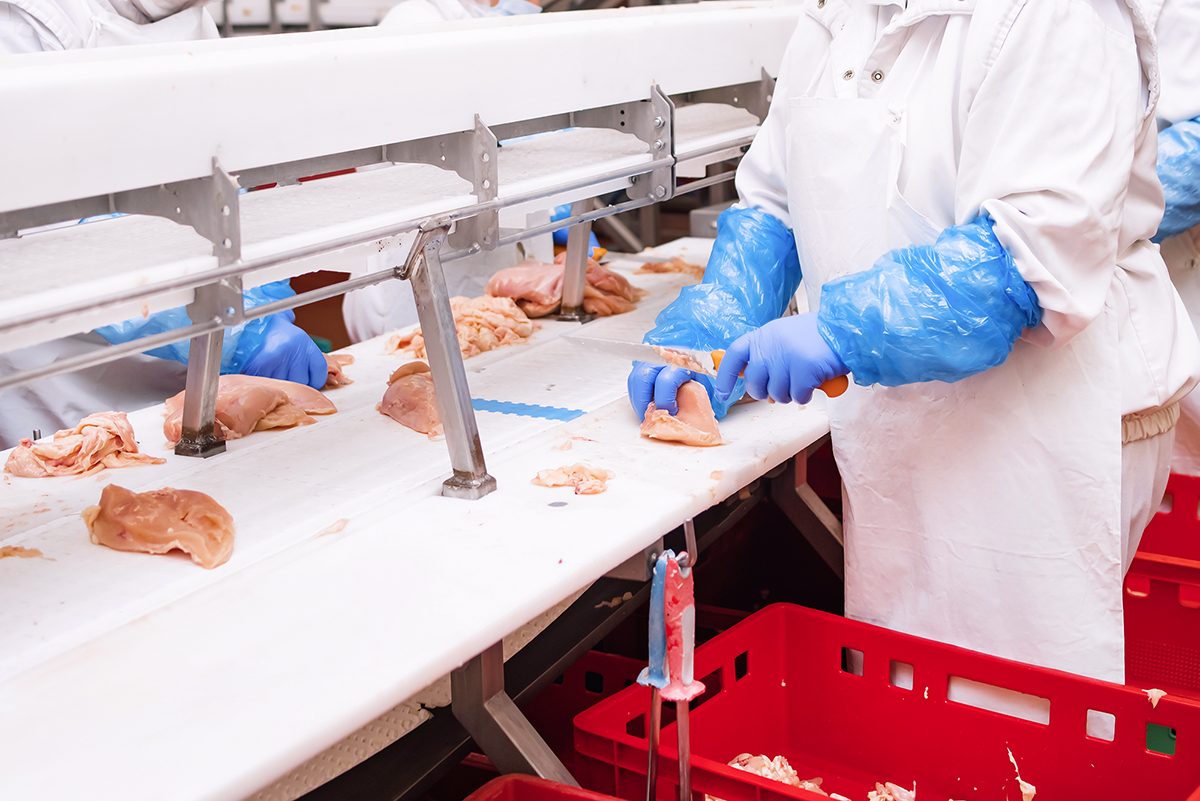
Creating and implementing Standard Operating Procedures (SOPs) ensures consistency and accuracy in trimming operations. These SOPs supply detailed instructions for each task, guaranteeing that staff adheres to uniform procedures. The US projects approximately 15,300 openings for butchers each year, making regular training essential to keep current and new staff proficient in procedures and to introduce methods for quicker and more precise production. Individualized interventions can be carried out to address specific areas of concern, delivering targeted support and feedback to staff who may require it.
Staff training combined with SOPs leads to greater efficiency as workers become more skilled and proficient in their roles. This precision reduces the volume of meat discarded, boosting yield, profitability, and product quality.
The US anticipates roughly 15,300 butcher openings annually, making ongoing training essential to keep existing and new staff current on procedures and to introduce methods for quicker, more precise production.
Adopt Just-In-Time (JIT) Poultry Production
Just-In-Time (JIT) production is a methodology focused on manufacturing only what is required at the moment it is required. This approach lowers the need for extensive inventories and curtails waste, since products are generated in response to real demand rather than projected demand.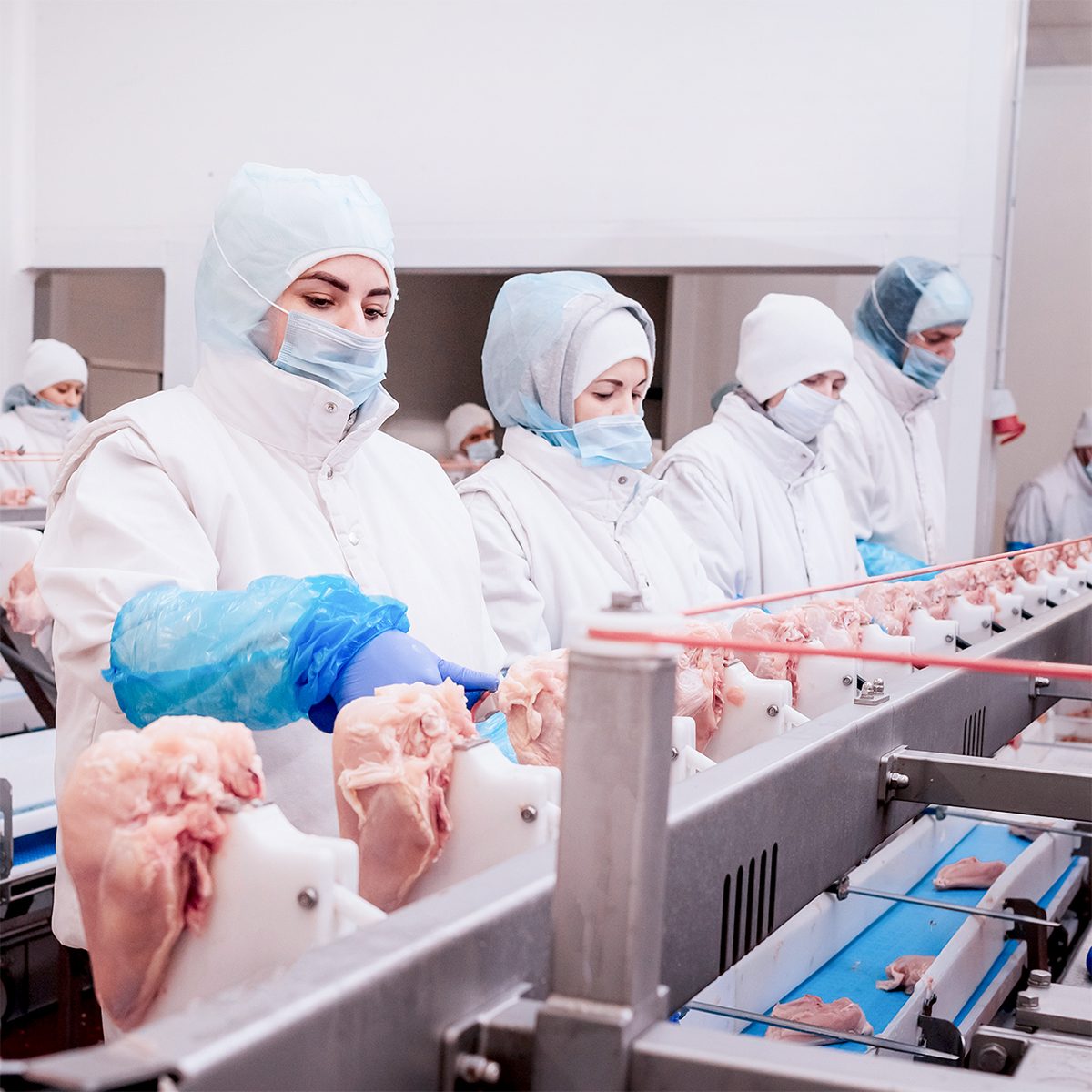
In poultry processing, JIT production can be implemented by closely synchronizing production schedules with market demand. This means coordinating the arrival of birds so they are processed without delay, minimizing the time they remain at the facility before production begins.
By manufacturing in smaller, more frequent batches, poultry processors can react swiftly to demand shifts and lower the risk of spoilage or contamination. Storage expenses are reduced since extensive inventories become unnecessary. Overall, JIT production enhances profitability by cutting waste and keeping production tightly aligned with market requirements.
Maximize Poultry By-Product Value
In poultry processing, by-products including feathers, bones, and offal constitute approximately 37% of the live weight of the bird and can serve as significant sources of additional revenue when managed effectively. Properly separating these by-products from the primary product ensures they contribute to the overall profitability of the processing operation. Feathers, for instance, can be converted into feather meal, a high-protein animal feed ingredient. Bones can be processed into bone meal, used as both a fertilizer and animal feed supplement. Offal can be directed toward pet food production or other value-added applications.
Effective by-product separation drives higher profitability, as these materials are converted into marketable products rather than compromising product quality or going to waste. This strategy also supports waste reduction efforts, advancing sustainability objectives and enhancing the overall efficiency of the processing operation.
Create Poultry Production Status Indicators
Visual management employs visual signals to relay information rapidly and clearly throughout production. This method helps ensure that everyone in the processing facility stays informed about the current state of operations, potential issues, and required actions.
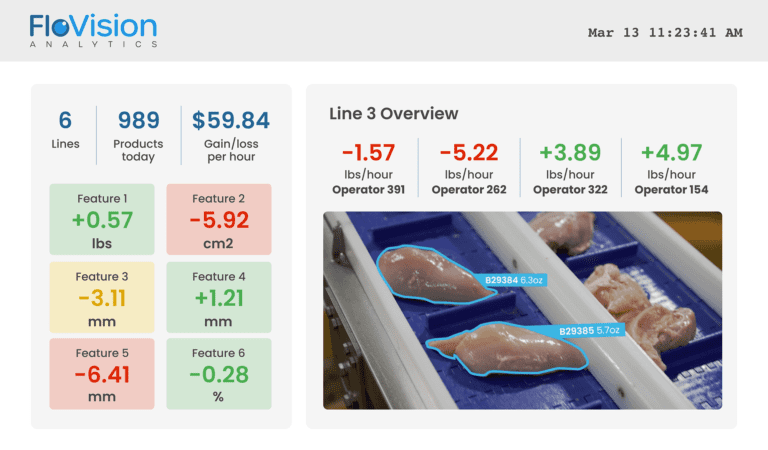
In poultry processing, visual management can be deployed through color-coded displays, labels, charts, and signage. Different colored indicators can denote the status of products (e.g., quality-checked, awaiting inspection, ready for packaging). Real-time information displays can deliver updates on production status, inventory levels, and equipment performance, enabling supervisors and staff to oversee operations as they happen.
The principal advantage of visual management is the rapid identification of issues, allowing staff to address problems without delay. This minimizes downtime and prevents minor issues from developing into larger ones. Visual management strengthens process control and overall efficiency by keeping all personnel informed and aligned with production objectives.
Visual management strengthens process control and overall efficiency by keeping all personnel informed and aligned with production objectives.
Achieving Peak Operational Efficiency in Poultry Processing
These five effective strategies can optimize poultry processing lines, resulting in enhanced yield, profitability, quality, and efficiency. Processors can deploy a solution such as the FloVision Nano, which occupies a near-zero footprint in production facilities and delivers automated quality and defect scanning, production performance data and forecasting, and real-time visualizations of production health for managers and line staff. With deeper visibility into their production, poultry processors can attain faster, more efficient operational performance and maximize product value.
FLOVISION NANO
Compact AI sensor to measure yield and quality at production speed.