Efficiency and Scale in North American Beef Production
In North America, especially the United States, beef production functions at a vast industrial scale. In 2023, the US produced roughly 26.5 billion pounds of beef. The emphasis is on high-efficiency systems that prioritize volume output, frequently using feedlots where cattle are finished on grain-rich diets to accelerate weight gain. The U.S. leads the global beef export market, and its grading frameworks, such as USDA certification, play a pivotal role in setting market value.
In Canada, there’s a strong emphasis on upholding rigorous food safety and animal welfare standards. Industrial beef processors in Mexico tend to be smaller and operate alongside farming enterprises.
Although North America excels in efficiency, it confronts mounting scrutiny regarding its environmental footprint. Water usage, carbon emissions, and the long-term viability of feedlot systems are a growing concern. Simultaneously, consumers are calling for greater transparency in how beef is raised and processed, compelling producers to embrace more ethical practices.
Grass-Fed Heritage Meets Contemporary Demand in South America
South America is renowned for its expansive pasturelands and premium grass-fed beef. Nations such as Brazil, Argentina, and Uruguay have built thriving beef industries, frequently exporting to Asia and Europe. In Argentina, beef production is deeply embedded in the national identity, with grass-fed cattle raised on open ranges. Uruguay is likewise recognized for its pasture-fed lean beef, extensively exported to markets seeking high-quality cuts.
Brazil ranks among the world’s largest beef exporters, representing 20% of global beef exports, though its methods differ owing to the scale of production and the use of hybrid systems – encompassing both grass-fed and feedlot operations.
The foremost challenge confronting South American beef production is environmental. Brazil, in particular, faces worldwide scrutiny over deforestation in the Amazon, as land is cleared for cattle ranching and crop cultivation alike. As demand rises, striking a balance between conserving natural resources and sustaining production is essential.
As demand rises, striking a balance between conserving natural resources and sustaining production is essential.
Premium Quality, Artisanal Beef in Europe
In Europe, beef production is more quality-oriented. Countries such as France, Ireland, and Spain focus on smaller-scale operations that yield premium, grass-fed beef. European consumers demand stringent animal welfare standards, and EU regulations ensure that beef production remains both transparent and sustainable. In Ireland, for instance, pasture-raised cattle are the norm, and the country is celebrated for its premium beef, approximately 90% of which is exported.
The European model places a high value on traceability. Consumers seek to know where their meat originates and how it was raised. This prioritization of quality over volume distinguishes European beef from the mass-produced systems found in other regions.
Europe’s beef sector faces its own set of challenges, particularly following Brexit. Trade regulations have shifted, complicating exports between the UK and EU member states. Furthermore, European consumers are increasingly insisting on sustainable food sources, driving the industry to satisfy elevated environmental standards.
Export-Driven Production and Technology in Australia and New Zealand
Australia and New Zealand are prominent participants in the global beef export market, especially to Asia. Similar to South America, these nations depend extensively on large, pasture-based systems, with over 45,000 beef cattle farms in Australia. Australian beef is especially valued for its high quality and consistency, making it a preferred option in markets such as Japan and Korea.
The principal challenge for beef producers in this region is environmental. Recurring droughts in Australia can devastate pasturelands, making it challenging to sustain the large-scale operations needed for export demand. New Zealand likewise faces environmental difficulties, though on a smaller scale given its more temperate climate. The worldwide drive for sustainability is also intensifying pressure on these countries to lower their carbon footprints.
Tradition Intersects with Modernization in Asia
Beef production in Asia is remarkably diverse, reflecting the region’s breadth of cultures. In Japan, beef is inseparable from Wagyu, a premium product raised with artisanal care. Wagyu cattle are meticulously bred, raised, and fed to yield the world’s most coveted beef, with an emphasis on quality over quantity. Japan produces approximately 8,650 tons of Wagyu beef annually.
In China, by contrast, the focus is on expanding production to satisfy rising demand. As the country’s middle class grows, so does beef consumption. China is swiftly modernizing its beef industry, adopting industrial farming practices akin to those in North America.
India’s beef production, meanwhile, is shaped by cultural considerations. Owing to religious beliefs, beef is less commonly produced and consumed, with water buffalo frequently serving as an alternative to traditional beef, produced at around 4.55 million metric tons in 2024.
Asia encounters a distinct set of challenges, particularly in reconciling tradition with modernization. In Japan, the challenge lies in preserving artisanal practices within a globalized marketplace. China, conversely, must tackle sustainability and food safety concerns as it accelerates industrial-scale beef production.
The worldwide drive for sustainability is also intensifying pressure on countries to lower their carbon footprints.
Global Challenges and Innovations
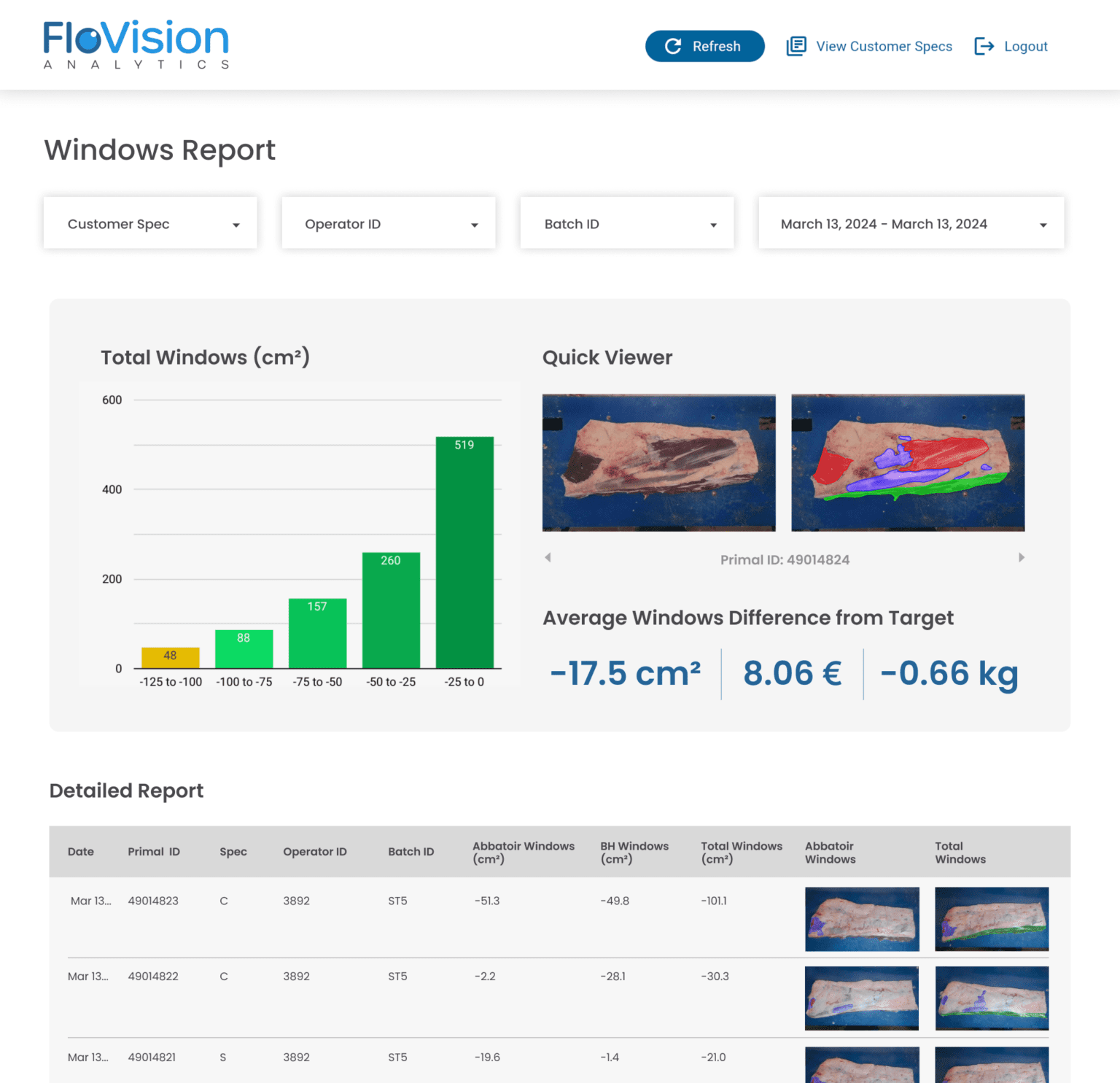
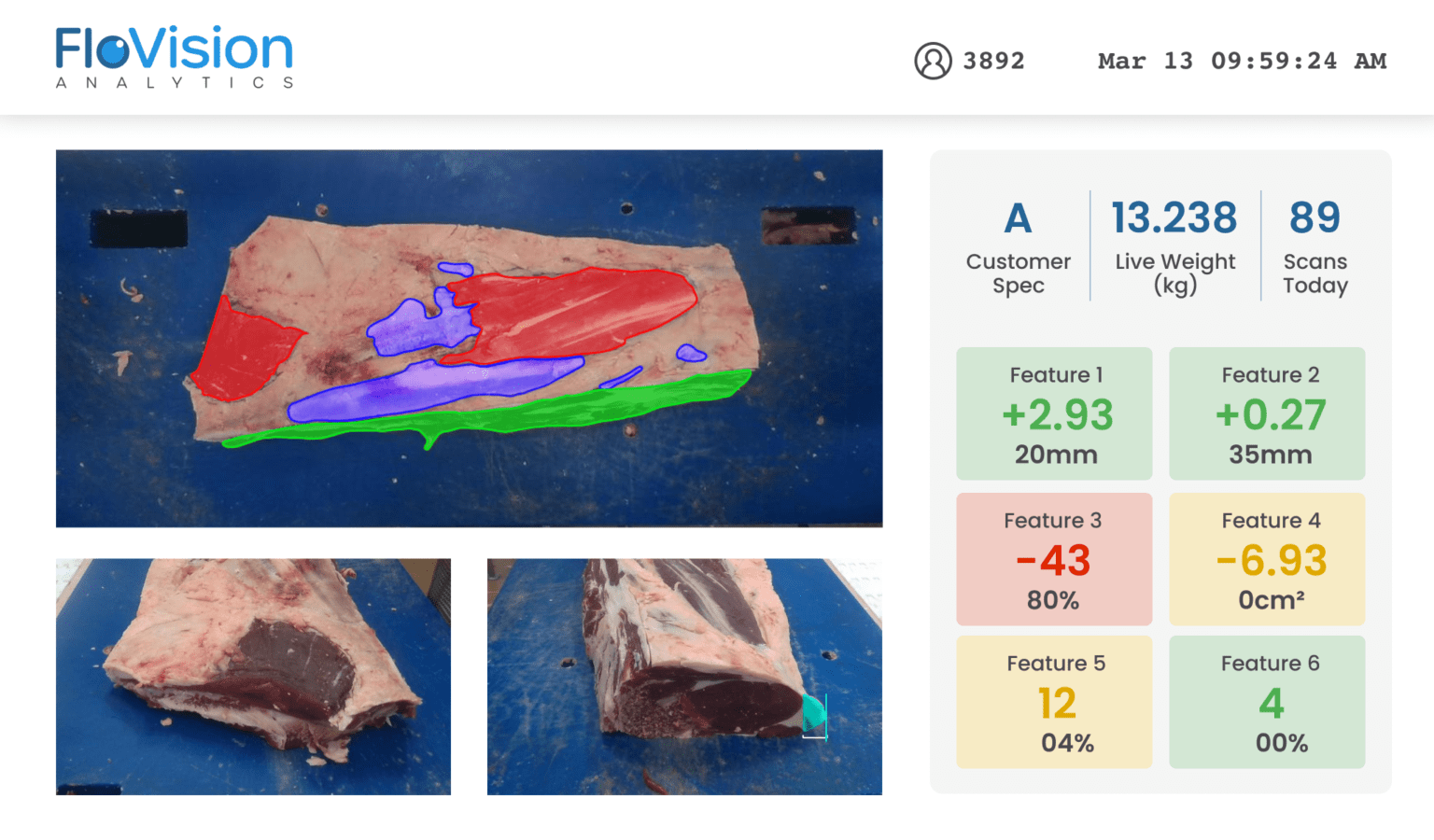
Across every region, the beef industry confronts major global challenges. Sustainability, animal welfare, and the imperative to produce more beef for a growing population are urgent concerns. Technology is playing a central role in tackling these issues – AI, computer vision, and automated systems like FloVision Pro and FloVision Nano are enabling beef producers to optimize yield, cut waste, and satisfy the escalating demands of consumers worldwide.
Advancing Efficiency and Sustainability in Beef Production
Beef production may vary around the world, but one constant endures: the need for innovation and sustainability. As regional practices evolve, solutions like FloVision Pro and Nano will continue to serve a central function in ensuring that beef production can satisfy global demand while meeting elevated standards of efficiency, transparency, and environmental responsibility.
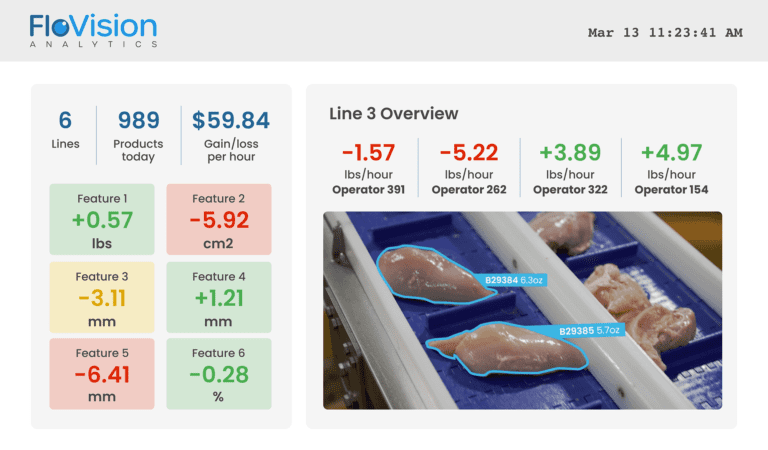
FLOVISION NANO
Compact AI sensor to measure yield and quality at production speed.