
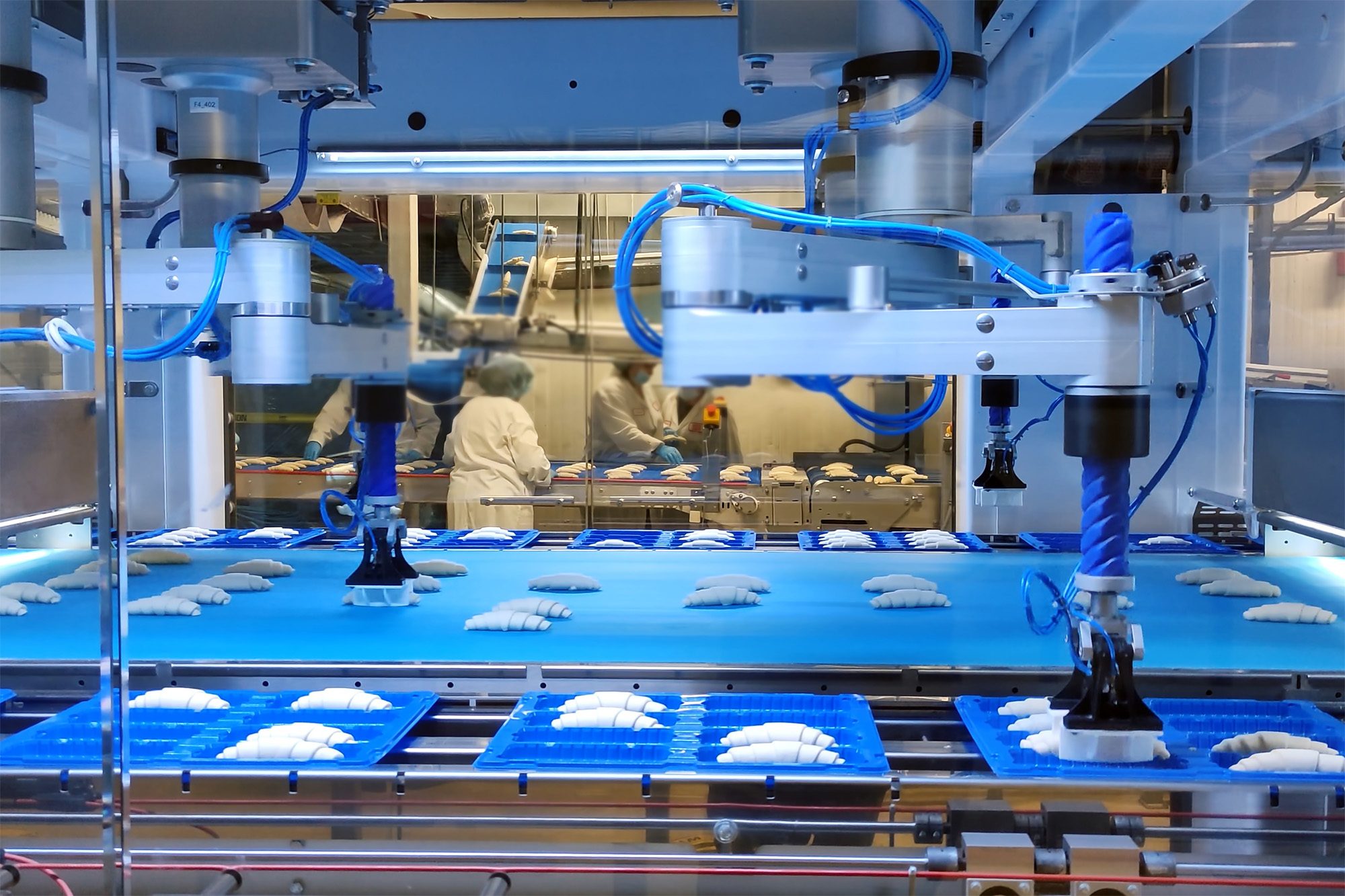
To boost throughput, processors need to concentrate on automation, real-time quality control, workforce optimization, predictive maintenance, and well-designed plant layouts. According to Food Engineering’s State of Food Manufacturing Survey in 2023, 56% of food processors saw an increase in throughput in the past year, making it essential for others to prioritize throughput improvements in order to remain competitive.
Here, we outline the four most impactful strategies for food processors seeking to boost throughput while preserving product quality and yield.
Enhance Line Efficiency Through Process Automation
Manual processing is slow and variable, creating bottlenecks that constrain throughput. Investing in automation and AI-driven monitoring systems enables plants to operate faster while sustaining precision. The more effectively a facility can advance raw materials through cutting, trimming, and packaging stages, the greater the throughput gains achievable without additional resources.
Critical Areas Where Automation Drives Throughput
- Portioning & Slicing: Automated portioning delivers uniform cut sizes and weights, minimizing waste and rework.
- Deboning & Trimming: Poultry and pork deboning robots operate faster than manual labor while enhancing yield.
- Sorting & Inspection: AI-powered systems detect mis-trimmed cuts, foreign objects, and underweight portions in real time.
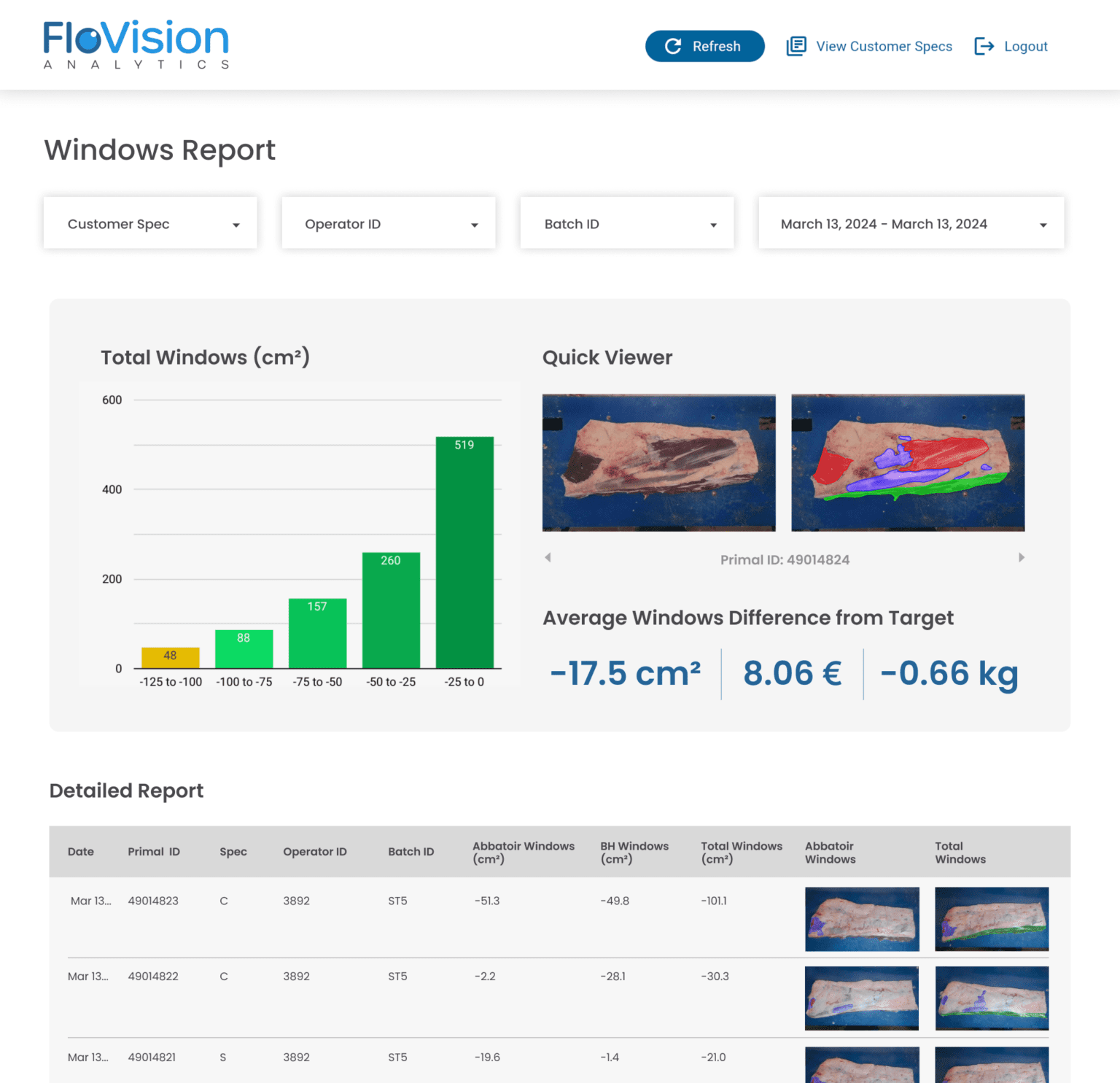
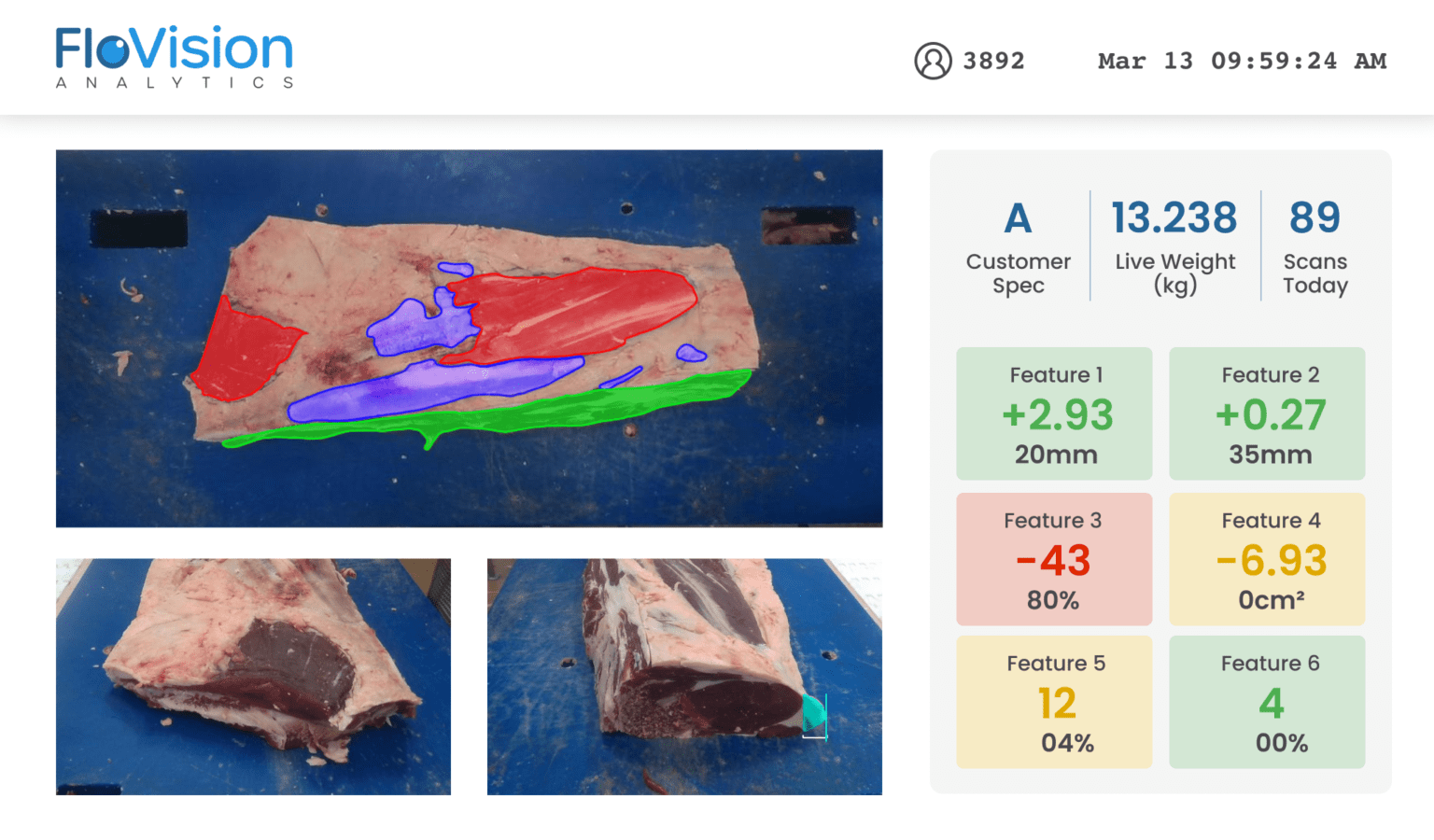
Through AI scanning, FloVision Pro assesses food products during processing, identifying inconsistencies or production errors within milliseconds. Rather than halting production for manual inspection, operators receive immediate feedback to address issues on the spot. This consolidated data also empowers processors to make strategic decisions that enhance product flow and raise throughput via consistent, high-speed operations.
By pairing intelligent automation with real-time AI monitoring, processors accelerate production, minimize rework, and improve overall yield per shift.
The more effectively a facility advances raw materials through cutting, trimming, and packaging stages, the greater the throughput gains achievable without additional resources.
Strengthen Workforce Utilization and Development
Even in heavily automated plants, a skilled workforce remains essential for driving throughput. Inadequate training and delayed decision-making frequently create bottlenecks, rework, and production slowdowns. Employees who are properly trained and can respond swiftly to production challenges foster faster, more streamlined workflows that naturally elevate throughput.
Key Workforce Challenges in Food Processing
- High turnover rates necessitate continuous retraining.
- New hires struggle to match throughput speed and make costly errors.
- Inexperienced workers draw experienced staff away from the line for training purposes.
Rather than depending solely on conventional training programs, processors are leveraging real-time AI feedback from systems like FloVision Pro and FloVision Nano to accelerate new worker onboarding and support better on-line decision-making. By providing employees with real-time insights and AI-driven feedback, processors enable their workforce to operate faster and with greater precision, helping to raise throughput without incurring additional labor costs.
With immediate AI-driven insights, operators can:
- Ramp up faster on the job, shortening onboarding time.
- Address mistakes instantly, rather than waiting for supervisor intervention.
- Operate more efficiently, enabling faster line speeds.
- Cross-train across multiple workstations to minimize slowdowns from staff shortages or machine-specific knowledge gaps.
Reduce Product Defects and Waste
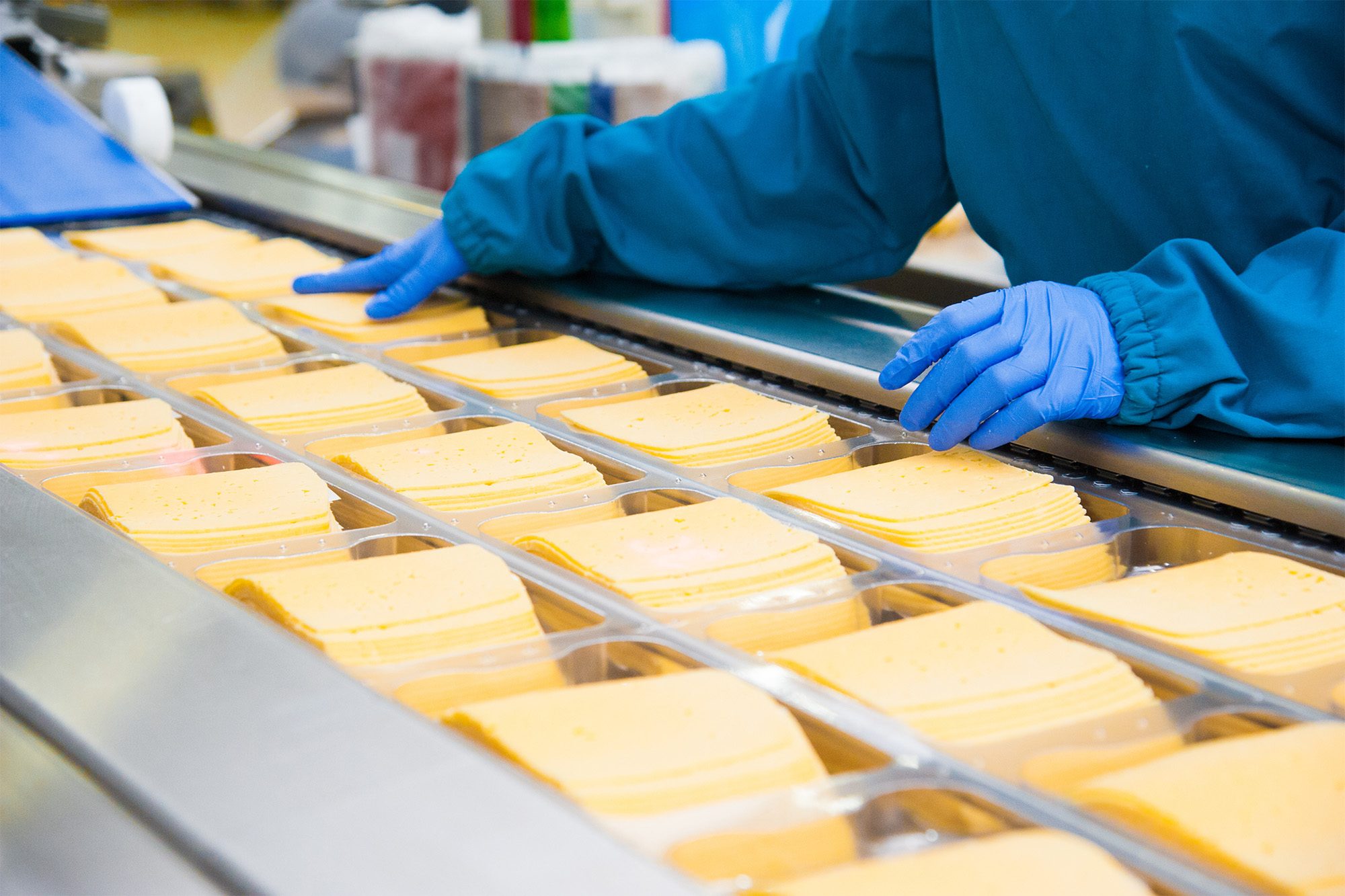
Defective products impede throughput because they demand rework, generate waste, and create regulatory compliance problems. Inconsistent cuts, improperly trimmed portions, and contamination all contribute to lost time and diminished yield.
The Impact of Quality Control Failures
- Each rejected product represents lost revenue and wasted raw material.
- Rework decelerates production and lowers efficiency.
- Foreign object contamination can halt entire lines, resulting in significant throughput losses.
Leveraging AI to Decrease Rework and Enhance Yield
AI systems like FloVision Nano automatically inspect products for defects before they cause disruptions. Rather than relying on manual inspection -- which can be slow and inconsistent -- these systems detect improper portioning, spec deviations, and contamination issues in real time. By catching errors before they necessitate rework, food processors can lower waste and raise throughput without compromising product quality.
Strengthen Predictive Maintenance and Equipment Uptime
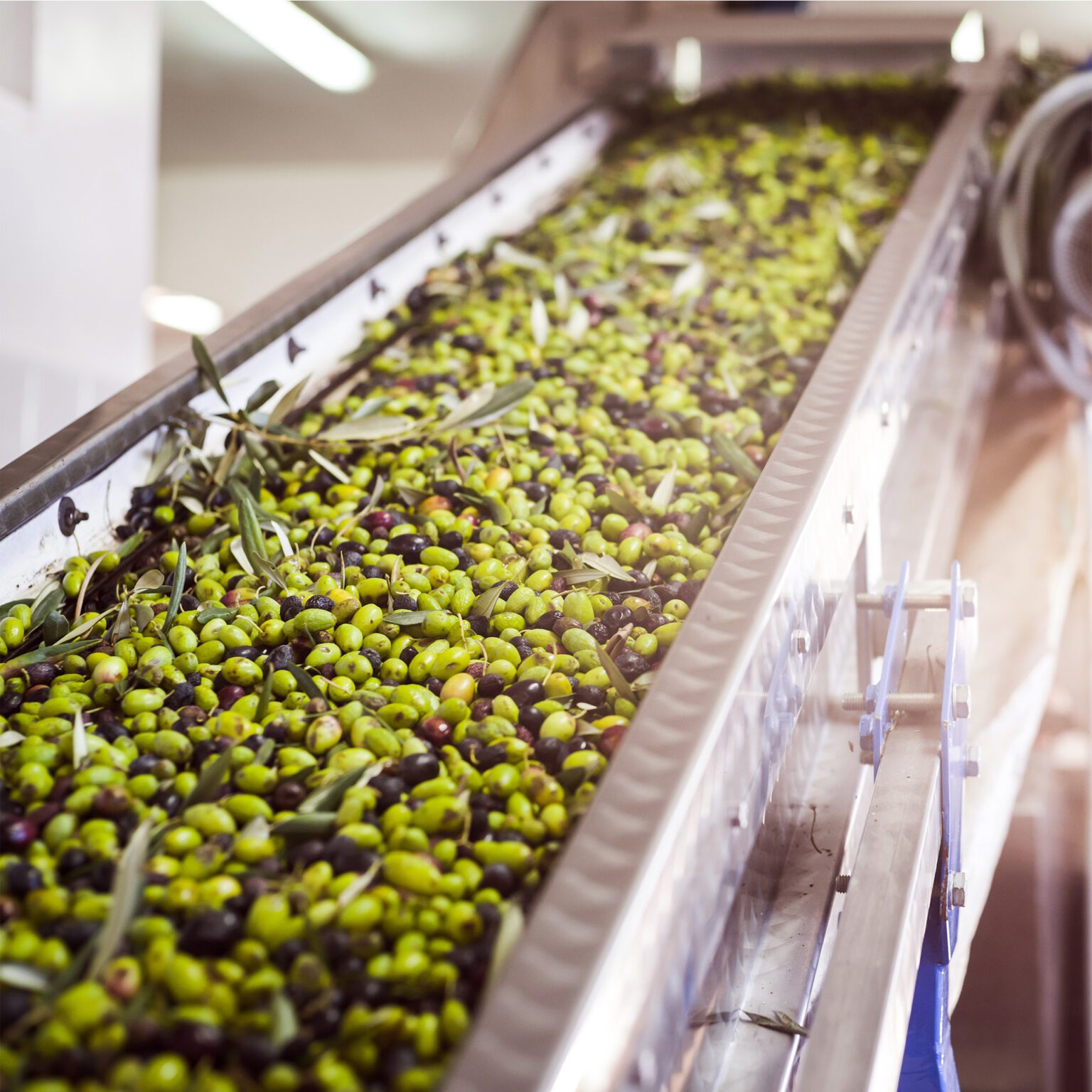
Machine downtime has a dramatic impact on throughput. When a slicer, deboner, or conveyor system goes offline, production decelerates -- or stops altogether. Predictive maintenance proactively schedules servicing and prevents unexpected breakdowns that halt production.
Combining predictive maintenance with AI-driven quality control ensures that both product quality and machine reliability are preserved, further elevating throughput. Processing plants that adopt predictive maintenance strategies encounter fewer unexpected slowdowns, enabling them to raise throughput by keeping their lines operating at peak efficiency.
Refine Workflow and Plant Layout
Even with superior technology and a skilled workforce, a poorly planned plant layout introduces inefficiencies that constrain throughput. Food processors must ensure their workflow is designed for speed, minimal movement, and smooth transitions between stations.
How Suboptimal Layout Design Limits Efficiency
- Workers traveling long distances between stations.
- Material congestion at high-traffic areas.
- Sorting and inspection positioned too far from critical processing zones.
How Food Processors Can Improve Plant Layouts
- Shorten walking distance between trimming, packaging, and inspection stations.
- Locate quality control closer to the line to reduce handling time.
By catching errors before they necessitate rework, food processors can lower waste and raise throughput without compromising product quality.
Drive Throughput and Elevate Profitability
To maintain a competitive position, food processors must raise throughput while managing yield, quality, and staff performance effectively. By deploying automation, AI-driven quality control, predictive maintenance, and optimized plant layouts, food processors can realize greater efficiency and stronger profitability.
Furthermore, improving throughput is not solely about accelerating speed -- it is about sustaining consistent quality and eliminating inefficiencies. Processors that achieve higher throughput while upholding premium product standards will hold a competitive advantage in an industry that requires both volume and precision.
With operational costs on the rise, the ability to produce more while minimizing waste has never been more important. Companies that adopt AI-driven solutions and automation will be better equipped to navigate future challenges, from labor shortages to shifting supply chain demands. With consumer demand continuing to grow, now is the time for processors to refine their operations and leverage smart technology to stay ahead.
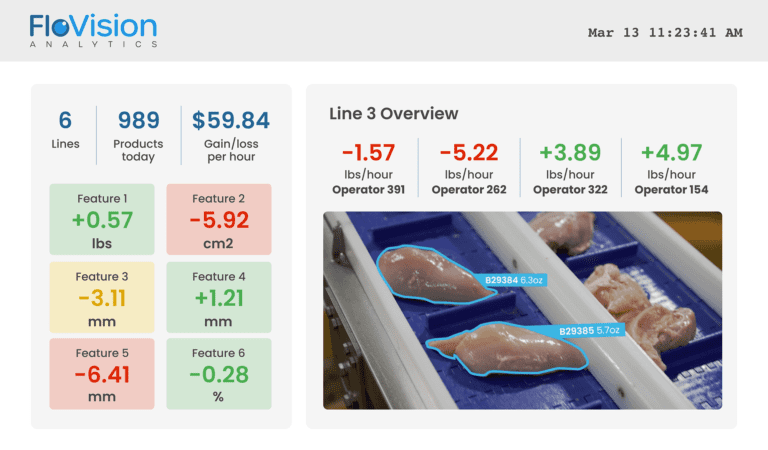
FLOVISION NANO
Compact AI sensor for measuring yield and quality at full production speed.
FLOVISION PRO
Modular AI station for enhancing yield, quality, and workforce capabilities.