
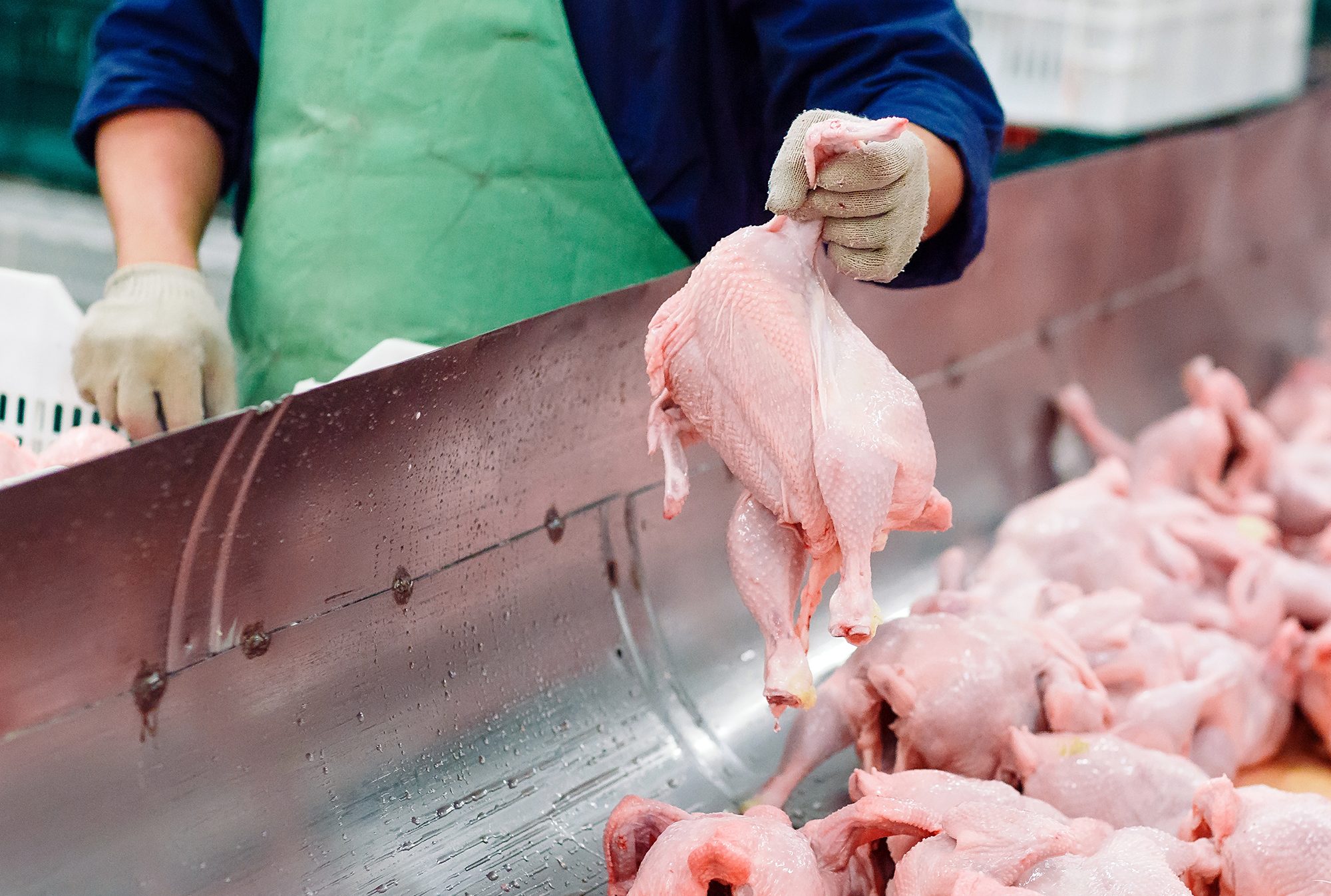
Poultry production is a critical component of the global food industry, serving as a leading source of affordable protein for billions of people. From large-scale, technologically advanced processing plants in the United States to smallholder farms throughout Africa and Asia, the methods by which poultry is raised, processed, and consumed vary significantly across regions.
These variations are driven by culture, economic development, government regulations, access to technology, and consumer preferences. Examining how poultry production differs around the world offers valuable perspectives for producers and processors aiming to innovate, enhance efficiency, and stay competitive in a shifting market.
Below, we survey poultry production region by region to illustrate how scale, technology, regulations, labor, and innovation shape this essential industry.
Scale and Consumption Patterns Differ Widely
The global scope of poultry production is vast. According to the Food and Agriculture Organization (FAO), over 142 million metric tons of poultry meat were produced globally in 2023, establishing it as the most consumed animal protein worldwide.
However, the distribution and consumption of poultry is far from even. The United States, for instance, ranks among the largest producers, generating more than 30 million metric tons annually. Another leading producer, China, was also the largest importer of poultry in 2023, driven by its vast population and appetite for fresh poultry.
In Europe, per capita poultry consumption is elevated, and consumers tend to prefer specific cuts such as breasts or thighs, frequently generating a robust export market for less favored portions.
Meanwhile, regions such as Africa and South Asia are experiencing rapid demand growth, yet production often falls short of consumption. These regions depend heavily on imports or small-scale production to satisfy local needs, presenting both challenges and opportunities for expanding infrastructure and raising quality standards
Examining how poultry production differs around the world offers valuable perspectives for producers and processors aiming to innovate, enhance efficiency, and stay competitive in a shifting market.
Technology Adoption Across Regions
The degree of automation and technological sophistication in poultry production varies dramatically worldwide.
In North America and Western Europe, poultry plants are generally outfitted with sophisticated processing lines, robotics, and computer vision systems that deliver high levels of precision and hygiene. These regions have made substantial investments in AI-powered technologies to track yield, assess quality, and minimize human error. Automation adoption is accelerating across EU poultry plants, especially for quality grading and efficiency enhancements.
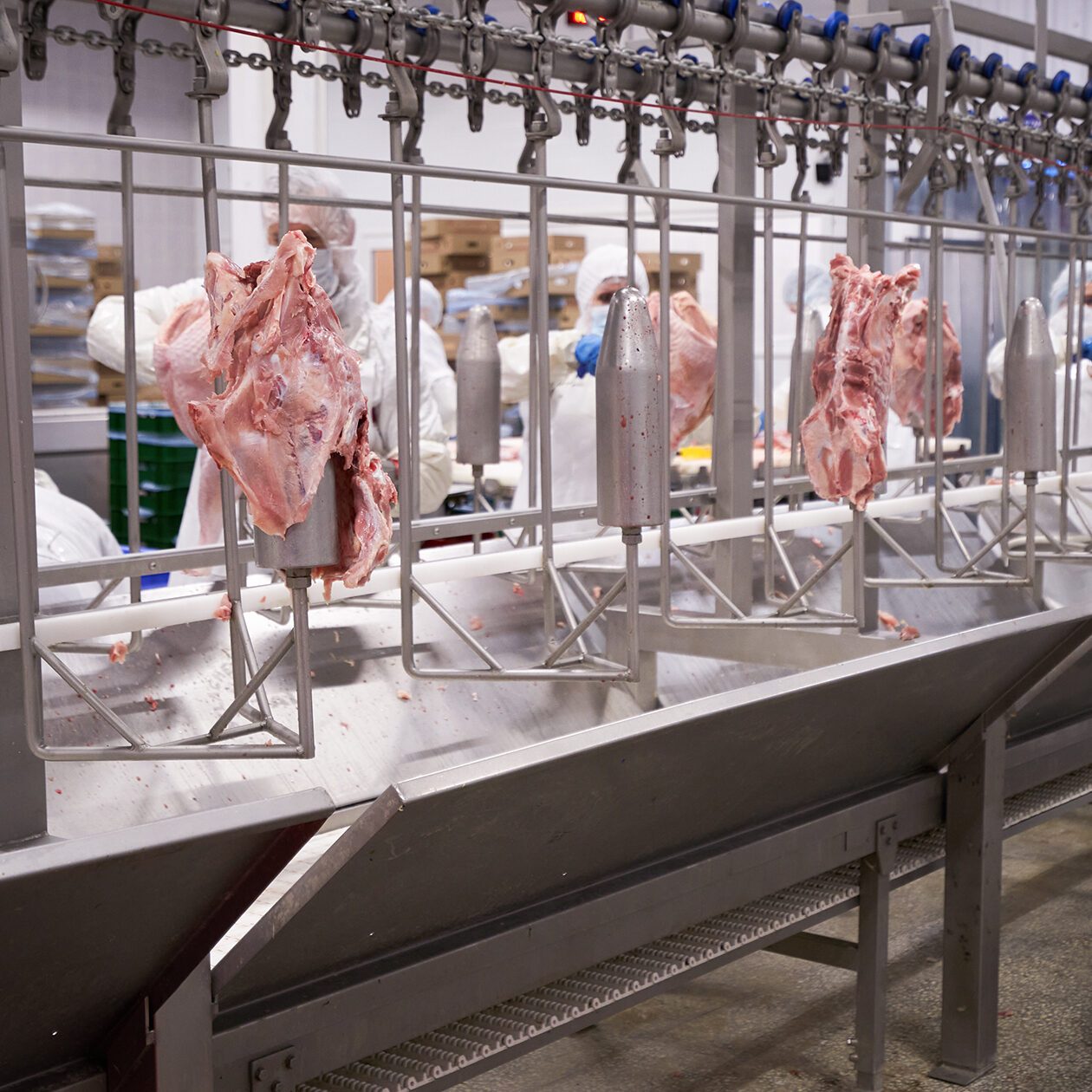
As automation becomes increasingly accessible, mid-sized processors are starting to embrace scalable technologies that deliver yield and quality gains. For instance, systems like FloVision Nano provide producers with full visibility into their production along with data on yield and quality performance, all without interfering with existing production equipment or workflows.
At the opposite end of the spectrum, many processors in Latin America, Southeast Asia, and Sub-Saharan Africa continue to rely predominantly on manual labor. The obstacles are frequently cost-related, but also arise from supply chain constraints or a shortage of skilled technical workers.
The worldwide trend is unmistakable: those who implement smart systems early are securing a competitive advantage in both quality and efficiency.
Regulatory Standards Shape Processing Approaches
Government regulations play a major role in defining poultry production practices, especially in processing and food safety.
In the European Union, rigorous regulations govern animal welfare, stunning procedures, antibiotic use, and traceability. For instance, veterinary antibiotic use in European livestock (including poultry) has decreased by 43.2% from 2011 to 2020. These requirements compel processors to follow specific handling and documentation practices, adding operational complexity while also building an export-friendly reputation for quality and compliance.
The United States likewise upholds stringent safety and inspection standards, with robust oversight by the USDA. However, welfare regulations can vary by state and are generally less restrictive than those in the EU. This flexibility often enables faster line speeds and larger scale but also introduces inconsistency in welfare practices.
By contrast, many emerging economies have less rigorous enforcement of food safety or animal welfare laws, though this is evolving quickly in regions prioritizing export growth or public health improvements.
Regardless of geography, processors that invest in vision systems like FloVision Nano or FloVision Pro obtain a tangible advantage -- not only in quality control, but also in documenting compliance with regulatory standards that can unlock access to new markets.
Labor and Supply Chain Challenges Shape Production
Labor availability and cost are pivotal factors influencing how poultry production is managed around the world.
In high-wage countries such as Germany, Canada, and the Netherlands, a shortage of skilled workers and escalating costs have hastened the transition to automation. Many of these regions rely significantly on migrant labor, and any disruption (e.g., COVID-19 or policy changes) substantially affects production.
In contrast, countries like India, Vietnam, and Nigeria have large pools of affordable labor but frequently lack the training programs or infrastructure necessary for efficient processing. This leads to greater product variation, reduced throughput, and more human error.
Labor costs can represent up to 60-70% of operational expenses in poultry processing. Minimizing rework and waste -- even in labor-intensive plants -- can yield substantial savings.
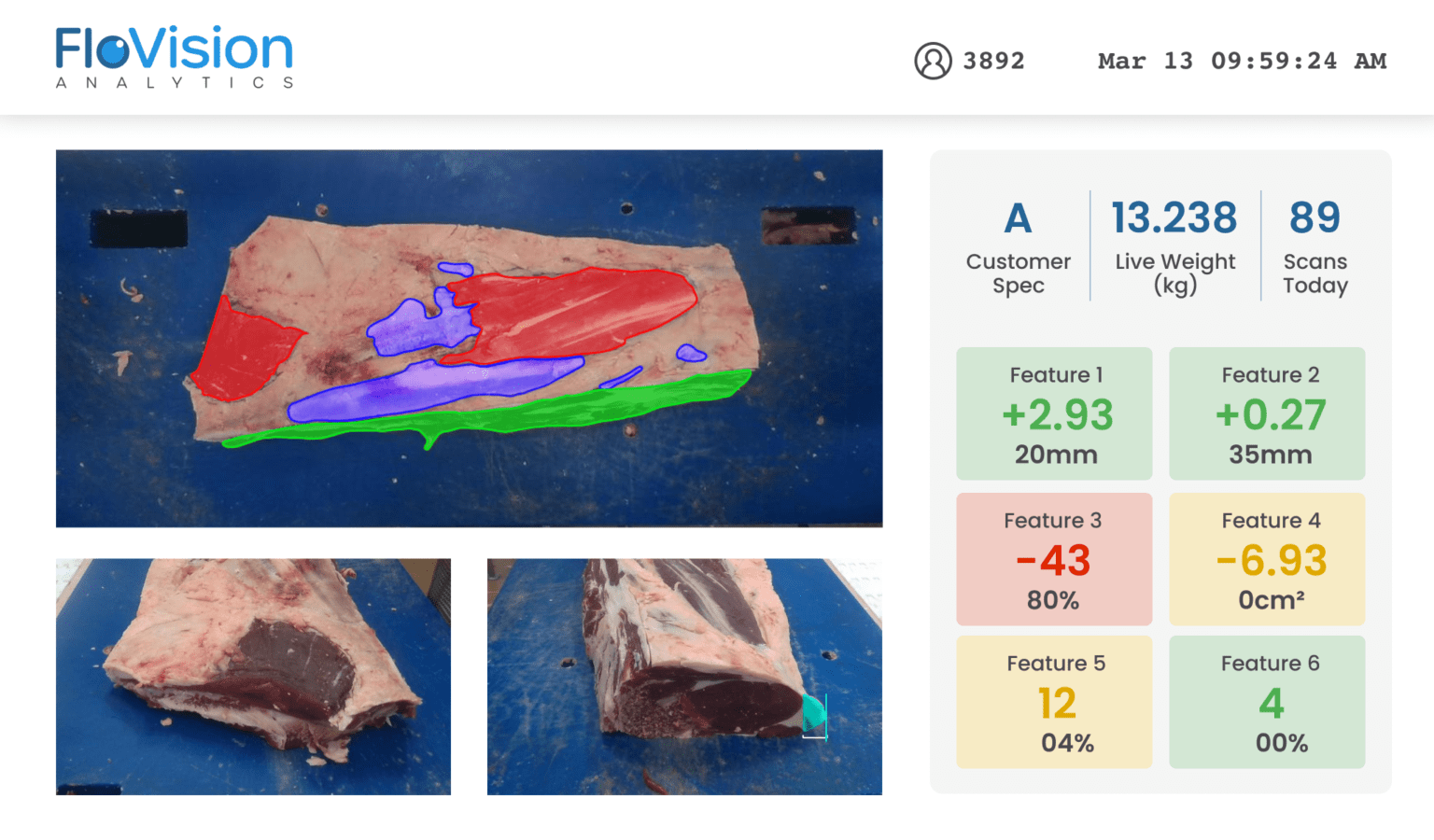
This is where intelligent feedback tools prove their value. In mid-sized facilities with high worker turnover, FloVision Pro provides real-time performance feedback that helps decrease inconsistencies and accelerate training for new staff -- all without interrupting existing line flow.
The worldwide trend is unmistakable: those who implement smart systems early are securing a competitive advantage in both quality and efficiency.
Regional Challenges and Innovation
Each region confronts its own distinct challenges in poultry production -- but also introduces unique innovations in response.
In Africa, cold chain infrastructure represents one of the greatest barriers to scaling up production. The absence of reliable refrigeration and transport systems results in elevated food loss rates. Nevertheless, some startups are deploying solar-powered cold storage and mobile slaughter units to help smallholders deliver safer products to market.
Latin America, particularly Brazil, is a dominant force in poultry exports but must continually address disease outbreaks, environmental concerns, and evolving global trade dynamics. Investments in genetics, disease monitoring, and automation are enabling the industry to sustain its competitive position.
In Asia, especially in China, Thailand, and India, the transition from wet markets to industrial production is well advanced. Demand for processed poultry is surging, bringing with it an expanding need for food safety, yield optimization, and traceability.
Vision systems like FloVision Pro are seeing growing adoption in modernizing plants, helping to cut waste, sharpen product grading accuracy, and sustain high throughput -- all vital considerations in volatile, fast-paced markets.
One Industry, Diverse Realities
Poultry production across the globe reflects a blend of tradition, innovation, and adaptation. From small family-operated plants to large, fully automated facilities, every region tackles the same fundamental challenge -- feeding a growing population -- in its own distinctive manner.
What connects them all is the imperative to enhance efficiency, consistency, and quality. As regulatory requirements intensify and labor becomes less predictable, processors everywhere are turning to data and automation to maintain their competitive standing.
Whether you operate a compact regional plant or a global-scale facility, FloVision Nano and FloVision Pro deliver practical solutions to streamline grading, minimize error, and future-proof your lines -- without necessitating a facility overhaul.
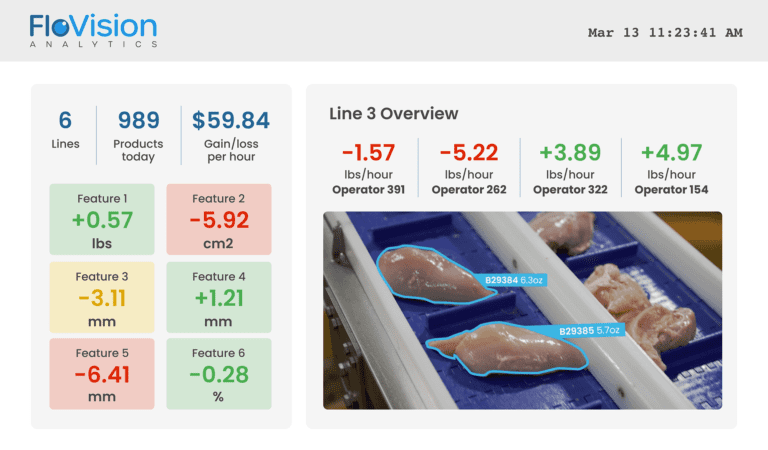
FLOVISION NANO
Compact AI sensor for measuring yield and quality at full production speed.
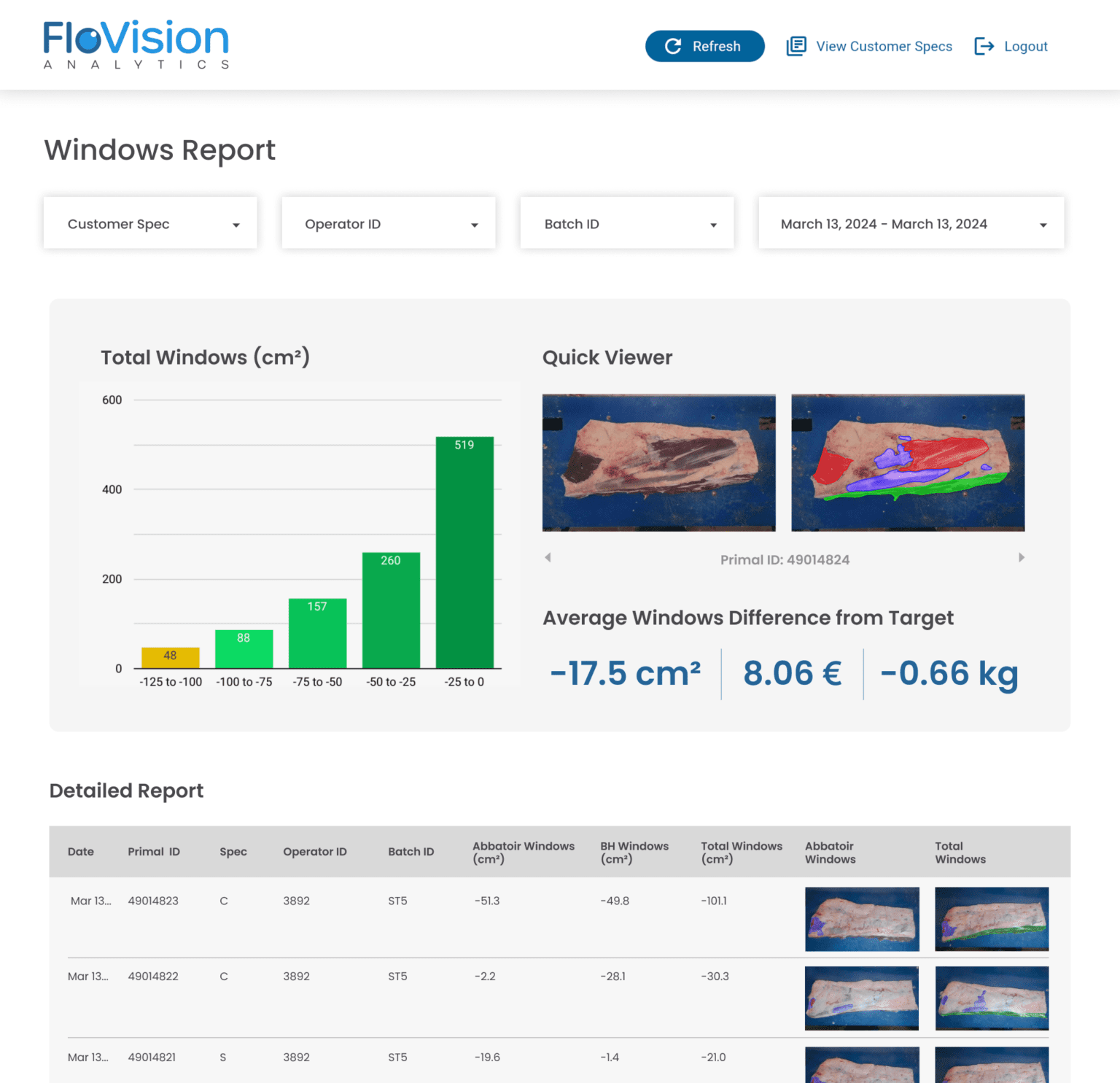
FLOVISION PRO
Modular AI station for enhancing yield, quality, and workforce capabilities.