Farming and Agriculture
Precision Agriculture
AI in food industry applications reaches into farming and agriculture, where it is reshaping conventional practices. According to MarketsandMarkets Research, AI in agriculture is projected to expand from 1.7 billion USD in 2023 to 4.7 billion USD by 2028.
Agricultural systems leverage AI to assess soil conditions, track crop health, and forecast yields. Drones and sensors gather real-time data, which AI algorithms analyze to deliver actionable insights. This technology empowers farmers to optimize resource usage, lower environmental impact, and boost crop yields, demonstrating the transformative capabilities of AI in agriculture.
Livestock Management
Beyond crop farming, AI in food industry practices is also advancing livestock management. AI applications track animal health and behavior, allowing farmers to identify illnesses early and fine-tune feeding schedules. By analyzing livestock data, AI helps enhance productivity and welfare, ensuring that animals remain healthy and properly cared for. This application of AI supports more sustainable and efficient livestock and farming operations.
AI in agriculture is projected to expand from $1.7 billion in 2023 to $4.7 billion by 2028...This technology empowers farmers to optimize resource usage, lower environmental impact, and boost crop yields.
Food Production
Pinpointing Areas of Yield Loss and Inefficiency
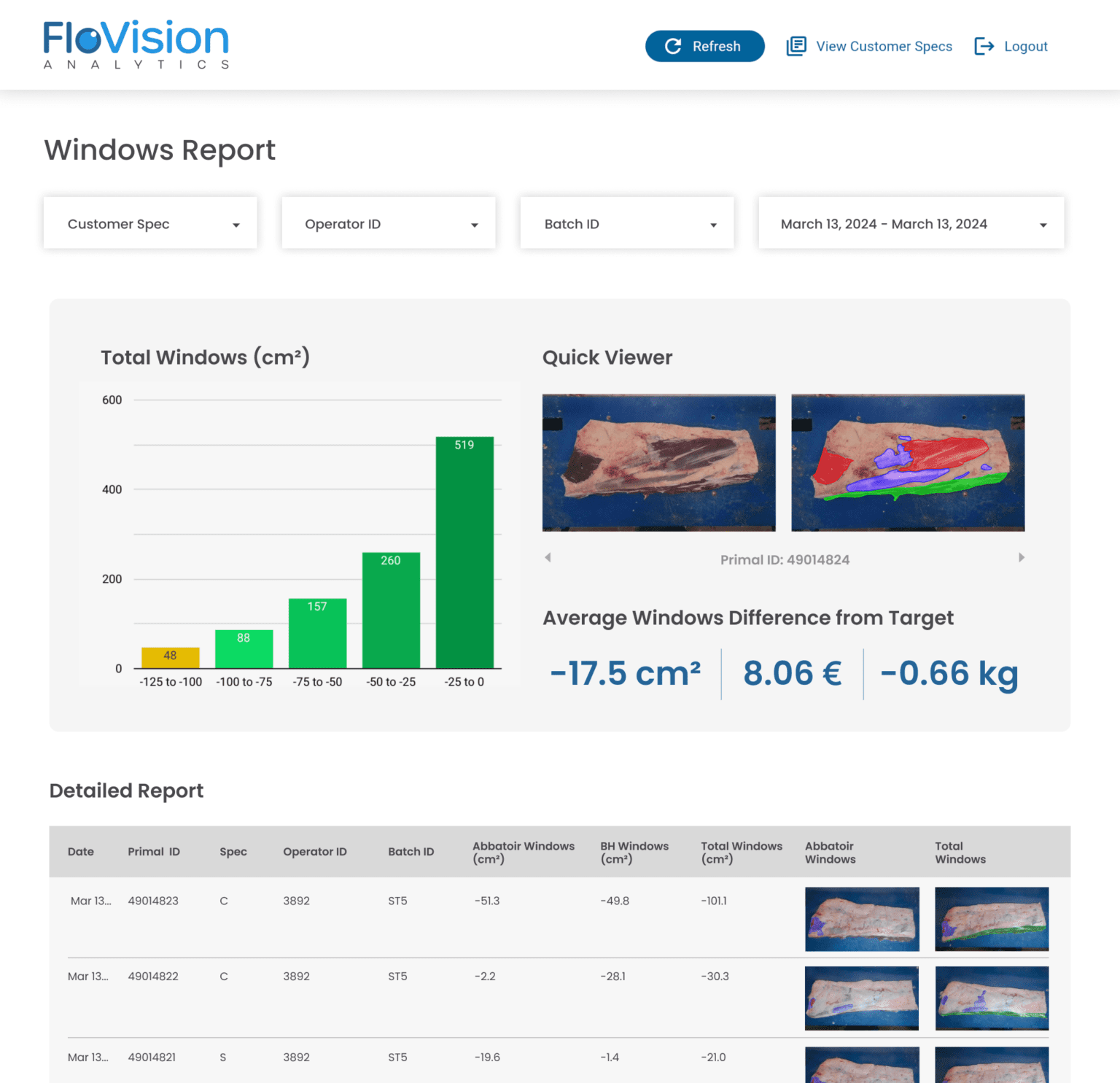
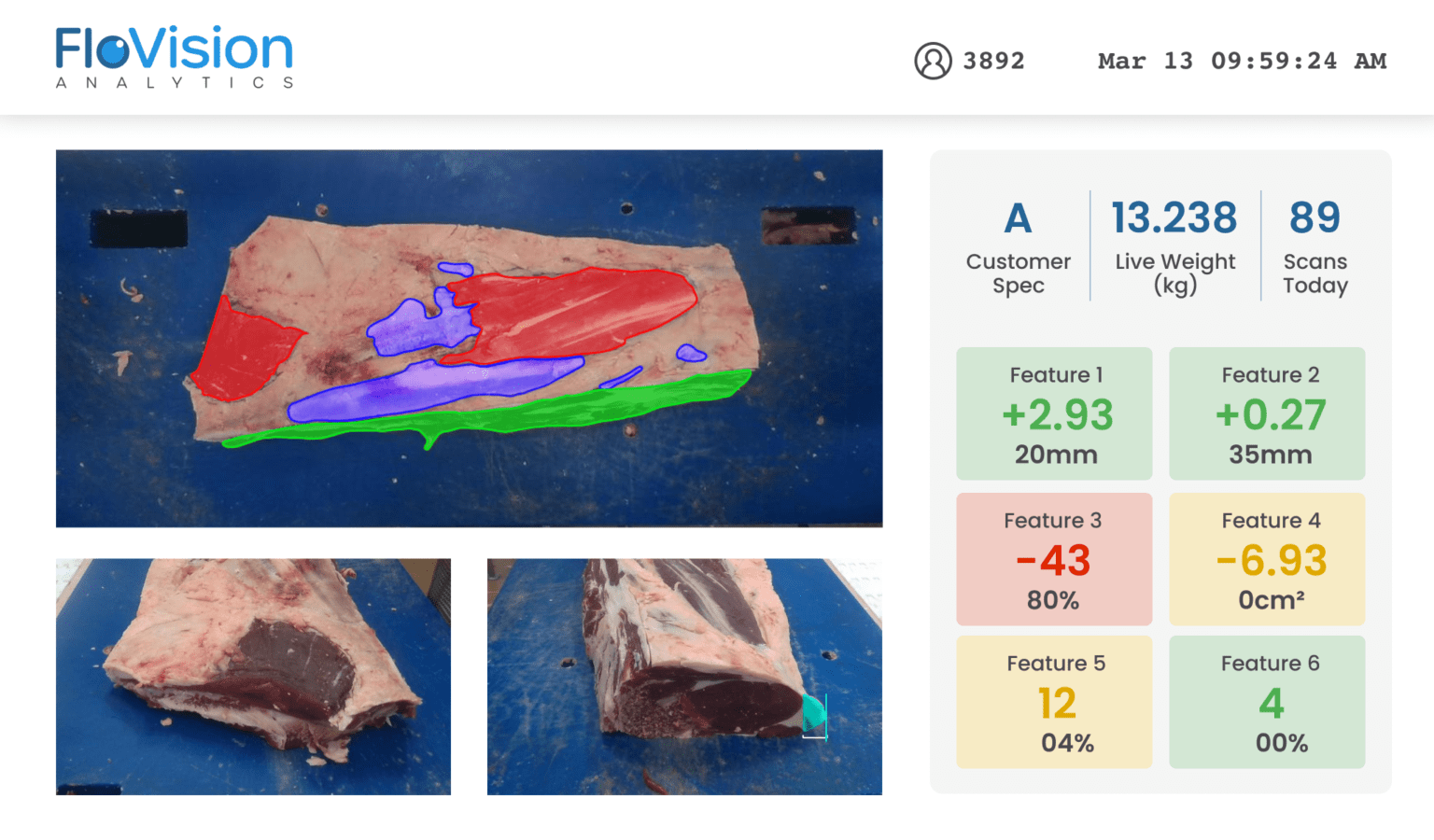
Among the most impactful contributions of AI in food production processes is its capacity to pinpoint areas of yield loss and operational inefficiency. AI systems such as the FloVision Nano analyze production line data to uncover inefficiencies, optimize operations, and cut waste. For example, by tracking the speed and accuracy of production, AI can locate where errors arise and recommend improvements. This results in significant cost reductions and higher yield, underscoring the vital role of AI in food manufacturing.
Quality Inspection of Food Items
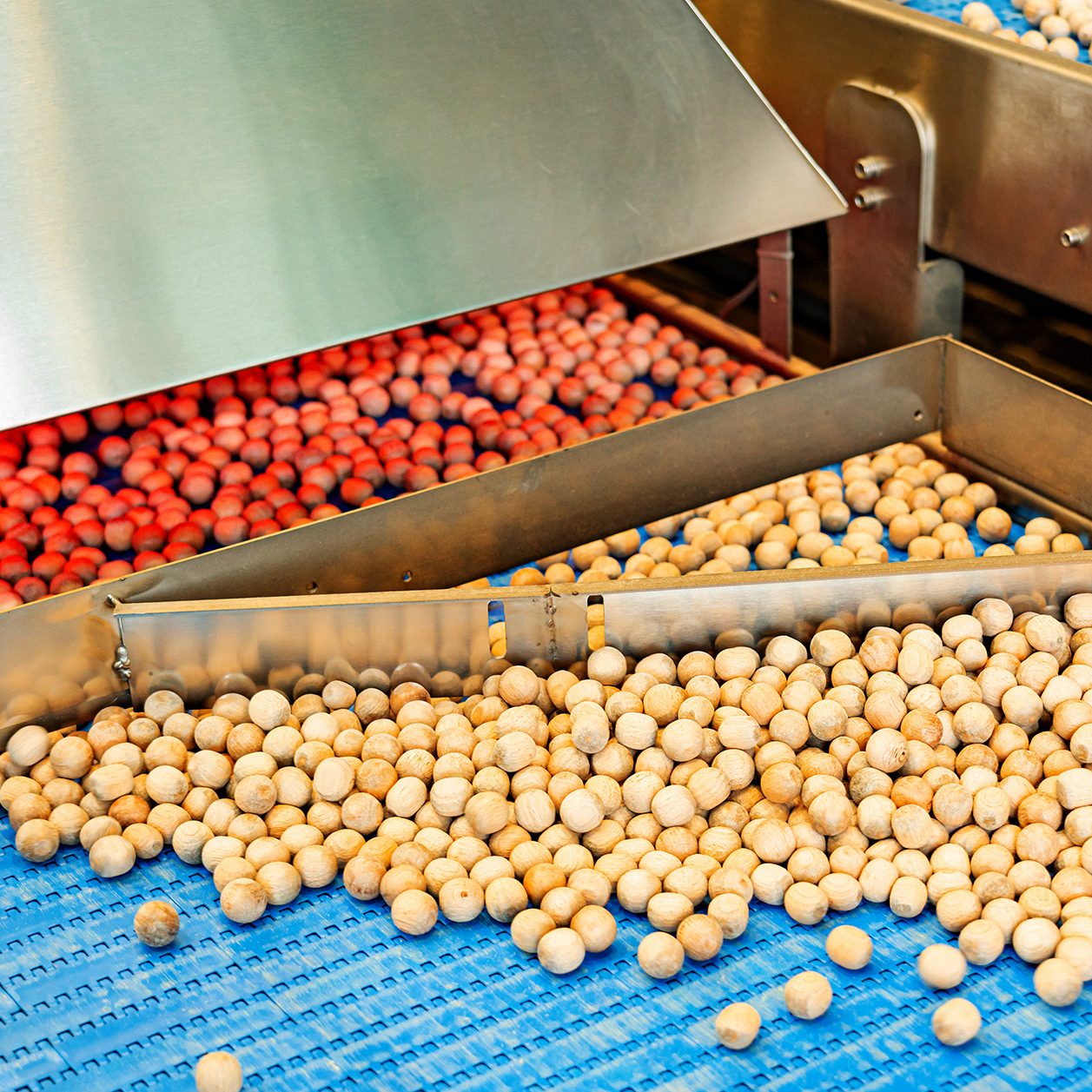
AI operates seamlessly within food production facilities to safeguard the quality and safety of food products. Automated inspection systems powered by AI can evaluate food items for defects, foreign objects, and overall quality. These systems employ computer vision and machine learning to identify anomalies that human inspectors might overlook. This guarantees consistent product quality and strengthens consumer confidence in food safety.
Data Processing for Insights and Forecasting
AI also serves a critical function in processing vast amounts of data to produce insights and forecasts. By evaluating data from multiple stages of the production process, AI can anticipate demand, streamline supply chains, and improve decision-making. Predictive analytics enable companies to foresee market trends, modify production schedules, and reduce waste. This capability highlights the significance of AI in food industry operations for driving efficiency and profitability.
Personalized Staff Training
AI in food industry applications extends beyond production into workforce development. AI systems such as FloVision Pro can evaluate individual employee performance and suggest tailored training programs accordingly. By monitoring worker activities and delivering feedback, AI facilitates ongoing skill development and improvement. This personalized approach ensures that employees are thoroughly trained, leading to stronger overall performance and productivity.
Scanning for Defects and Foreign Objects
Food safety is a paramount concern, and AI in food industry applications addresses this by scanning products throughout the production process. Advanced imaging systems equipped with AI can identify defects and foreign objects in food products in real-time. These systems use sophisticated algorithms to analyze images and detect contaminants that could present health risks. The capacity to conduct such thorough inspections ensures elevated safety standards and reinforces consumer confidence in food products.
Monitoring Food Items through Production
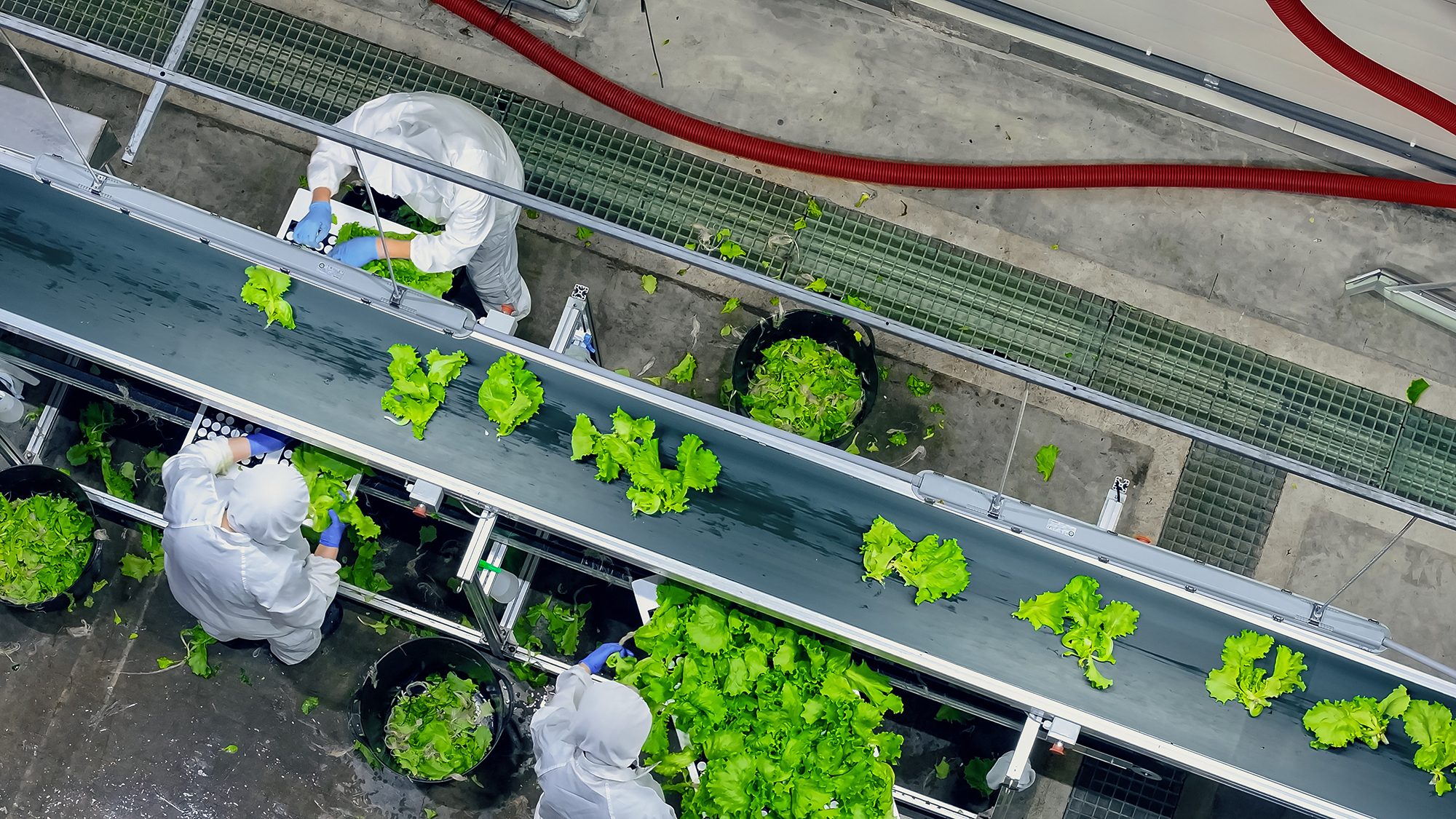
AI in food industry facilities can deliver product traceability well beyond human capabilities. AI-powered traceability systems follow food items through every stage of the production process, from raw materials to finished products. This degree of transparency is essential for accountability and quality control, both for the processor and their customers. By harnessing AI, companies can rapidly identify and resolve issues in the supply chain, ensuring that only the highest-quality products reach consumers.
Food Transport
Streamlining Supply Chain Logistics
AI in food industry logistics is essential for ensuring that food products arrive at their destinations efficiently and safely. AI algorithms enhance supply chain logistics by analyzing data on routes, weather conditions, and traffic patterns. This data enables real-time adjustments to delivery schedules, cutting delays and reducing food spoilage. According to McKinsey & Company, companies that adopt an AI-driven business planning platform can anticipate a 15% reduction in logistics costs.
Predictive Maintenance of Transport Vehicles
An additional application of AI in food industry transport is predictive maintenance. AI systems track the performance of transport vehicles, forecasting when maintenance is required to avoid breakdowns. This proactive strategy minimizes downtime and ensures that food products are transported without interruption. The incorporation of transport maintenance strengthens reliability and efficiency, ultimately producing a more seamless supply chain.
With a growing population anticipated to drive a 35-56% rise in food demand from 2010-2050, optimizing operations throughout the food industry is vital to reducing food waste.
Restaurants & Cafeteria
Elevating the Customer Experience
AI in food industry settings, including restaurants and cafeterias, centers on elevating customer experiences. AI-powered systems deliver personalized menu recommendations based on customer preferences and dietary requirements. Smart ordering systems harness AI to simplify the ordering process, shorten wait times, and enhance service quality, resulting in greater satisfaction and loyalty.
Operational Efficiency
Operational efficiency represents another area where AI in food industry establishments can create a meaningful impact. AI systems oversee inventory, predict demand, and optimize staffing levels to minimize waste and improve service. By anticipating peak periods and adjusting resources accordingly, AI enables restaurants to operate more efficiently and profitably. This operational advantage illustrates how AI in food industry settings can augment human tasks.
Grocery Stores & Retail
Smart Inventory Management
Grocery stores benefit from AI through intelligent inventory management systems. AI algorithms track stock levels, forecast consumer demand, and automate restocking processes. This ensures that shelves are consistently stocked with the products customers seek, lowering the risk of empty shelves or overstocking. This is evident in consumer preferences, with 69% of consumers preferring to shop with retailers that use automation technology.
Shelf Monitoring
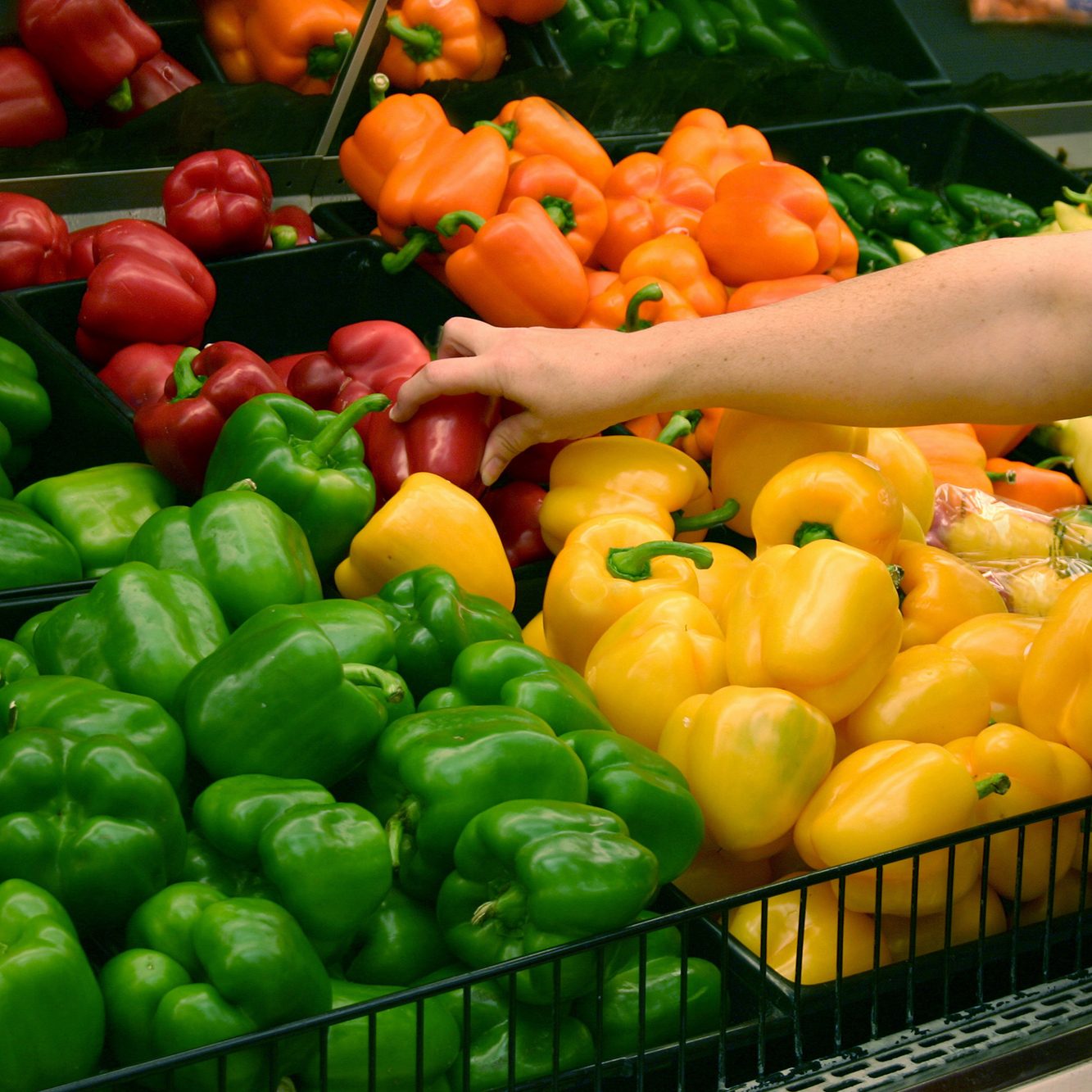
Shelf monitoring is a key application of artificial intelligence, utilizing AI-powered cameras and sensors to maintain an optimal customer experience. These advanced systems continuously observe the condition of shelves, notifying staff when items require restocking or when products are misplaced. This proactive strategy ensures superior organization and product availability, enhancing the shopping experience for customers. The deployment of AI in shelf monitoring not only decreases the likelihood of out-of-stock items but also boosts overall store efficiency, ensuring that shelves remain well-stocked and orderly.
The Future of AI in the Food Industry
The adoption of AI in food industry practices is reshaping every facet of the food supply chain, from production and farming to transport and retail. With the growing population expected to drive a 35-56% increase in food demand from 2010-2050, optimizing operations throughout the industry is vital to reducing food waste. By uncovering inefficiencies, maintaining quality, strengthening staff performance, and enhancing customer experiences, AI is supporting food industry leaders worldwide in this endeavor. As technology continues to advance, the potential for AI in the industry will only expand, opening the path to a more efficient, sustainable, and consumer-focused food ecosystem. Adopting AI in food industry operations is essential for remaining competitive and addressing the demands of a rapidly evolving world.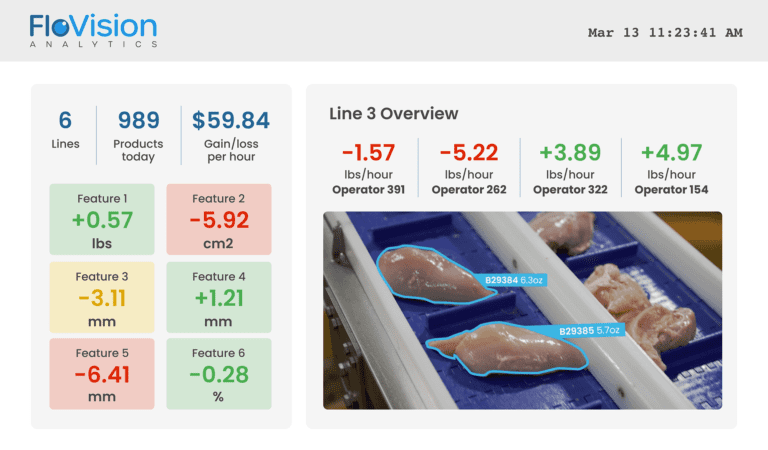
FLOVISION NANO
Compact AI sensor to measure yield and quality at production speed.