
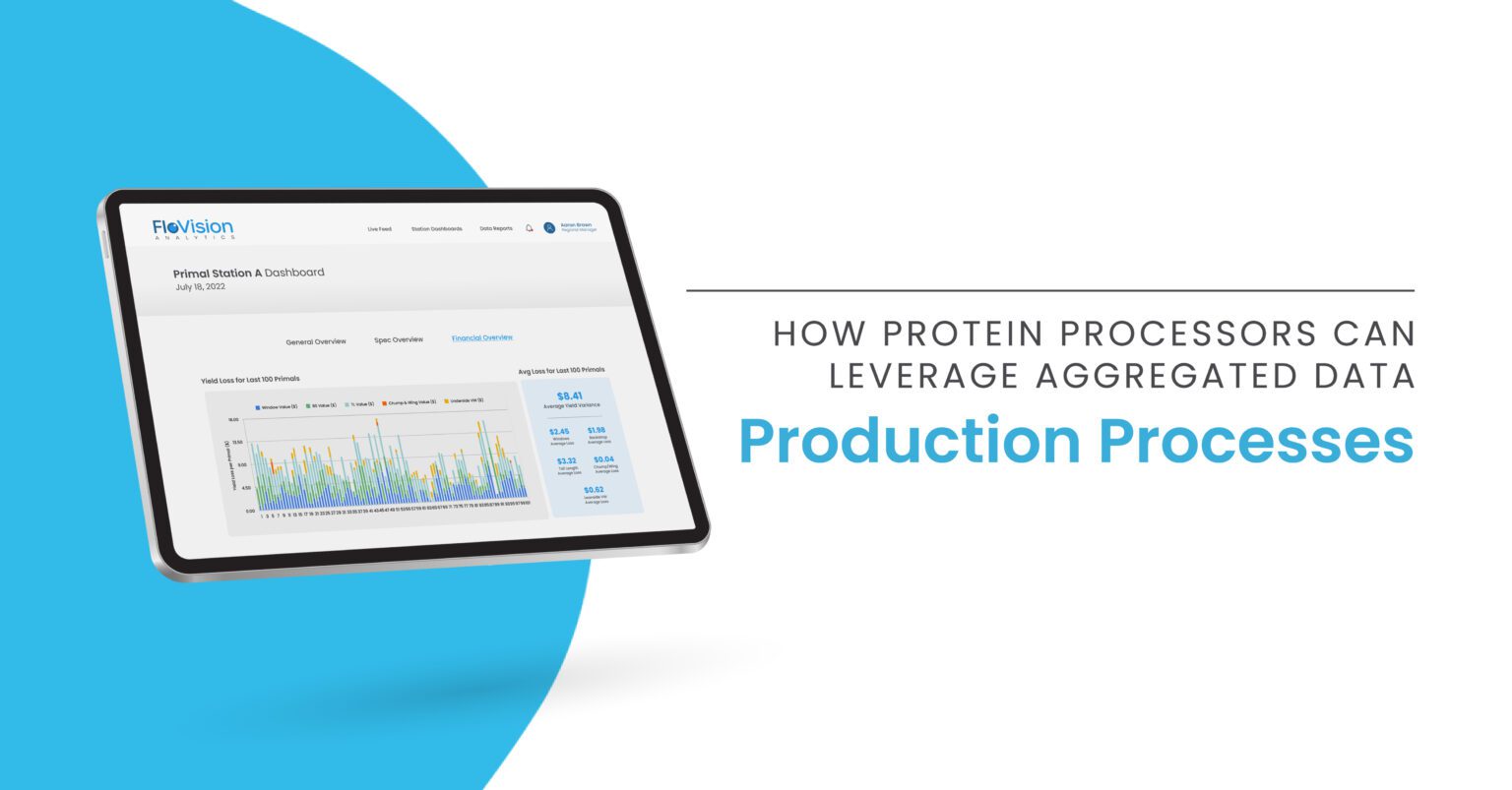
On the production floor, managers monitor the butchering process and direct cuts to particular customers according to their specifications. This depends on managers making repeated individual judgments, whereas aggregated data can uncover specification trends and inform new process strategies.
Management can additionally utilize data to detect areas where product is classified incorrectly, such as visual lean (lean point) trims, and rectify errors to extract maximum value from the yield. They can further refine these lines by applying pricing data and allocating body fat and lean to the most profitable breakdowns. Collected data can also advise plant managers on ideal staffing configurations and the optimal timing for specific tasks.
In summary, aggregated data serves as an essential resource for protein processors, enabling them to enhance both yield and product quality. By applying this intelligence to identify improvement opportunities and refine processes, processors can deliver higher-grade products to their customers and maximize profitability.
Discover our sirloin primal aggregated data tool for protein processors, FloVision Primal.