
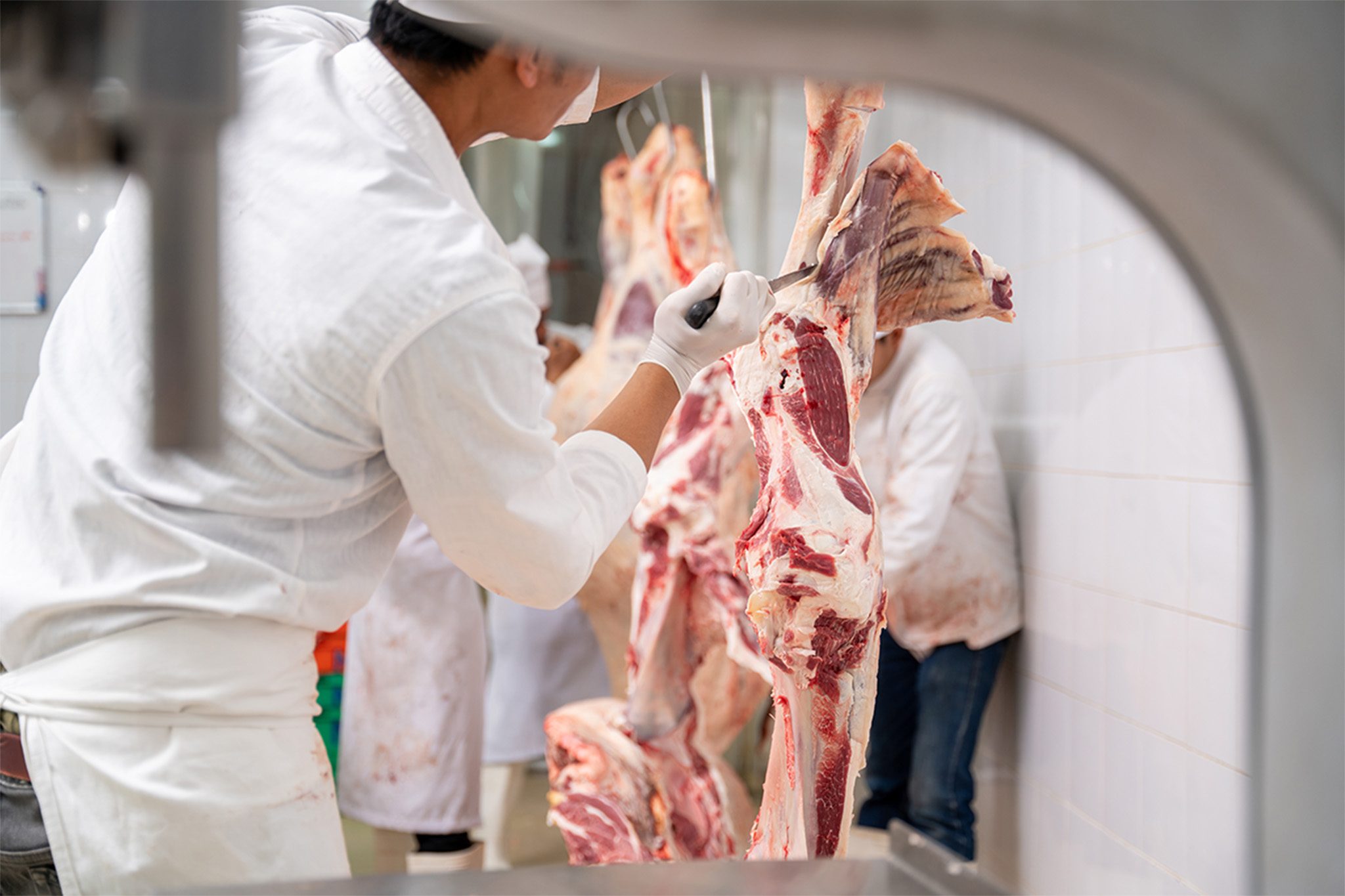
Recognizing Food Production Staffing Challenges
Food production companies confront a distinct set of obstacles when it comes to recruiting and managing employees. The food industry is defined by high turnover (approximately 30% annually in the US) and evolving skill requirements, making the recruitment and retention of capable employees a pivotal factor in sustained business growth and stability.The Current Landscape
Numerous production facilities function on narrow margins with rigorous quality standards. When staffing difficulties emerge, the entire operation can be affected. Understaffed production lines contribute to delayed shipments, inconsistent product quality, and heightened safety risks. Furthermore, the urgency to onboard new hires rapidly places additional pressure on managers already contending with hiring difficulties.Impact on Production
The consequences of these challenges are wide-ranging:- Reduced Productivity: With fewer experienced workers on hand, production output declines.
- Increased Errors: New or overburdened employees are more susceptible to mistakes that cause product defects or safety incidents.
- Safety and Compliance Risks: In an industry where safety standards are critical, any gap in training can lead to regulatory complications.
- High Costs: Frequent recruitment and continual training elevate operational costs, making it more difficult to sustain profitability and robust production staffing.
Acknowledging these challenges is the initial step toward building a thorough strategy to protect production.
The food industry is defined by high turnover and evolving skill requirements, making the recruitment and retention of capable employees a pivotal factor in sustained business growth and stability.
Strategies to Protect Against Production Staffing Shortages
A multi-pronged approach is necessary to tackle these issues. Below are several essential strategies:
Optimizing Recruitment Efforts
Employing data-driven recruitment methods can help identify where the most qualified candidates reside, thereby enhancing your overall talent acquisition. By examining hiring trends and employee data, companies can fine-tune their recruitment strategies to attract candidates who are both skilled and culturally aligned, ultimately fortifying their production staffing.
Improving Retention Rates
Keeping skilled workers means providing compensation packages that acknowledge job demands and directly reward outstanding performance. By pairing competitive base wages with performance-based bonuses, comprehensive health benefits, and flexible scheduling, companies can cultivate a motivating environment. This approach not only recognizes excellence but also elevates morale and productivity, ensuring that top talent remains within your core production staffing.
Investing in Training, Onboarding, and Continuous Improvement
One of the most vital areas for addressing staffing challenges is the training and onboarding process. Streamlined onboarding not only furnishes new hires with essential skills rapidly but also establishes the foundation for a culture of continuous improvement—an indispensable component for robust production staffing. In the current digital era, the methods for delivering and tracking training are undergoing a notable transformation.

Modernizing Onboarding with Digital Solutions
Conventional training methods frequently struggle to match the pace of today’s rapidly evolving production environments. Such methods can be time-intensive, inconsistent, and often fall short in capturing the granular performance metrics required for continuous improvement and effective production staffing. By comparison, digital systems revolutionize onboarding by supplying real-time data—enabling managers to receive ongoing updates on operator performance without awaiting scheduled reviews—and guaranteeing consistency through standardized instruction for every employee.
These solutions also provide scalability, readily adapting to the needs of small teams or entire production lines, and generate actionable insights that enable managers to make well-informed decisions about training initiatives and staffing modifications. Solutions like FloVision Nano and FloVision Pro continuously evaluate individual operator output, recording detailed performance data to uncover patterns and trends, and enable prompt training interventions. The outcome is an optimized training process that speeds up learning and improves overall production by cutting errors, minimizing downtime, and reinforcing solid production staffing.
Integrating Performance Monitoring into Training
Contemporary digital platforms can monitor individual progress in real time. Systems such as FloVision Nano and FloVision Pro simplify onboarding by tracking the performance of each operator on the production line. These tools automatically evaluate output data and highlight areas where additional support or further training may be necessary, ensuring that each worker is positioned optimally within the production process. For instance, if an operator repeatedly encounters difficulty with a specific task, the system flags this pattern, triggering targeted retraining or reassignment to a role where their strengths can be more effectively applied—all of which ultimately reinforces sound production staffing.
Principal Advantages of a Digitally Enhanced Onboarding Process
- Accelerated Learning Curve: New hires rapidly absorb essential procedures and best practices, shortening the path to full productivity and bolstering strong production staffing.
- Consistent Training Quality: Digital modules guarantee that every employee, regardless of start date, receives identical instruction and evaluation.
- Real-Time Feedback: Immediate insights from tools such as FloVision Nano and FloVision Pro enable managers to act promptly, refining training programs as needed.
- Empowered Management: Armed with detailed performance data, managers can make well-informed decisions that elevate overall efficiency and safety on the production floor.

Cross-Training and Skill Diversification
In addition to modernizing recruitment and training, cross-training employees can deliver much-needed flexibility on the production floor. Workers who cultivate skills in multiple areas build a more versatile and resilient workforce. This strategy not only helps bridge staffing gaps when they arise but also keeps employees motivated by expanding their skill sets.Strategic Partnerships and Outsourcing
At times, internal efforts alone may prove insufficient to address staffing challenges. Collaborating with staffing agencies, technical schools, or specialized training providers can supply additional support. These partnerships can establish a reliable pipeline of skilled workers and complement in-house training programs with specialized resources.Workers who cultivate skills in multiple areas build a more versatile and resilient workforce.
Execution Strategies for a Resilient Workforce
Adopting these strategies demands careful planning and effective execution. Here is how you can weave these approaches into your production operations to reinforce your staffing efforts:
Step-by-Step Integration
- Evaluate Current Processes: Start by reviewing your existing recruitment, training, and performance monitoring methods. Determine where the largest gaps exist and which immediate changes can deliver the greatest impact on your staffing challenges.
- Develop a Comprehensive Plan: Build a roadmap encompassing enhanced recruitment strategies, strengthened retention, investment in digital training solutions, and cross-training programs—all directed at fortifying your workforce.
- Pilot Digital Solutions: Prior to a full-scale rollout, consider testing digital tools such as FloVision Nano and FloVision Pro on a single production line. This allows you to gauge the benefits, resolve any issues, and perfect the implementation process.
- Train Your Managers: Confirm that your management team is proficient in utilizing these new tools. Their capacity to interpret the data and respond accordingly is essential to the success of your strategy.
- Monitor and Adjust: Following implementation, continuously track key performance indicators such as training completion rates, production uptime, error reduction, and employee retention. Apply this data to make iterative refinements to your processes.
Change Management
Transitioning from traditional methods to a technology-enhanced approach can be demanding. Effective change management is critical:
- Communicate Clearly: Keep your employees informed about the rationale for the change and the advantages it will deliver. Transparency helps reduce resistance.
- Provide Adequate Training: Furnish your staff with both the technical skills and the understanding of how these tools will enhance their work.
- Solicit Feedback: Encourage employees to share their experiences and recommendations for improvement. This input is invaluable for fine-tuning the system.
Monitoring Success
To verify that your strategies are delivering results, establish clear KPIs:
- Training Completion Rates: Track how rapidly new hires finish their training.
- Production Uptime: Observe the overall efficiency of your production lines.
- Error Reduction: Quantify the decrease in production errors following implementation.
- Employee Retention: Monitor overall job satisfaction and turnover rates.
Maintaining a competitive edge requires investing in emerging technologies and sustaining proactive planning.
Future-Proof Your Production Staffing
The workforce challenges of today will not vanish overnight. To stay competitive, food production companies must be ready for continual change and shifting staffing demands.
Staying Agile
Adopting a mindset of continuous improvement is essential. By remaining attentive to industry trends and technological advancements, you can adjust your recruitment, training, and performance monitoring strategies accordingly. This adaptability not only addresses present challenges but also positions your organization for future disruptions.
Embracing Continuous Learning
Committing to ongoing employee development is a long-term strategy that yields significant returns. Routinely refreshing training programs and performance monitoring tools ensures that your workforce stays skilled, engaged, and prepared to confront new challenges. Fostering a culture of learning ultimately fortifies your overall staffing strategy.
Preparing for Future Challenges
Maintaining a competitive edge requires investing in emerging technologies and sustaining proactive planning. Whether adopting new digital tools, refining your training processes, or establishing strategic partnerships, being well-prepared will help you navigate the inevitable staffing challenges that accompany an evolving industry landscape.
Gain a Competitive Advantage in Staffing
Staffing challenges within the food production industry are complex, yet they are far from insurmountable. By executing a multi-pronged strategy encompassing improved recruitment practices, stronger retention programs, modernized training methods, and advanced performance monitoring, production managers can shield operations from the disruptive effects of labor shortages and elevate overall staffing effectiveness.
Digital solutions like FloVision Nano and FloVision Pro demonstrate how technology can deliver real-time insights into operator performance, identify areas for improvement, and ultimately foster a more efficient and safe production environment. Utilizing these tools in conjunction with other strategic initiatives—such as cross-training and strategic partnerships—enables companies to establish a resilient workforce that not only addresses today’s challenges but is also equipped for tomorrow’s opportunities in production staffing.
Adopt a proactive approach by assessing your current strategies and investigating innovative digital solutions to strengthen your production staffing. The advantages are evident: fewer errors, accelerated training, heightened productivity, and a safer workplace.
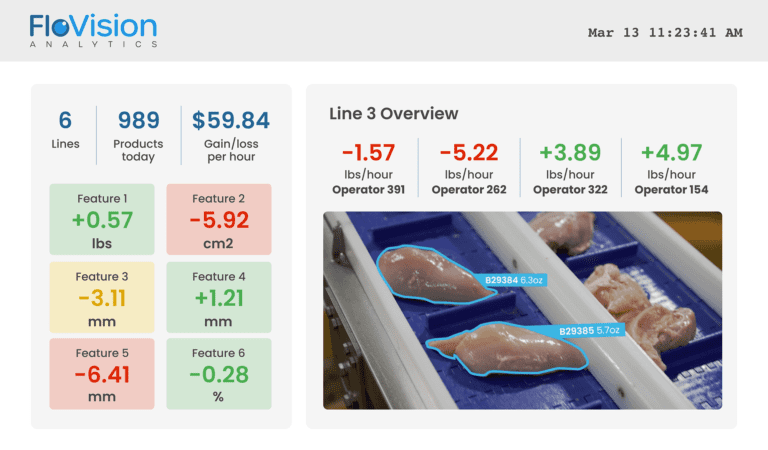
FLOVISION NANO
Compact AI sensor for measuring yield and quality at production speed.
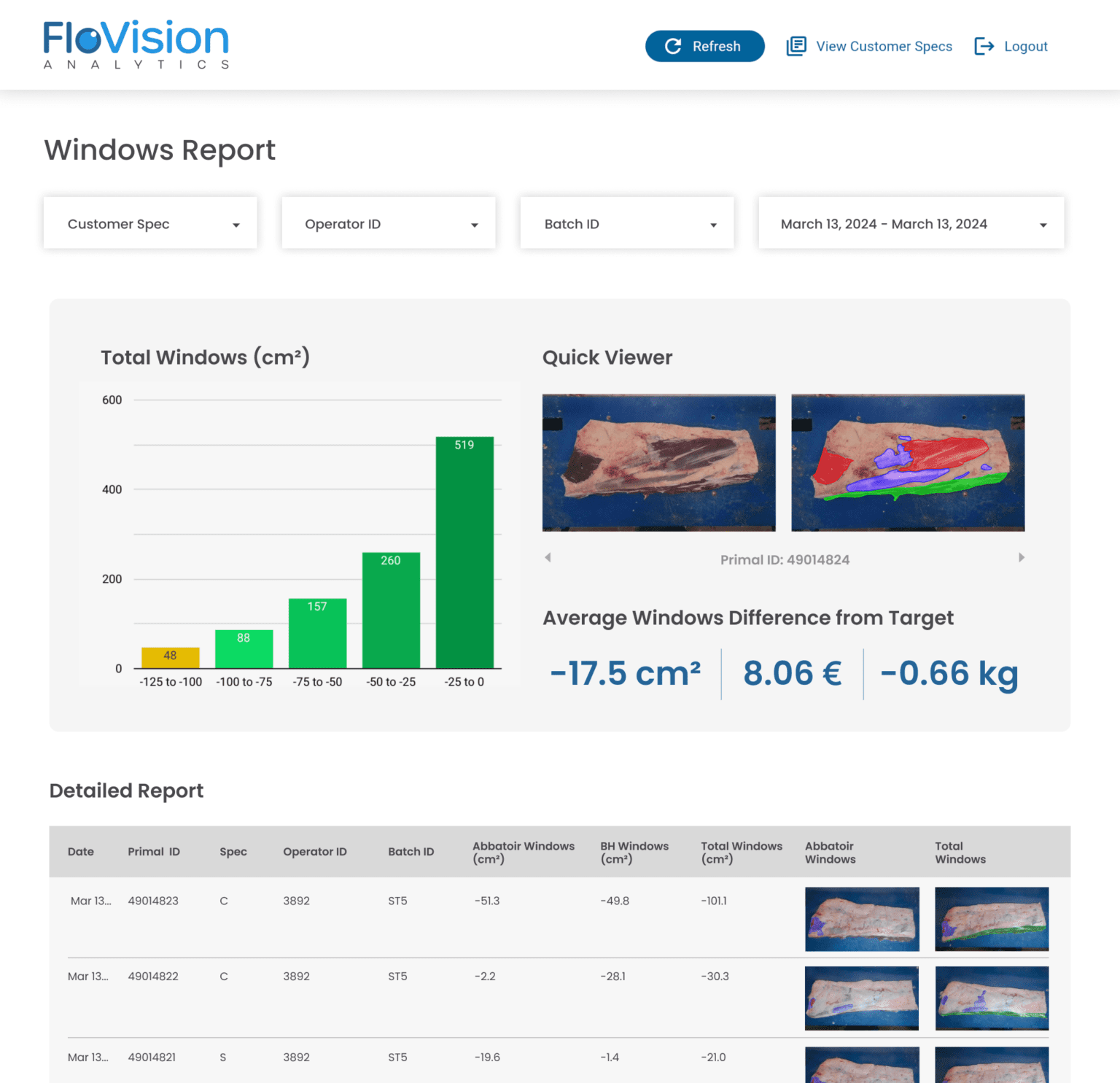
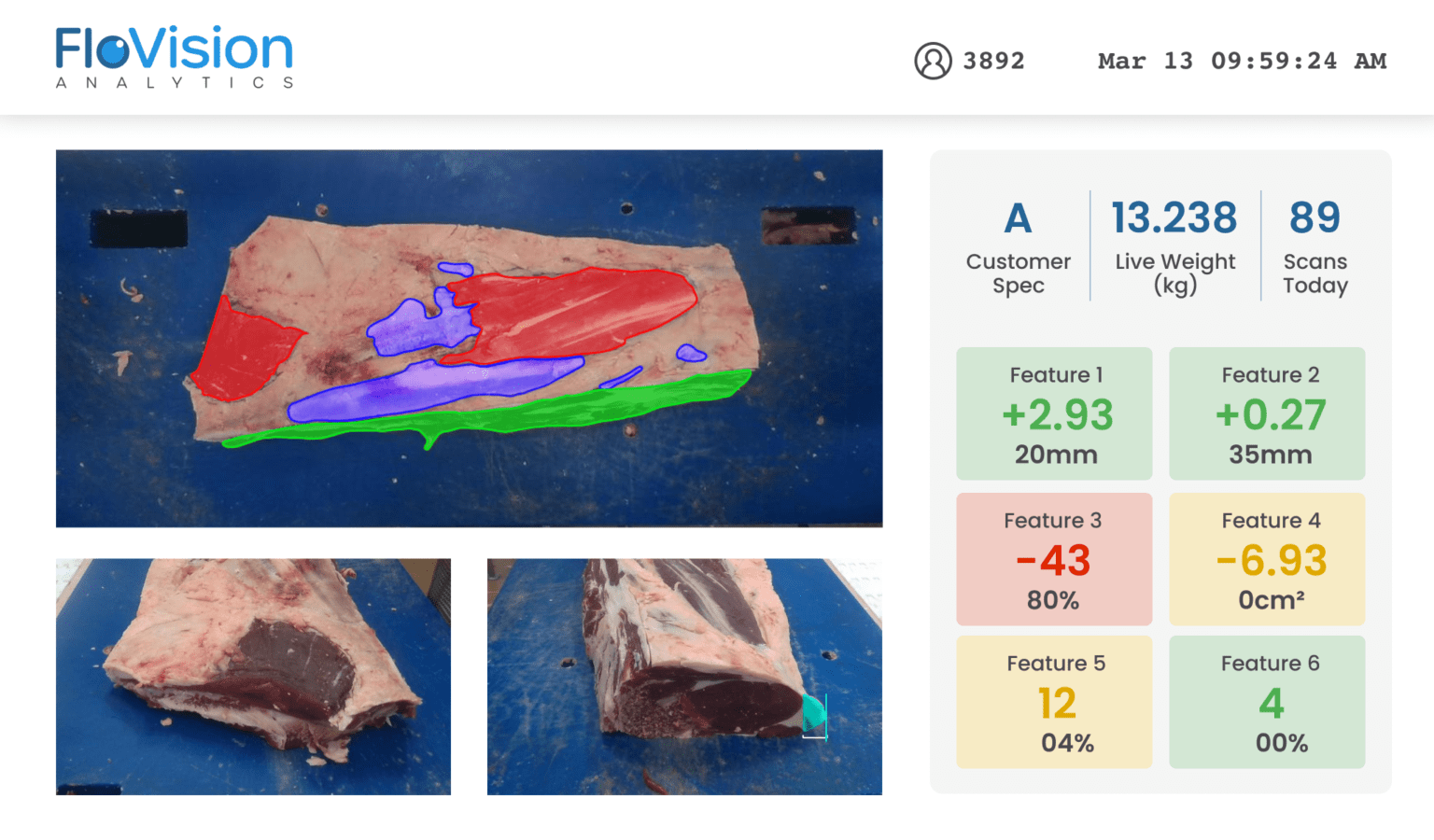
FLOVISION PRO
Modular AI station for enhancing yield, quality, and staff capabilities.