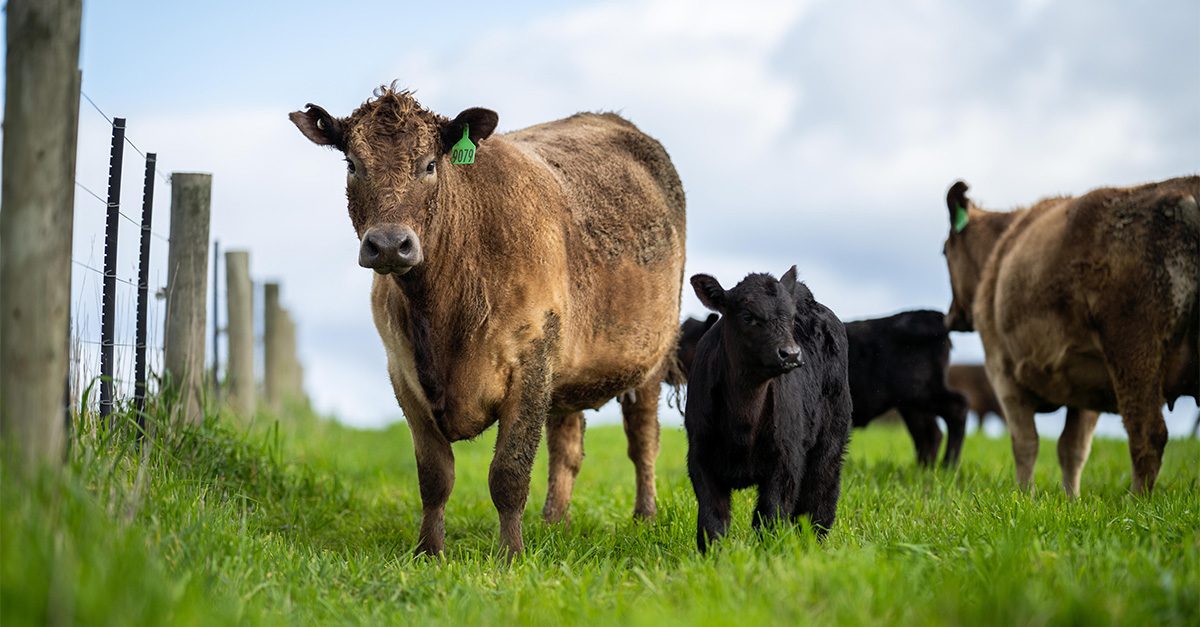
Grass-Fed Beef: Nutritional Advantages, Ecological Impact, and Livestock Welfare
Grass-fed beef has seen a notable rise in consumer demand in recent years, driven by its recognized health advantages and positive environmental footprint.
Consumer interest in grass-fed beef has grown substantially in recent years (accounting for roughly 4% of U.S. beef retail and food service sales in 2022, and 70% of Australian beef processing), fueled by its recognized nutritional benefits and contribution to environmental stewardship.
Proponents contend that grass-fed beef is leaner with higher concentrations of omega-3 fatty acids, while offering more ethical treatment of livestock. Beyond animal welfare, grass-fed production also supports ecological health, as cattle can forage on land unsuitable for crop cultivation.