The Environmental and Financial Consequences of Food Production
The problem of food waste poses significant environmental challenges, especially its role in accelerating climate change. Food decomposing in landfills releases methane and other greenhouse gases that intensify global warming. This disrupts weather patterns and ecosystems while creating serious human health hazards through air pollution and extreme weather events. From a financial perspective, inadequate food quality control generates considerable losses throughout the entire supply chain. These losses span from the earliest stages of farming through to the end consumer, eroding investment returns in production and raising costs for buyers. As a result, effective food quality control systems are vital for sustaining both profitability and competitiveness in the food processing sector.Adopting AI for Superior Food Quality Control
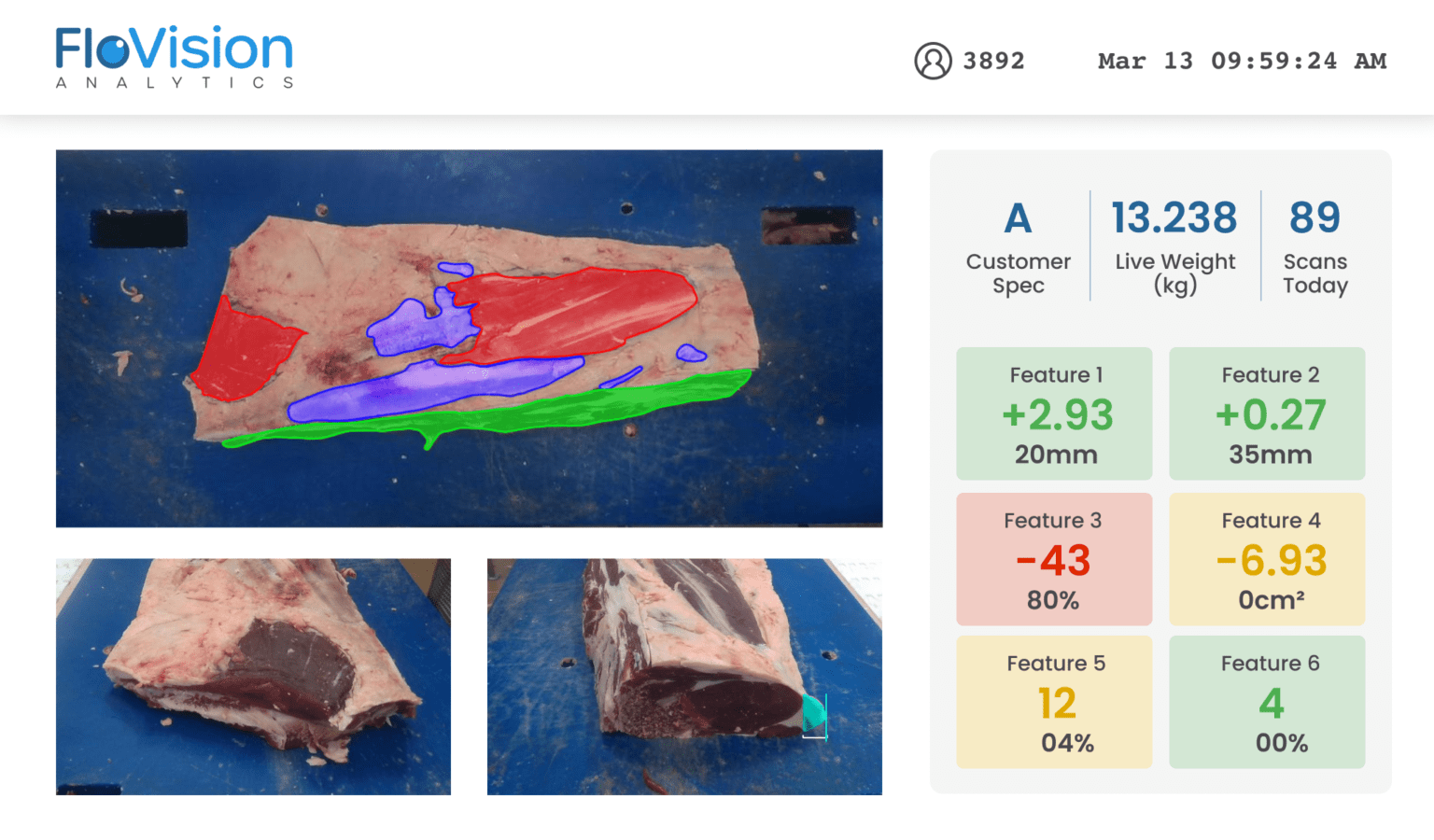
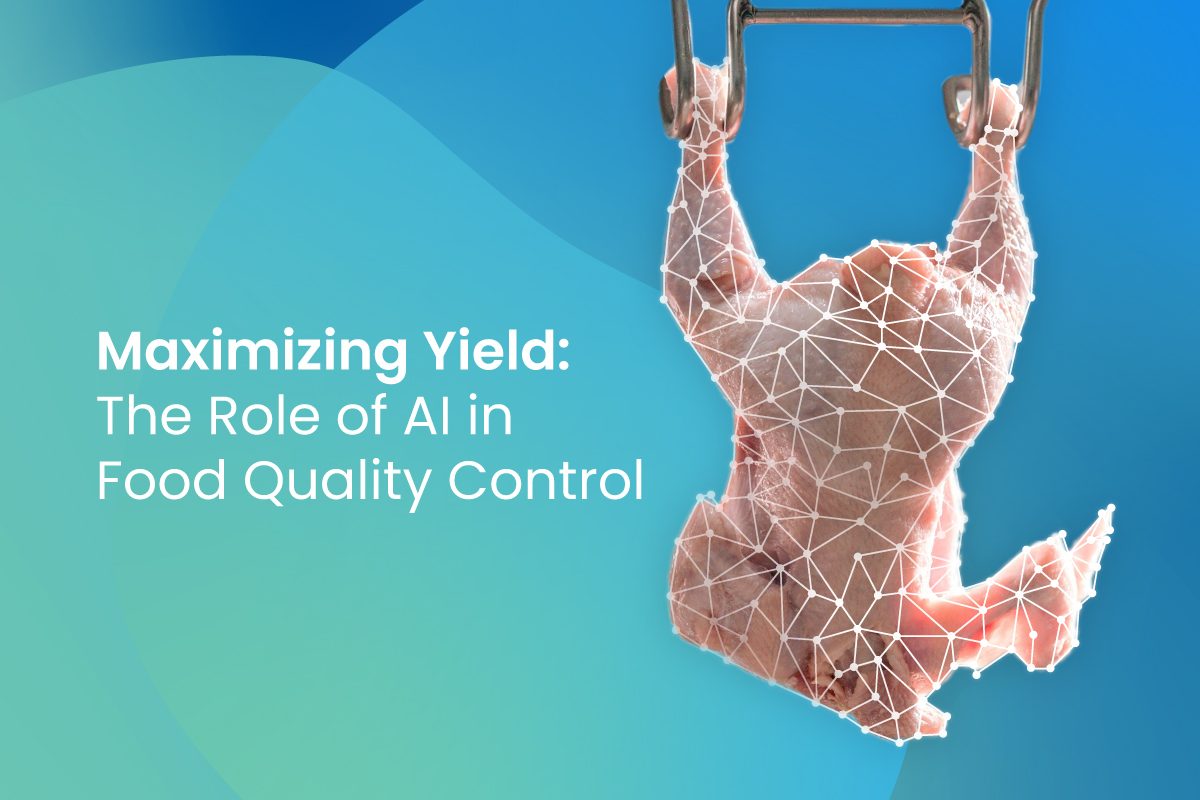
Artificial Intelligence (AI) is at the leading edge of modern approaches to combating food waste and boosting yield. AI-enabled camera systems represent a major advancement, delivering real-time monitoring, alerting, and analysis of food products. This technology allows processors to make immediate, precise adjustments to their production processes, substantially surpassing human-dependent quality control methods. Moreover, AI’s ability to process enormous volumes of data provides unmatched insights into patterns across production lines. By thoroughly tracking and assessing large-scale trends, food processors can pinpoint where waste and errors recur, along with the sourcing locations that yield the most valuable end product. Processors can then apply targeted interventions and refine product quality from sourcing through to packaging."This technology allows processors to make immediate, precise adjustments to their production processes, substantially surpassing human-dependent quality control methods."
Pioneering Sustainability and Operational Efficiency
AI technology goes beyond improving current processes—it serves as a stepping stone toward a more sustainable and efficient future in the food processing industry. By integrating AI-driven systems, companies are not merely investing in operational efficiency and profitability. They are also demonstrating a dedication to environmental stewardship and responsible production practices. For food processors, embracing AI solutions such as advanced camera systems and big data analytics represents a strategic and essential evolution. These technologies provide a pathway to satisfy growing global food demand in a manner that is both environmentally sustainable and economically viable.The Path Forward: A Vision for the Food Processing Industry
As the food processing industry continues to advance, the role of AI in strengthening food quality control grows increasingly important. By cutting waste and optimizing yield, AI technologies are instrumental in steering the industry toward a more sustainable, profitable future.
The incorporation of AI into food quality control offers a compelling opportunity for industry leaders. It’s a chance to reshape food processing norms, establishing new benchmarks for efficiency, sustainability, and environmental responsibility. As these technologies gain wider adoption, we can expect a substantial positive shift in how food is processed.
Building a More Sustainable and Efficient Food Processing Industry
AI systems serve a vital function in decreasing food waste, maximizing yield, and strengthening both the environmental and economic sustainability of the food industry. For food processors seeking to stay competitive, investigating AI solutions is a strategic imperative. Embracing these technologies represents not only an investment in enhanced efficiency and profitability but also a pledge toward environmental responsibility. Going forward, the ongoing adoption of these advanced food quality control measures will be central to shaping a more accountable and profitable industry.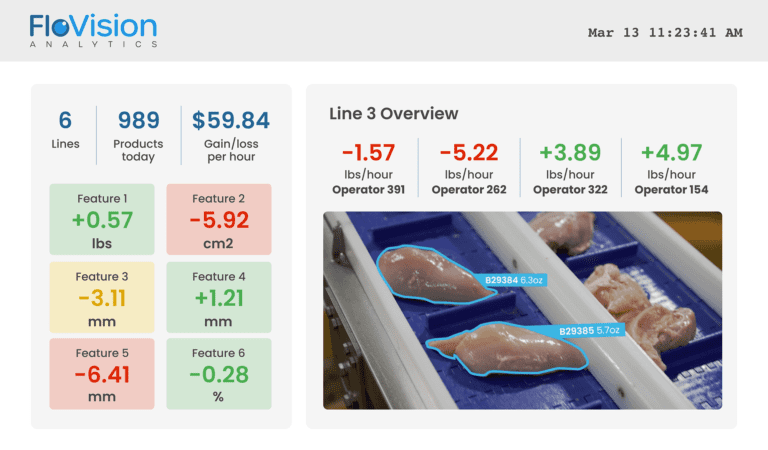
FLOVISION NANO
Compact AI sensor to measure yield and quality at production speed.