Prevalent Human Errors That Affect the Food Production Industry
The food industry depends heavily on human involvement, and that dependence carries inherent error risks. Some frequent mistakes include:
Quality Control Oversights
In the food production industry, line staff are tasked with meeting specific quality benchmarks. However, visual inspections conducted by humans can be inconsistent, resulting in variable levels of product quality. Line staff frequently miss quality benchmarks—such as incorrect meat cuts or mislabeled products. These oversights can lead to product recalls, customer dissatisfaction, and even legal consequences, particularly if a defective product reaches the consumer. Data from the FDA and USDA indicates that recalls in the United States have risen by 20% from 2020-2023.
Failure to Detect and Report Issues
Station and line managers serve a vital function in overseeing production processes. However, in the fast-paced food production environment, they may not flag quality issues or production protocol deviations. This can result from high production volumes or a lack of real-time data and feedback. Inefficient issue reporting leads to extended periods of substandard production quality, ultimately impacting the bottom line.
Manual Data Entry and Record-Keeping Errors
Inaccurate record-keeping is another widespread error in the food production industry. When data related to production output, inventory levels, or quality checks is entered manually, the likelihood of errors rises. These inaccuracies can result in compliance issues, ineffective inventory management, and potential recalls. Such errors may also create delays in production schedules, undermining the facility’s overall efficiency.
When data related to production output, inventory levels, or quality checks is entered manually, the likelihood of errors rises. These inaccuracies can result in compliance issues, ineffective inventory management, and potential recalls.
The Hidden Costs of Human Errors in the Food Production Industry
Human errors in food production carry a significant price that goes well beyond immediate financial loss.
Economic Impact
Errors such as incorrect cuts, improper sorting, or missed labels generate product waste, rework, and sometimes recalls—all of which impose varying costs on the company. The requirement to pay overtime for corrective and recovery operations further drives up labor costs. In a competitive market, these added expenses can rapidly become a financial strain. Errors that trigger foodborne illness outbreaks can lead to substantial financial penalties and settlements, sometimes reaching hundreds of millions of dollars.
Reputation and Brand Image
The food production industry is fiercely competitive, and reputation is paramount. Inconsistent product quality can generate customer dissatisfaction and erode brand trust. Negative reviews, social media backlash, or media coverage following severe quality issues or a recall can significantly damage a brand’s reputation, potentially causing long-term effects on sales and growth.
Operational Efficiency
When mistakes arise, time and resources shift from production to correction. This not only impacts the current batch but can also disrupt the entire supply chain, delaying customer deliveries and creating stock shortages.
Proven Strategies to Reduce Human Errors in the Food Production Industry
Addressing human errors is essential for sustaining quality and efficiency in the food industry. Here are several proven strategies:
Training and Ongoing Education
Among the most effective strategies for reducing errors is investing in regular training programs for line staff and managers. Training should emphasize quality benchmarks, correct production techniques, and recognizing potential errors. With advances in technology, companies in the food production industry can also employ augmented reality tools to simulate real-world scenarios, strengthening learning and retention.

Deploying Real-Time Monitoring Systems
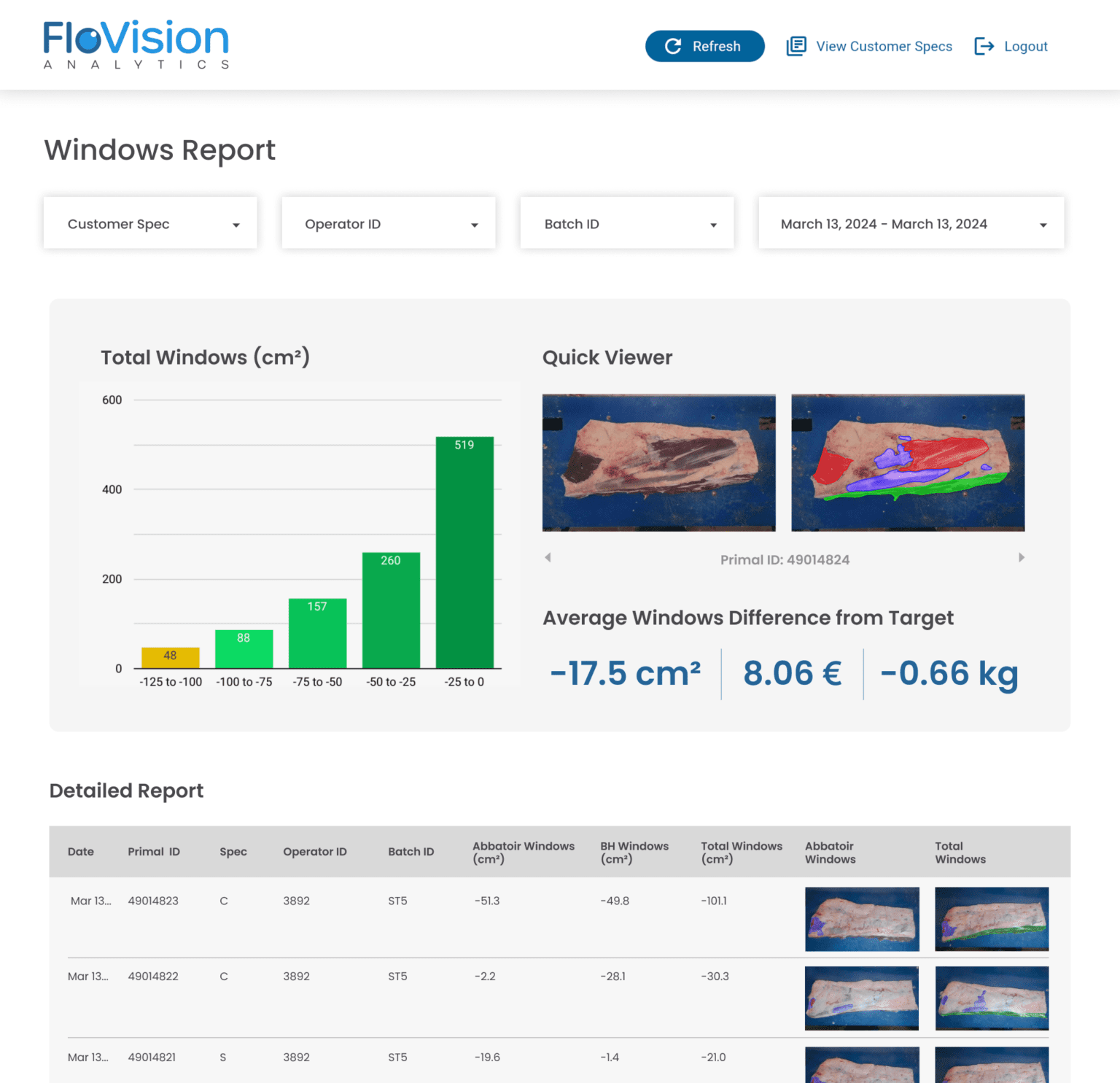
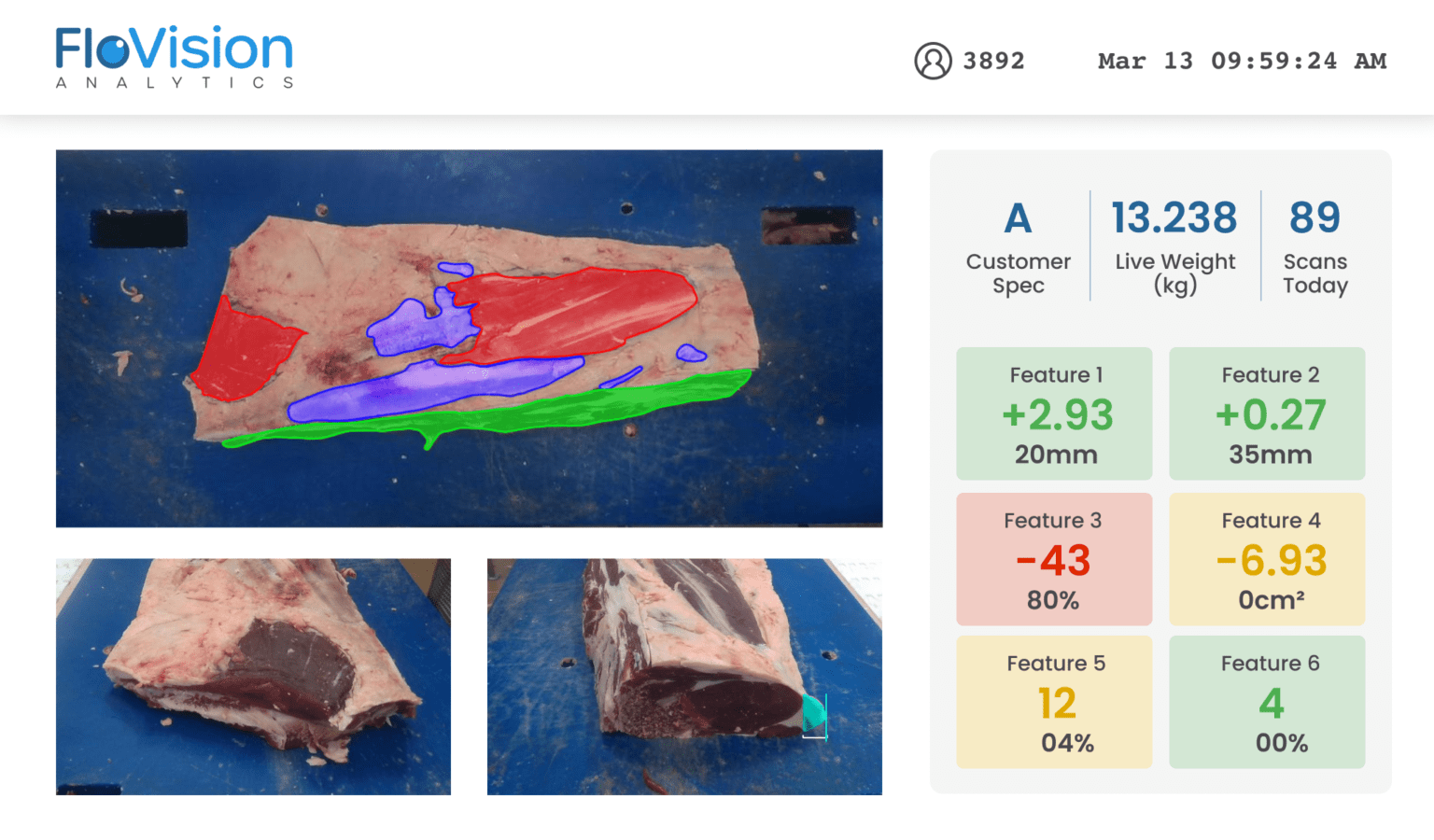
Real-time monitoring systems are vital for minimizing human errors in food production. Systems such as FloVision Nano deliver automated visual inspections, substantially reducing reliance on human oversight. Real-time data analytics provided by such systems help detect trends and recurring issues, enabling managers to address them quickly and prevent future errors.
Standardizing Operating Procedures
Standardizing operating procedures guarantees consistency throughout the production process. Developing checklists and workflows can help reduce variances in product quality caused by human errors. Regular audits and evaluations can also be performed to verify that these standards are upheld, adding another layer of error prevention in the food production industry.
Embracing Data-Driven Decision Making
In the food production industry, data-driven decision-making is fundamental to minimizing errors. By integrating AI and machine learning, companies can anticipate potential human errors and intervene before they happen. For instance, FloVision Pro helps deliver real-time feedback to staff, preventing waste and errors that compromise product quality.
By reducing waste and optimizing resource usage, AI and computer vision help decrease greenhouse gas emissions, supporting global efforts to address climate change. This convergence of food technology and quality control with environmental sustainability underscores the transformative potential of these tools.
Among the most effective strategies for reducing human errors is investing in regular training programs for line staff and managers. Training should emphasize quality benchmarks, correct production techniques, and recognizing potential errors.
Emerging Trends and Innovations for Reducing Human Errors in the Food Production Industry
The food industry is advancing, and so are the technologies designed to minimize human errors. Some emerging trends include:
The Growth of Collaborative Robots (Cobots)
Collaborative robots, or cobots, are being increasingly integrated into the food industry to assist human workers. Cobots can manage repetitive tasks susceptible to human error, including sorting, packaging, and palletizing. By assuming these tasks, cobots not only improve precision but also reduce repetitive strain injuries among human workers. Food producers are capitalizing on these cobots – globally, robots installed in the food and beverage industry grew by 12% from 2016-2021.
Advanced Vision Systems and AI
Progress in computer vision and AI continues to reshape the food production industry. Future developments are centered on detecting errors before they happen, rather than merely after the fact. Predictive algorithms could deliver pre-emptive warnings, further lowering the risk of errors.
Predictive Maintenance and Error Prevention
Predictive maintenance, powered by IoT and AI, is becoming an essential component of the food production industry. By forecasting machinery failures before they occur, companies can avert situations that could trigger human errors. This proactive approach supports operational efficiency and reduces downtime.
Human Errors in the Food Production Industry
Human errors in the food production industry are unavoidable but controllable. By understanding common mistakes, acknowledging their costs, and deploying effective strategies, companies can minimize these errors and elevate overall production quality. Utilizing advanced technologies such as FloVision Pro and FloVision Nano can substantially reduce reliance on human oversight, offering a robust solution for maintaining consistency and quality. The future of the food industry rests on embracing these innovations to ensure a safer, more efficient, and more dependable production process.
By taking a proactive approach to error reduction, the food production industry can not only strengthen its operational efficiency but also protect its reputation and profitability over the long term.
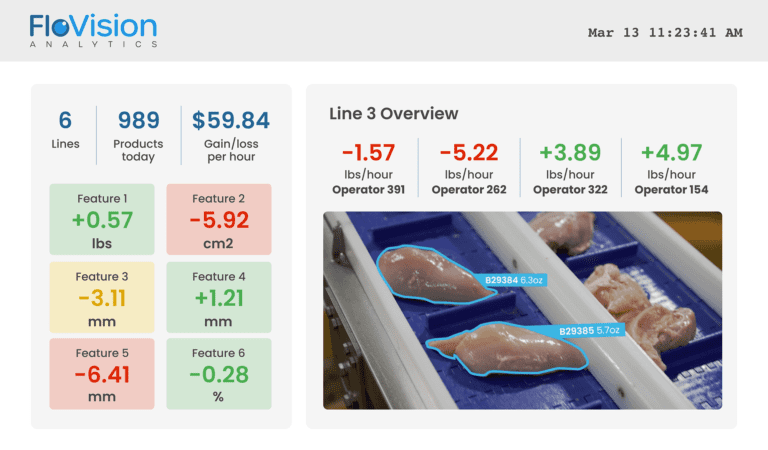
FLOVISION NANO
Compact AI sensor to measure yield and quality at production speed.